 Skip to content


A garbage disposal makes kitchen cleanup faster, but it can also be the source of an unpleasant odor around the sink. When a garbage disposal smells bad, the cause usually comes down to what goes into the unit and how it is used over time. Knowing where the odor comes from makes it easier to deal with. We cover the most common causes, a simple cleaning method, everyday habits that help, and signs that the problem may need professional plumbing repair.
Where Odors Build Up in a Garbage Disposal
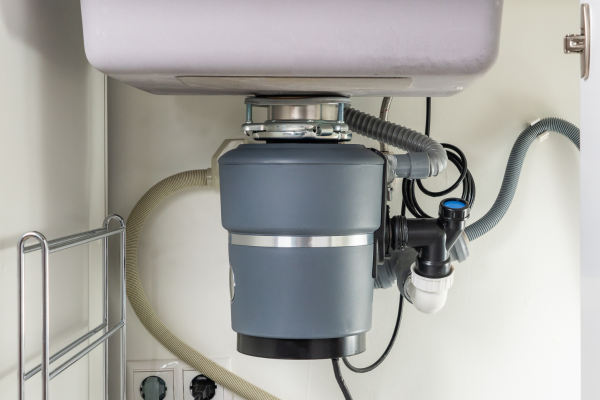
A garbage disposal is mounted beneath the kitchen sink and connects to the drain line. Food enters through the sink opening and passes through a rubber splash guard. It then lands in the grinding chamber, where a spinning plate pushes it against a stationary grind ring. Water carries the ground particles out through the discharge pipe, into the P-trap, and down the drain.
Each of these areas has surfaces where residue can collect. The splash guard, the chamber walls, and the curved pipe under the sink all stay damp. Moisture combined with food waste lets bacteria grow, and most disposal odors start in one or more of these spots.
Common Garbage Disposal Odor Causes
If you’ve wondered, “Why does my garbage disposal smell?”, the answer usually falls into one of the following categories.
Food Residue in the Grinding Chamber
Even when a disposal seems to be working normally, small bits of food can stick to the grinding plate, the grind ring, and the inner walls of the chamber. Over several days, this residue begins to decompose. Protein-heavy scraps such as meat and dairy tend to produce stronger odors as they break down.
Buildup Under the Splash Guard
The rubber flaps at the top of the disposal keep food and water from spraying back into the sink. Their underside is rarely seen and rarely cleaned, so it collects a film of grease and food particles. Because this area sits right at the sink opening, its odor is often the first one people notice.
Grease and Fat
Cooking grease, oils, and fats are liquid when warm but solidify as they cool. Inside a disposal and the pipes below it, hardened grease forms a sticky coating that traps other debris. That buildup holds odor and can gradually narrow the path water uses to drain.
Partial Clogs in the Drain Line
When waste does not fully clear the disposal and the pipes beneath it, water and food particles can sit in the line between uses. A sink that drains more slowly than usual is a common sign of this. Sometimes the drainage issue extends further into the home’s plumbing, and sewer line problems can also cause foul smells near fixtures.
Infrequent Use
A disposal that sits unused for long periods can develop odors from residue left inside, for example during a vacation or in a kitchen that rarely sees cooking. Moisture stays in the unit, and without regular flushing, whatever is left behind has time to break down.
Everyday Habits to Get Rid of Garbage Disposal Smell
Cleaning removes existing buildup. A few daily habits help get rid of garbage disposal smell before it comes back:
- Run cold water before, during, and for several seconds after each use. Cold water keeps grease solid so it is ground up and carried away rather than coating the pipes.
- Feed food waste in gradually instead of all at once.
- Keep grease, oils, and fats out of the disposal entirely. Collect them in a container and throw them in the trash.
- Avoid fibrous scraps like celery and corn husks, and starchy foods like potato peels, pasta, and rice. These can wrap around parts or form a paste.
- Run the disposal regularly, even briefly, so residue doesn’t sit.
Adding the disposal to a regular home maintenance checklist can make these habits easier to keep up with.
When the Smell Points to Something More
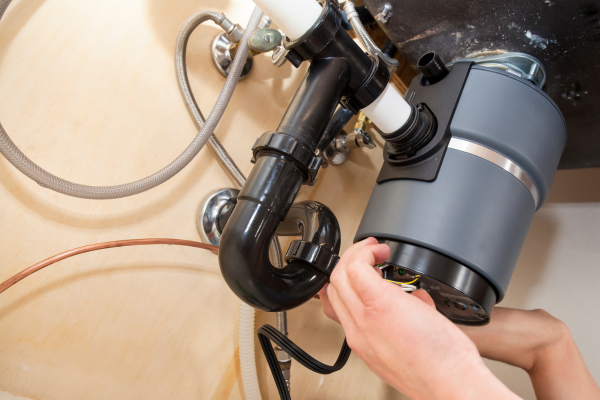
If odors return shortly after a thorough cleaning, the source may lie beyond the disposal itself. Other signs worth a closer look include:
- Water draining slowly or backing up into the sink
- Moisture or drips under the sink, which can come from loose connections, worn seals, or pipe strain related to high water pressure
- A humming sound with no grinding, or a unit that will not turn on
- A disposal that needs frequent resets to keep running
These symptoms have several possible causes. A plumber can inspect the disposal and the connected plumbing to find out what is going on.
Contact Stack Heating, Cooling, Plumbing & Electric
If your garbage disposal continues to smell or shows signs of a problem, Stack Heating, Cooling, Plumbing & Electric can help. Stack provides garbage disposal repair, garbage disposal maintenance and cleaning, and drain cleaning as part of its plumbing services. These services are available to homeowners throughout Lorain, Cuyahoga, Medina, Erie, and Sandusky counties. Call (440) 937-9134 or contact Stack online to schedule service.
Common FAQS About Garbage Disposal Smells
1. Why does my garbage disposal smell even when it seems to be working?
A disposal can grind and drain normally and still hold odor-causing residue. Small bits of food stick to the grinding plate, the chamber walls, and the underside of the splash guard, where they decompose over time. The damp conditions inside the unit let bacteria grow, which produces the smell.
2. Can grease cause a garbage disposal to smell?
Yes. Cooking grease, oils, and fats solidify as they cool and coat the inside of the disposal and the pipes below it. This sticky layer traps food particles and holds odor. Over time, it can also narrow the drain path and slow water flow.
3. How do you clean a smelly garbage disposal?
First, turn off power to the unit and never place your hands inside the chamber. Then scrub the splash guard with warm, soapy water. Next, grind ice and coarse salt with cold water running. Pour in baking soda followed by white vinegar, let it fizz, and rinse with hot water. Finish by running the disposal with cold water to flush out loosened debris.
4. Does ice and salt really clean a garbage disposal?
Ice and coarse salt work as a mild scrubbing mixture. As the disposal runs, they knock residue loose from the grinding plate and chamber walls. The loosened debris is then carried away when cold water flushes the unit.
5. Is it safe to use baking soda and vinegar in a garbage disposal?
Baking soda and white vinegar are common household options for cleaning a disposal. Pour about half a cup of baking soda into the drain with the unit off, then add a cup of vinegar. Let the mixture fizz for several minutes, then rinse it through with hot tap water.
6. Are citrus peels good for freshening a garbage disposal?
A few small pieces of lemon, lime, or orange peel ground with cold water running can leave a fresher scent. Use only a small amount at a time, since large quantities of peel are harder for the unit to process.
7. Should you run hot or cold water with a garbage disposal?
Cold water is recommended while the disposal is running. It keeps any grease solid, so the grease gets ground up and carried away instead of melting and coating the pipes. Run cold water before, during, and for several seconds after each use.
8. What foods should not go in a garbage disposal?
Grease, oils, and fats should be kept out entirely. Fibrous scraps such as celery and corn husks can wrap around internal parts. Starchy foods such as potato peels, pasta, and rice can form a thick paste that clings to the unit and the drain.
9. Can a garbage disposal smell if it isn’t used often?
Yes. When a disposal sits unused for long periods, moisture and leftover residue stay inside the unit without being flushed away. Running the disposal regularly, even briefly, helps keep residue from sitting long enough to break down.
10. What does it mean if the smell comes back after cleaning?
Odor that returns soon after a thorough cleaning may come from somewhere beyond the disposal, such as a partial clog in the drain line. It may also appear alongside slow draining, moisture under the sink, or a unit that hums without grinding. A plumber can inspect the disposal and the connected plumbing to find the cause.

Stack Heating, Cooling, Plumbing & Electric has been serving Northeast Ohio since 1976. What began as a family business specializing in steam and hot-water heating has grown into a trusted provider of complete home comfort solutions, including HVAC, plumbing, and electrical services. With decades of expertise and a commitment to quality, Stack is dedicated to keeping local homes safe, efficient, and comfortable year-round.
