 Skip to content


Water pressure is something most homeowners rarely think about until a plumbing problem develops. Strong water flow in the shower or at the kitchen sink often feels convenient, but water pressure that is too high can place unnecessary stress on a home’s plumbing system over time.
Many homeowners ask, is high water pressure bad, especially if everything appears to be working normally. The answer is that excessive water pressure can contribute to wear on plumbing components, appliances, and fixtures. Because the effects often develop gradually, homeowners may not realize there is a problem until leaks or other plumbing issues appear.
Understanding the effects of high water pressure on pipes, recognizing the signs of high water pressure, and learning how to tell if water pressure is too high can help homeowners identify potential concerns before more significant plumbing problems develop.
What Is Considered High Water Pressure?
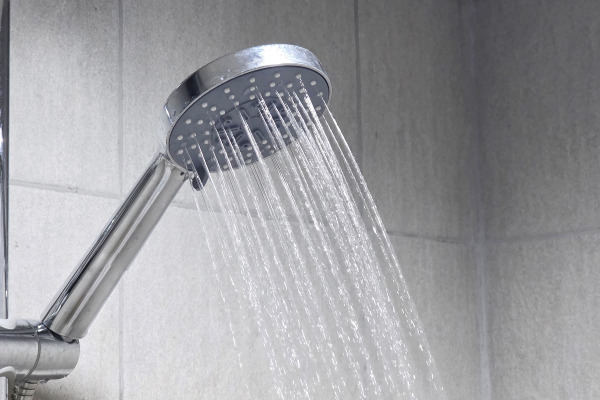 Water pressure measures the force that pushes water through your home’s plumbing system. Every plumbing system needs enough pressure to deliver water efficiently to fixtures and appliances, but excessive pressure can place additional stress on pipes and plumbing connections.
Water pressure may vary depending on factors such as:
- Municipal water supply
- Elevation
- Pressure regulating equipment
- Plumbing system design
- Household water demand
If pressure becomes consistently higher than recommended levels, it may contribute to gradual plumbing wear.
Is High Water Pressure Bad?
Many homeowners assume stronger water pressure is always better.
However, high water pressure damage may occur because plumbing systems are designed to operate within a certain pressure range. When water consistently moves through pipes with excessive force, the additional stress may affect multiple components throughout the plumbing system.
The effects of high water pressure on pipes often develop slowly rather than all at once, making the problem difficult to recognize without a professional inspection.
Signs of High Water Pressure
Several signs of high water pressure may indicate that your plumbing system should be evaluated.
While one symptom alone does not necessarily confirm excessive pressure, multiple warning signs may justify further inspection.
Banging or Noisy Pipes
If you hear loud banging noises after turning off a faucet or appliance, the plumbing system may be experiencing water hammer or pressure-related issues.
Although several plumbing conditions can cause pipe noise, excessive water pressure is one possible contributing factor.
Dripping Faucets
A faucet that continues dripping after repairs may indicate that internal components are wearing more quickly than expected.
Constant high water pressure can place additional strain on faucet cartridges, seals, and valves, potentially shortening their service life.
Running Toilets
Toilet components may also experience additional wear when subjected to excessive pressure.
If a toilet continues running after common repairs have been completed, a plumber may evaluate whether water pressure is contributing to the problem.
Appliance Wear
Several household appliances depend on the home’s plumbing system, including:
- Dishwashers
- Washing machines
- Refrigerators with water dispensers
- Water heaters
Over time, excessive pressure may place additional stress on valves, hoses, fittings, and internal plumbing components within these appliances.
Small Plumbing Leaks
One of the more subtle forms of high water pressure damage involves small leaks.
High pressure may gradually stress:
- Pipe joints
- Supply lines
- Shut-off valves
- Flexible connectors
- Plumbing fittings
Minor leaks often begin slowly before becoming more noticeable.
Frequent Plumbing Repairs
If plumbing fixtures throughout the home seem to require repairs more often than expected, excessive water pressure may be one factor worth investigating.
Recurring problems involving faucets, toilets, valves, or supply lines do not automatically indicate high pressure, but they may justify a professional evaluation.
What Causes High Water Pressure?
Several factors may contribute to elevated water pressure.
Common causes include:
- Municipal water supply pressure
- Malfunctioning pressure reducing valves
- Changes in local water systems
- Plumbing modifications
- Elevation differences
Because the cause is not always obvious, professional diagnosis is often recommended before corrective action is taken.
Can Water Pressure Be Adjusted?
In some homes, water pressure can be regulated using equipment designed for that purpose.
Whether adjustments are appropriate depends on factors such as:
- Existing plumbing system
- Pressure regulator condition
- Municipal water supply
- Overall plumbing configuration
A licensed plumber can determine whether the home’s pressure falls within an acceptable range and whether adjustments are appropriate.
Why Routine Plumbing Inspections Matter
 Regular plumbing inspections can identify developing issues before they become larger repairs.
During an inspection, a plumber may evaluate:
- Water pressure
- Pipe condition
- Visible leaks
- Plumbing connections
- Shut-off valves
- Fixture performance
These inspections provide valuable information about the overall condition of the home’s plumbing system.
Trust Stack Heating, Cooling, Plumbing & Electric
At Stack Heating, Cooling, Plumbing & Electric, we understand that plumbing issues are not always immediately visible. If you have concerns about high water pressure damage, are noticing signs of high water pressure, or are wondering how to tell if water pressure is too high, our experienced plumbing professionals can evaluate your system and help identify potential concerns.
If you have questions about your home’s plumbing system or would like a professional evaluation, contact Stack Heating, Cooling, Plumbing & Electric at (440) 937-9134 or visit us to learn more about their plumbing services.
Frequently Asked Questions
1. How can I tell if my home’s water pressure is too high?
One of the best ways to determine how to tell if water pressure is too high is through professional testing. While strong water flow may seem normal, recurring plumbing leaks, noisy pipes, dripping faucets, or frequent fixture repairs can all indicate that water pressure should be evaluated by a licensed plumber.
2. Is high water pressure bad for household plumbing?
Yes, high water pressure can place additional stress on pipes, fittings, valves, and plumbing fixtures over time. Although problems may not appear immediately, prolonged excessive pressure may contribute to gradual wear throughout the plumbing system and increase the likelihood of future repairs.
3. What are the most common signs of high water pressure?
Common signs of high water pressure include banging pipes, dripping faucets, running toilets, frequent plumbing leaks, worn appliance hoses, and recurring plumbing repairs. These symptoms may have other causes as well, so a professional inspection is often the best way to identify the source of the problem.
4. Can high water pressure damage appliances?
Yes, excessive water pressure may affect appliances connected to your plumbing system. Washing machines, dishwashers, refrigerators with water dispensers, and water heaters all contain valves and plumbing connections that can experience additional wear if water pressure remains consistently higher than recommended.
5. Why do my pipes make banging noises when I turn off the water?
Banging sounds may be caused by a plumbing condition known as water hammer, which can occur when water flow stops suddenly. Although several plumbing issues can contribute to pipe noise, excessive water pressure is one possible factor that should be evaluated during a professional plumbing inspection.
6. Can high water pressure cause hidden plumbing leaks?
Yes, high water pressure damage can sometimes contribute to small leaks that develop inside walls, ceilings, or other concealed areas. Constant stress on pipe joints, fittings, and supply lines may gradually weaken plumbing connections before visible signs of leakage appear.
7. Does every home have a pressure-reducing valve?
No, not every home has a pressure-reducing valve, and not every plumbing system requires one. Whether a pressure regulator is present often depends on local water supply conditions and the home’s plumbing design. A licensed plumber can determine whether your home has one and whether it is operating properly.
8. Can water pressure change over time?
Yes, water pressure may change due to municipal water system adjustments, changes in plumbing equipment, aging pressure regulators, or modifications to the home’s plumbing system. Because these changes often occur gradually, homeowners may not notice them until plumbing issues begin to develop.
9. Should I test my home’s water pressure if I have recurring plumbing problems?
Generally, yes. If you experience recurring leaks, dripping faucets, appliance hose failures, or other plumbing concerns, checking the water pressure may help determine whether excessive pressure is contributing to the problem. Professional testing provides a more accurate assessment than relying on water flow alone.
10. What should I do if I suspect high water pressure is affecting my plumbing?
If you suspect the effects of high water pressure on pipes are affecting your home, it is generally advisable to schedule a professional plumbing evaluation. A licensed plumber can measure the water pressure, inspect the plumbing system for signs of wear, and determine whether any corrective action may be appropriate.

Stack Heating, Cooling, Plumbing & Electric has been serving Northeast Ohio since 1976. What began as a family business specializing in steam and hot-water heating has grown into a trusted provider of complete home comfort solutions, including HVAC, plumbing, and electrical services. With decades of expertise and a commitment to quality, Stack is dedicated to keeping local homes safe, efficient, and comfortable year-round.
