 Skip to content


As temperatures begin to fall in Northeast Ohio, October is a practical time for homeowners to make sure their heating systems are ready for regular use. A furnace may have remained largely inactive during the warmer months, so checking its condition before colder weather arrives can help identify maintenance needs and potential problems.
A professional furnace tune-up is designed to evaluate important components of the heating system, confirm that the furnace is operating properly, and address routine maintenance needs. However, not every HVAC company follows exactly the same checklist. The specific tasks performed can depend on the furnace, its condition, and the maintenance procedures used by the HVAC contractor.
Knowing what generally happens during an appointment can help homeowners understand what technicians are evaluating and why those checks matter.
 What Is a Furnace Tune-Up?
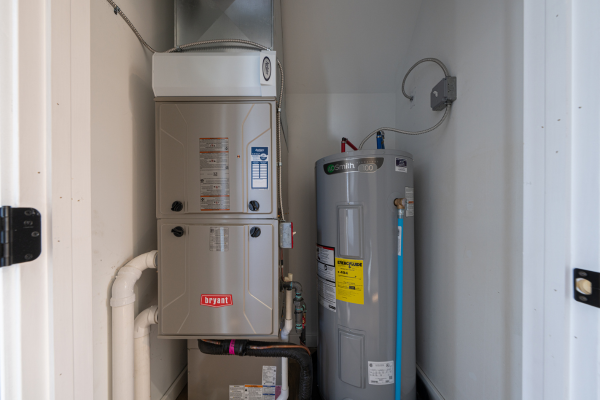 What Is a Furnace Tune-Up?
A furnace tune-up is a preventive maintenance appointment focused on inspecting and testing the heating system. The technician evaluates components that affect operation, safety, airflow, and heating performance.
Maintenance is different from repair. A tune-up is intended to inspect and maintain equipment that is operating, while a repair addresses a specific malfunction or failed component. If a technician discovers a problem during maintenance, additional diagnosis or repair may be recommended.
Because furnace models and heating systems differ, homeowners should ask their HVAC contractor what is included in the maintenance appointment.
Thermostat Operation Is Checked
The thermostat controls when the heating system starts and stops, making it an important part of furnace operation.
During a furnace tune-up, a technician may check thermostat settings and confirm that the furnace responds appropriately when the temperature setting changes. If the thermostat is not communicating correctly with the heating system, the furnace may cycle incorrectly or fail to maintain the desired indoor temperature.
Thermostat problems can sometimes resemble furnace problems, which is why checking this component is an important part of evaluating the heating system.
Electrical Components Are Inspected
Modern furnaces rely on electrical components for normal operation, even when natural gas supplies the heat.
A technician may inspect electrical connections and components for visible signs of wear or other concerns. Connections may also be checked to determine whether they are secure.
Electrical problems can interfere with ignition, blower operation, controls, and other furnace functions. Identifying developing electrical concerns during maintenance may help prevent unexpected operating problems later.
Moving Components May Require Lubrication
Some furnace components contain moving parts that require proper lubrication.
Where applicable to the equipment, technicians may inspect these components and lubricate them according to manufacturer recommendations. Proper lubrication helps reduce unnecessary friction and wear.
Not every modern furnace has the same lubrication requirements, so this step depends on the specific equipment being serviced.
The Blower System Is Evaluated
The blower moves heated air through the ductwork and into the living areas of the home. Its condition directly affects airflow and comfort.
During a furnace tune-up, the technician may inspect the blower assembly and look for dirt or debris that could interfere with operation. If cleaning is appropriate, the technician can determine what maintenance is needed.
Restricted airflow can affect heating performance, so blower operation is an important part of a comprehensive furnace evaluation.
Burners and Ignition Components Are Checked
Gas furnaces rely on burners and an ignition system to produce heat.
During maintenance, these components may be inspected to confirm that the furnace starts and operates correctly. Dirt or other problems around the burners can interfere with proper operation, and ignition components can experience wear over time.
If cleaning or additional service is needed, the technician can identify the appropriate next step based on the condition of the system.
The Heat Exchanger Deserves Careful Attention
The heat exchanger is one of the most important components in a gas furnace. It transfers heat generated by combustion to the air that circulates through the home while keeping combustion gases separated from indoor air.
A furnace tune-up may include inspecting accessible portions of the heat exchanger for visible deterioration or other concerns.
Because heat exchanger problems can have safety implications, suspected damage should be evaluated by a qualified HVAC professional rather than handled as a do-it-yourself repair.
Venting and Flue Components Are Inspected
Gas furnaces need an appropriate method of venting combustion gases outside the home.
Depending on the furnace and venting configuration, a technician may inspect accessible venting or flue components for signs of deterioration, improper connections, or other visible concerns.
Proper venting is an important part of safe furnace operation. If the technician identifies a concern, further evaluation may be recommended before regular heating operation continues.
Gas Connections May Be Evaluated
For gas-fired furnaces, accessible gas connections and related components may be inspected as part of routine maintenance.
Homeowners should not attempt to modify gas lines or furnace gas components themselves. If a gas odor is present or a gas-related problem is suspected, the situation should be treated seriously and appropriate professional assistance should be contacted.
The Furnace’s Operating Cycle Is Tested
Inspection alone does not provide a complete picture of furnace performance. The heating system also needs to operate correctly through its normal cycle.
During a furnace tune-up, a technician may run the furnace and observe whether it:
- Starts properly
- Produces heat
- Operates through the heating cycle
- Moves air appropriately
- Responds to the thermostat
- Shuts down normally
This operational check can reveal concerns that may not be obvious when the equipment is turned off.
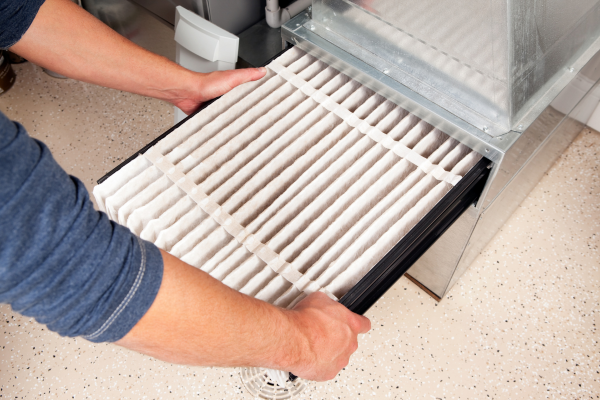
The Air Filter Is Checked
The furnace filter plays an important role in airflow and helps capture airborne particles before they enter the HVAC equipment.
A dirty filter can restrict airflow and make it more difficult for the system to move heated air throughout the home. During maintenance, the filter may be inspected and changed when appropriate.
Homeowners should also check filters between professional maintenance visits. The appropriate replacement schedule depends on the filter type, household conditions, system usage, and manufacturer recommendations rather than one universal monthly schedule.
What About the Condensate Drain?
Some high-efficiency furnaces produce condensate during normal heating operation and rely on drainage components to remove that moisture.
For systems equipped with condensate drainage, a technician may inspect the relevant components for restrictions or other concerns. Drainage problems can interfere with furnace operation and may lead to unwanted moisture around the equipment.
Whether this inspection applies depends on the type of furnace installed in the home.
A Tune-Up Can Identify Developing Problems
One important purpose of preventive maintenance is identifying concerns before they become more disruptive.
During an inspection, a technician may notice worn components, unusual operation, airflow concerns, ignition problems, or other conditions that deserve further attention.
A furnace tune-up does not guarantee that a furnace will operate without problems throughout the winter. Mechanical equipment can still experience unexpected failures. However, maintenance provides an opportunity to evaluate the system’s current condition before sustained cold-weather operation begins.
Why Schedule Furnace Maintenance in October?
 Why Schedule Furnace Maintenance in October?
October is a useful time for furnace maintenance in Northeast Ohio because heating systems are beginning to return to regular operation. Homeowners can observe how the furnace performs while preparing for colder temperatures later in fall and winter.
Scheduling a furnace tune-up during this period can help identify whether the system needs routine maintenance or further professional attention before heating demand increases.
Homeowners should also pay attention after the furnace begins running regularly. Unusual noises, unexpected shutdowns, inconsistent temperatures, or other changes in operation should not be ignored simply because maintenance was recently completed.
Prepare Your Furnace for Northeast Ohio’s Heating Season
A professional furnace tune-up gives homeowners an opportunity to have important heating components inspected before colder weather becomes routine. While the exact maintenance checklist can vary by furnace and contractor, thermostat operation, electrical components, airflow, burners, ignition, venting, filters, and overall system operation are among the areas that may be evaluated.
If you would like to have your heating system checked before winter, contact Stack Heating, Cooling, Plumbing & Electric at (440) 937-9134. Their HVAC team can provide furnace maintenance and help you better understand the condition and operation of your home’s heating system.
Frequently Asked Questions
1. What does a furnace tune-up usually include?
A furnace tune-up generally includes checking thermostat operation, electrical components, airflow, burners, ignition components, filters, and overall system performance. Depending on the furnace, the technician may also inspect venting, condensate drainage, and other accessible components. The exact checklist can vary by equipment and HVAC contractor.
2. How is a furnace tune-up different from a furnace repair?
A furnace tune-up is preventive maintenance, while a repair addresses a specific malfunction or failed component. During a tune-up, a technician evaluates how the system is operating and looks for developing concerns. If a problem is found, additional diagnosis or repair may be recommended.
3. Why is October a good time to schedule furnace maintenance?
October is a practical time to schedule a furnace tune-up because heating systems are beginning to run more regularly before winter demand increases. This allows homeowners to identify maintenance needs or operating concerns before colder weather becomes more consistent.
4. Will a furnace tune-up include checking the thermostat?
Yes, thermostat operation is commonly checked during furnace maintenance. A technician may confirm that the furnace responds correctly to temperature changes and that the thermostat is communicating properly with the heating system.
5. Does a furnace tune-up include inspecting the heat exchanger?
A technician may inspect accessible portions of the heat exchanger for visible signs of deterioration or damage. Because heat exchanger concerns can have safety implications, suspected problems should be evaluated by a qualified HVAC professional.
6. Should the furnace filter be changed during a tune-up?
The filter may be inspected and changed if needed during a furnace tune-up. How often a filter should be replaced depends on the filter type, household conditions, system usage, and manufacturer recommendations rather than one schedule that applies to every home.
7. Are burners and ignition components checked during furnace maintenance?
Yes, burners and ignition components are commonly evaluated to confirm that the furnace starts and operates properly. If dirt, wear, or another issue is present, the technician can determine whether cleaning or additional service is appropriate.
8. Can a furnace tune-up identify problems before winter?
A tune-up can help identify developing concerns such as worn components, airflow problems, ignition issues, or unusual system operation. It cannot guarantee that no future breakdown will occur, but it provides a useful opportunity to evaluate the furnace before sustained winter use.
9. Do all furnaces have a condensate drain that needs inspection?
No. Condensate drainage is most relevant to certain high-efficiency furnaces that produce moisture during normal operation. If the system includes condensate components, a technician may inspect them for restrictions or other drainage concerns.
10. What should I do if my furnace still has problems after a tune-up?
If the furnace begins making unusual noises, shuts down unexpectedly, heats unevenly, or shows other changes after maintenance, contact an HVAC professional for further evaluation. A furnace tune-up is maintenance, so a separate repair may still be needed if a component later develops a problem.

Stack Heating, Cooling, Plumbing & Electric has been serving Northeast Ohio since 1976. What began as a family business specializing in steam and hot-water heating has grown into a trusted provider of complete home comfort solutions, including HVAC, plumbing, and electrical services. With decades of expertise and a commitment to quality, Stack is dedicated to keeping local homes safe, efficient, and comfortable year-round.
