 Skip to content


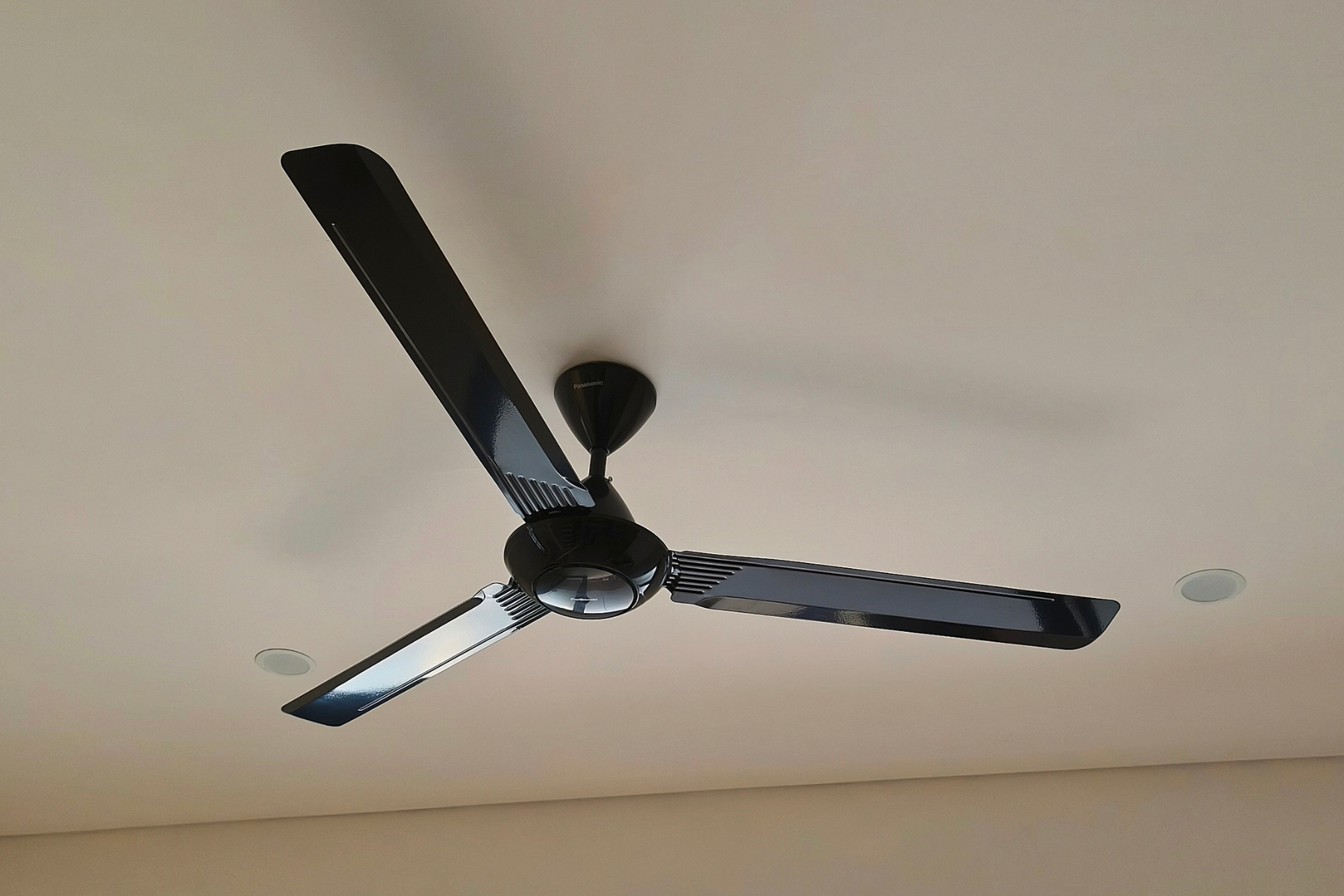
Ceiling fans are one of the most popular home upgrades for improving comfort, airflow, and energy efficiency. They’re practical, relatively affordable, and can enhance both the function and appearance of a room. Because they may look similar to light fixtures, some homeowners assume installing a ceiling fan is a simple DIY task.
However, ceiling fan installation involves more than mounting a decorative fixture and connecting a few wires. It requires proper electrical support, secure structural mounting, and code-compliant wiring. Hiring a licensed electrician ensures the job is done safely, correctly, and built to last. If you’re considering adding or replacing a ceiling fan, here’s why professional installation matters.
Ceiling Fans Are Heavier and More Complex Than Light Fixtures
At first glance, replacing a light fixture with a ceiling fan may seem straightforward. Both attach to the ceiling and connect to existing wiring. But the similarities stop there.
Ceiling fans:
- Are significantly heavier than most light fixtures
- Have moving components that create vibration
- Require special electrical boxes rated for fan support
- May require separate wiring for fan and light controls
Standard electrical boxes designed for lights are not always strong enough to support a ceiling fan. Installing a fan on an inadequate box can lead to wobbling, loosening over time, or even detachment from the ceiling.
A professional electrician ensures the ceiling fan is mounted to a properly rated fan box that can handle both weight and movement safely.
 Electrical Safety Is Not Optional
Ceiling fan installation involves working directly with your home’s electrical wiring. Even if the wiring appears simple, improper handling can create serious safety risks.
Potential electrical hazards include:
- Loose wire connections
- Improper grounding
- Overloaded circuits
- Short circuits
- Fire risk
Electricians are trained to identify and address these concerns. They ensure all connections are secure, properly insulated, and compliant with electrical codes.
Safety isn’t just about avoiding immediate danger—it’s about long-term reliability.
Electrical Code Compliance Matters
Every region has electrical codes designed to protect homeowners and ensure safe installations. Ceiling fan wiring, mounting, and circuit requirements must meet these standards.
Improper installation may:
- Fail home inspections
- Void manufacturer warranties
- Complicate insurance claims
- Create safety violations
Licensed electricians understand local code requirements and ensure installations meet regulatory standards. This protects both your home and your investment.
Structural Support Must Be Verified
A ceiling fan’s constant spinning creates vibration that transfers to the mounting bracket and ceiling box. Over time, improper support can cause:
- Ceiling damage
- Cracked drywall
- Loose hardware
- Unstable operation
An electrician ensures the fan is securely mounted to a ceiling joist or properly braced support system. This prevents wobbling and structural strain.
Correct installation reduces noise and extends the life of the fan.
Proper Wiring Configuration Is Essential
Modern ceiling fans often include:
- Separate fan and light controls
- Multiple speed settings
- Remote controls
- Smart home integration
- Dimmers
- These features may require:
- Additional wiring
- Updated wall switches
- Dual-switch configurations
- Compatible dimmer installation
If your current wiring doesn’t support these features, a professional can safely modify the wiring to support them. Attempting to guess wiring configurations can lead to malfunctioning controls or electrical damage.
Avoid Overloading Circuits
Adding a ceiling fan increases electrical demand on the circuit serving that room. While the additional load is usually modest, issues can arise if the circuit is already near capacity.
An electrician will:
- Evaluate circuit load
- Confirm breaker compatibility
- Ensure wiring size matches demand
- Prevent overload conditions
Proper planning prevents nuisance breaker trips and protects your electrical panel.
Correct Balancing Reduces Noise and Wear
Ceiling fans that wobble or vibrate excessively aren’t just annoying—they can cause mechanical strain over time.
Professional installation includes:
- Proper blade alignment
- Secure bracket installation
- Stability testing
- Manufacturer-recommended balancing adjustments
A well-balanced fan operates quietly and efficiently.
Protecting Your Home’s Electrical System
Your ceiling fan is connected to your larger electrical system. Mistakes made during installation can affect more than just the fan itself.
Improper wiring may lead to:
- Flickering lights
- Shared circuit interference
- Voltage inconsistencies
- Damage to connected devices
Professional electricians ensure the new fixture integrates smoothly with the rest of your home’s electrical system.
Installation Is More Complex in Certain Homes
Some homes present additional challenges, including:
Older Wiring
Older homes may not have fan-rated ceiling boxes or updated wiring.
High or Vaulted Ceilings
Special mounting hardware and safety precautions are required.
Outdoor Installations
Outdoor-rated fans must be properly sealed and connected to weather-resistant electrical systems.
No Existing Wiring
If no ceiling wiring exists, a new circuit may need to be run safely through walls or attic spaces.
These scenarios require experience and proper tools to complete safely.
Time, Tools, and Efficiency
Even for homeowners comfortable with minor repairs, ceiling fan installation can be time-consuming.
It may require:
- Ladder safety precautions
- Electrical testing equipment
- Structural reinforcement
- Wire identification and labeling
Electricians complete installations efficiently because they have the experience and proper equipment.
Hiring a professional saves time and reduces frustration.
Manufacturer Warranty Considerations
Many ceiling fan manufacturers recommend or require professional installation. If damage occurs due to improper installation, warranty coverage may be affected.
Professional installation protects your product investment.
Enhancing Energy Efficiency and Comfort
Ceiling fans play a valuable role in improving indoor comfort. When installed correctly, they:
- Improve air circulation
- Reduce hot and cold spots
- Support HVAC efficiency
- Improve seasonal comfort
- Professional installation ensures optimal performance from day one.
Improper installation may reduce effectiveness or cause operational issues.
Peace of Mind Matters
When electrical work is involved, peace of mind is important. Knowing your ceiling fan was installed correctly, safely, and up to code eliminates uncertainty.
Rather than wondering if wires are secure or if the box can support the fan, you can simply enjoy improved airflow and comfort.
Professional installation offers confidence that the job was done right.
When Should You Call an Electrician?
You should strongly consider hiring an electrician if:
- You’re replacing a light fixture with a ceiling fan
- Your home has older wiring
- You want separate fan and light controls
- You’re installing a smart or remote-controlled fan
- You notice flickering or breaker issues
- The ceiling height requires special mounting
If you’re unsure, a professional evaluation can provide clarity.
 Why Choose Stack Heating, Cooling, Plumbing, and Electric?
When it comes to electrical work, experience matters. Stack Heating, Cooling, Plumbing, and Electric provides professional electrical services designed to ensure safe, reliable installations. Whether you’re upgrading a single room or installing multiple ceiling fans throughout your home, professional electricians can assess your wiring, verify structural support, and complete installation with safety and precision.
The Right Choice for Safety and Reliability
Rather than risking improper installation or electrical hazards, professional service ensures your fan operates smoothly, quietly, and safely for years to come.
If you’re ready to improve your home’s comfort with a properly installed ceiling fan, contact us at Stack Heating, Cooling, Plumbing, and Electric, call (440) 937-9134
Common FAQs About Ceiling Fan Installation
1. Can I install a ceiling fan myself?
While some homeowners attempt DIY installation, ceiling fans require proper electrical wiring, secure mounting, and code compliance. Hiring a licensed electrician helps ensure safe and reliable installation.
2. Why can’t I use a standard light fixture box for a ceiling fan?
Ceiling fans are heavier and create vibration during operation. Standard light fixture boxes are not designed to support that weight and movement. A fan-rated electrical box is required.
3. What are the risks of improper ceiling fan installation?
Improper installation can lead to loose wiring, wobbling, electrical shorts, breaker trips, or even fire hazards. Professional installation reduces these risks.
4. Do ceiling fans require a dedicated circuit?
Not always, but the circuit must be evaluated to ensure it can handle the additional load. An electrician will determine whether upgrades are needed.
5. Can an electrician install a ceiling fan where no wiring exists?
Yes. If there is no existing ceiling wiring, a licensed electrician can safely run new wiring and install a proper support box.
6. Why does my ceiling fan wobble?
Wobbling can be caused by improper mounting, blade imbalance, or an inadequate ceiling box. Professional installation ensures proper structural support and balancing.
7. Are ceiling fans safe for high or vaulted ceilings?
Yes, but special mounting hardware and proper electrical setup are required. Professional installation ensures safety and stability in these situations.
8. Will professional installation help protect my warranty?
Many manufacturers recommend professional installation. Improper installation may void warranties or lead to denied claims.
9. Can ceiling fans be connected to smart home systems?
Yes. Many modern ceiling fans support smart controls, but proper wiring and compatible switches may be required. An electrician can ensure correct setup.
10. When should I hire an electrician for ceiling fan installation?
You should hire an electrician when replacing a light fixture, upgrading controls, installing in a new location, or whenever electrical modifications are required.

Stack Heating, Cooling, Plumbing & Electric has been serving Northeast Ohio since 1976. What began as a family business specializing in steam and hot-water heating has grown into a trusted provider of complete home comfort solutions, including HVAC, plumbing, and electrical services. With decades of expertise and a commitment to quality, Stack is dedicated to keeping local homes safe, efficient, and comfortable year-round.
