 Skip to content


As winter winds down and spring approaches, many homeowners start thinking about ways to make their homes more comfortable, efficient, and ready for warmer weather. Spring is a season of transition—not just outdoors, but inside your home as well. One of the smartest upgrades to consider during this time is ceiling fan installation, along with any necessary electrical improvements to support it.
Ceiling fans aren’t just decorative fixtures. When properly installed and paired with a safe, up-to-date electrical system, they can help improve air circulation, support indoor comfort, and reduce strain on cooling systems as temperatures rise. Spring is an ideal time to plan these upgrades before the summer heat arrives.
 Why Spring Is the Right Time for Ceiling Fan Installation
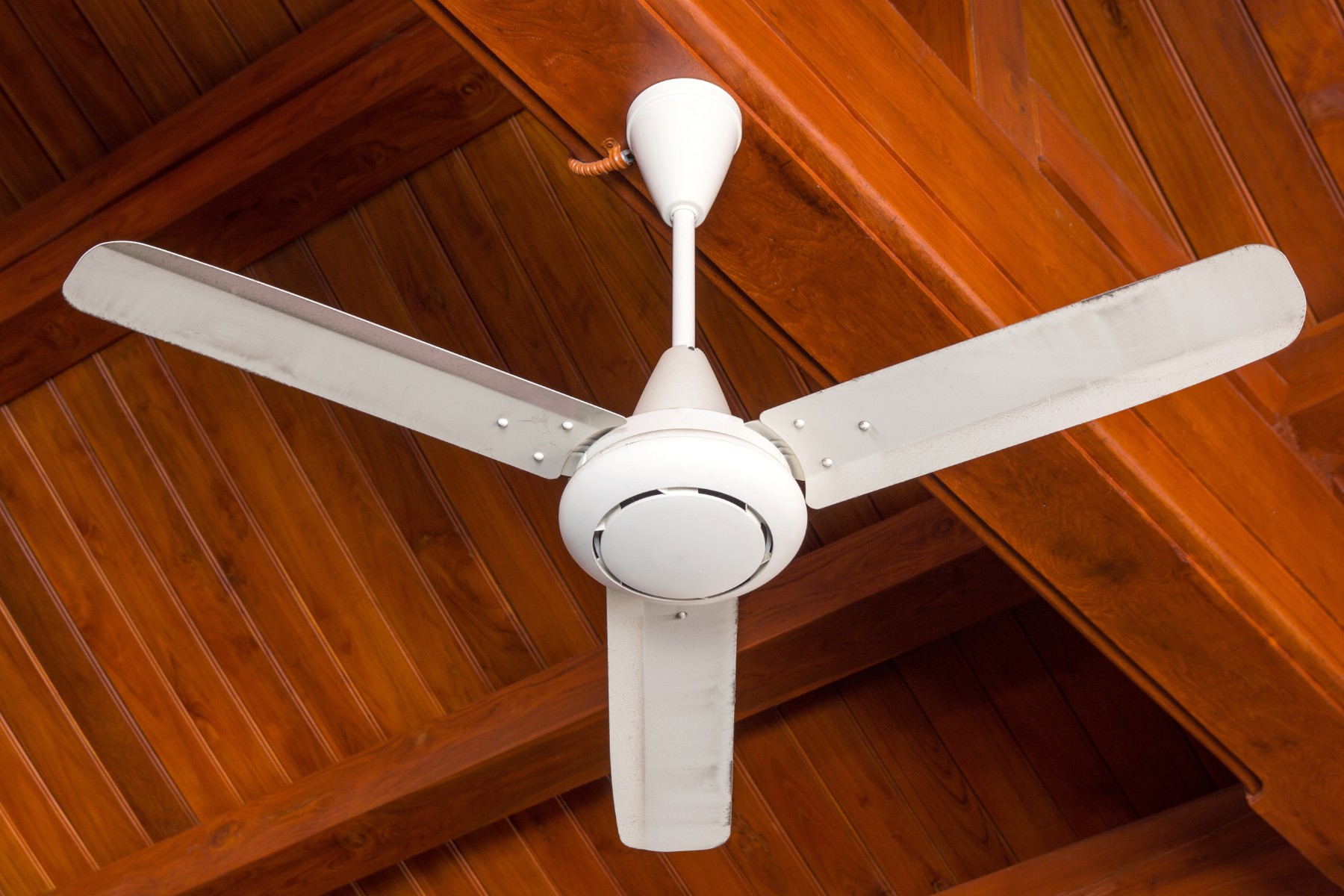 Why Spring Is the Right Time for Ceiling Fan Installation
Spring offers a natural window for home improvements. Temperatures are moderate, schedules are often more flexible, and homeowners are preparing their homes for months of warmer weather ahead.
Here’s why spring is a great time to install or upgrade ceiling fans:
- Preparing for Summer ComfortCeiling fans help move air through a room, creating a cooling effect that makes spaces feel more comfortable. Installing them in spring means they’re ready to go before summer heat sets in.
- Reducing Cooling System StrainWhile ceiling fans don’t lower room temperature on their own, they help circulate air more efficiently. This can support your cooling system by making rooms feel cooler without relying solely on air conditioning.
- Ideal Conditions for Electrical WorkSpring weather makes it easier to perform electrical upgrades without the urgency of extreme temperatures. This allows for careful planning and safe installation.
- Part of Seasonal Home MaintenanceMany homeowners already schedule HVAC maintenance, electrical inspections, and home updates in spring. Ceiling fan installation fits naturally into this seasonal checklist.
How Ceiling Fans Improve Comfort
Ceiling fans work by circulating air, not by cooling it. This air movement creates a wind-chill effect on skin, making rooms feel more comfortable during warmer months.
- Air CirculationIn rooms with poor airflow, hot air can become trapped near the ceiling while cooler air stays lower. A ceiling fan helps mix air evenly throughout the space.
- Consistent Room ComfortCeiling fans can help reduce hot spots and stagnant air, especially in larger rooms or rooms with high ceilings.
- Year-Round UseMany ceiling fans include reversible motors. In cooler months, reversing the fan direction can help redistribute warm air that rises to the ceiling, supporting winter comfort as well.
Why Electrical Readiness Matters
Ceiling fans are more complex than standard light fixtures. They involve moving parts, motors, and continuous electrical demand. Before installing a ceiling fan, it’s important to make sure your home’s electrical system can safely support it.
- Electrical Boxes Must Be Fan-RatedCeiling fans require specially rated electrical boxes designed to support the fan’s weight and movement. A standard light fixture box may not be strong enough.
- Wiring ConditionOlder wiring, loose connections, or outdated electrical components can create safety risks when adding new fixtures. An electrical assessment helps ensure everything is secure.
- Switches and ControlsSome ceiling fans require upgraded wall switches or additional wiring for features like separate fan and light controls, remote operation, or smart functionality.
- Circuit CapacityIf a room already has multiple electrical loads, adding a ceiling fan may require circuit evaluation to avoid overloading.
Signs Your Home May Need Electrical Upgrades
Before installing a ceiling fan, it’s a good idea to consider whether your electrical system needs attention. Common signs include:
- Flickering or dimming lights
- Warm or discolored switch plates
- Frequently tripped breakers
- Outdated electrical panels
- No existing ceiling wiring in desired locations
Addressing these issues during installation helps ensure long-term safety and performance.
Choosing the Right Ceiling Fan for Your Space
Not all ceiling fans are the same. Selecting the right fan depends on the room, ceiling height, and intended use.
- Room SizeFan size should match room dimensions. Larger rooms typically require fans with wider blade spans to circulate air effectively.
- Ceiling HeightCeiling height affects installation style. Some rooms may require downrods, while others work well with flush-mount fans.
- Indoor vs. Outdoor FansBathrooms, kitchens, and covered outdoor areas may require fans rated for moisture or damp conditions.
- Style and FeaturesModern ceiling fans offer a range of features, including integrated lighting, remote controls, variable speeds, and smart home compatibility. Choosing features that match your lifestyle improves usability.
Professional Installation vs. DIY
While some homeowners consider installing ceiling fans themselves, professional installation offers clear advantages—especially when electrical upgrades are involved.
- SafetyCeiling fan installation involves working with electrical wiring and mounting heavy fixtures overhead. Professional installers follow safety standards and local codes.
- Proper Support and BalanceIncorrect mounting can cause wobbling, noise, or long-term wear. Professionals ensure fans are properly secured and balanced.
- Electrical ComplianceLicensed technicians ensure wiring, switches, and connections meet code requirements and manufacturer specifications.
- Time and ConvenienceProfessional installation saves time and reduces the risk of mistakes that could lead to repairs or replacements later.
Electrical Upgrades That Pair Well with Ceiling Fans
Installing a ceiling fan can be an opportunity to improve your home’s electrical system overall.
- Updated Wall ControlsInstalling dedicated fan controls or dimmer switches allows better control over airflow and lighting.
- Smart Home IntegrationMany homeowners choose to integrate ceiling fans into smart home systems for scheduling, automation, and remote operation.
- Panel and Circuit ImprovementsIf your electrical panel is outdated or nearing capacity, upgrades may improve safety and reliability throughout your home.
- Improved Grounding and ProtectionElectrical improvements may also include grounding updates or surge protection to safeguard new equipment.
Planning Ahead for Long-Term Benefits
Ceiling fan installation isn’t just about immediate comfort—it’s a long-term investment in your home.
- Improved Comfort Year After YearA well-installed ceiling fan continues to support comfort across seasons when used correctly.
- Support for HVAC EfficiencyBy improving air circulation, ceiling fans help HVAC systems operate more effectively without overworking.
- Enhanced Room FunctionalityCeiling fans improve comfort in bedrooms, living rooms, home offices, and even outdoor spaces, making rooms more usable year-round.
- Increased Home AppealFunctional upgrades like ceiling fans add value and appeal to living spaces, especially when professionally installed.
Why Spring Is Ideal for Electrical Improvements
 Why Spring Is Ideal for Electrical Improvements
Spring offers a balance between winter urgency and summer demand. Scheduling electrical upgrades during this time allows homeowners to:
- Address potential issues before peak cooling season
- Avoid emergency repairs during summer heat
- Prepare the home for increased electrical use
- Plan upgrades without rushed timelines
Being proactive in spring helps reduce stress and unexpected problems later in the year.
Get Professional Ceiling Fan Installation with Stack Heating & Air Conditioning
If you’re considering ceiling fan installation or need electrical upgrades to support new fixtures, Stack Heating, Plumbing and Electric is here to help. Our trained professionals can evaluate your electrical system, recommend the right solutions, and install ceiling fans safely and efficiently.
1. Why is spring a good time to install ceiling fans?
Spring offers mild weather and a natural transition period before summer heat arrives. Installing ceiling fans in spring allows homeowners to prepare for warmer temperatures and complete electrical upgrades without urgency.
2. Do ceiling fans actually cool a room?
Ceiling fans do not lower the room temperature, but they improve air circulation. This creates a cooling effect that can make a room feel more comfortable during warm weather.
3. Can ceiling fans be used year-round?
Yes. Many ceiling fans have reversible motors. In warmer months, they circulate air for cooling comfort, and in cooler months, reversing the direction can help redistribute warm air that rises to the ceiling.
4. Does my electrical system need to be checked before installing a ceiling fan?
Yes. Ceiling fans require fan-rated electrical boxes, proper wiring, and sufficient circuit capacity. An electrical evaluation helps ensure safe and reliable installation.
5. What is a fan-rated electrical box?
A fan-rated electrical box is designed to support the weight and movement of a ceiling fan. Standard light fixture boxes are often not strong enough for ceiling fan installation.
6. Can I replace a light fixture with a ceiling fan?
In some cases, yes—but only if the existing electrical box and wiring are suitable. A professional can determine whether upgrades are needed before installation.
7. Are ceiling fans safe to install as a DIY project?
Ceiling fan installation involves electrical wiring and overhead mounting. Professional installation helps ensure proper support, safe wiring, and compliance with electrical codes.
8. What rooms benefit most from ceiling fans?
Ceiling fans work well in bedrooms, living rooms, home offices, and larger open spaces. They can also be installed in covered outdoor areas when rated for damp or wet conditions.
9. Can ceiling fans help reduce strain on cooling systems?
By improving air circulation, ceiling fans can help rooms feel more comfortable, which may reduce reliance on air conditioning alone during warmer months.
10. When should I schedule ceiling fan installation?
Spring is an ideal time to schedule installation before summer demand increases. It allows homeowners to prepare their homes early and avoid last-minute scheduling during peak heat.

Stack Heating, Cooling, Plumbing & Electric has been serving Northeast Ohio since 1976. What began as a family business specializing in steam and hot-water heating has grown into a trusted provider of complete home comfort solutions, including HVAC, plumbing, and electrical services. With decades of expertise and a commitment to quality, Stack is dedicated to keeping local homes safe, efficient, and comfortable year-round.
