 Skip to content


A slow or completely blocked drain can quickly interfere with normal household routines. Kitchen sinks may stop draining properly, showers can leave standing water behind, and bathroom sinks may begin emptying more slowly than usual. While an occasional minor blockage can happen in almost any home, recurring or widespread drainage problems may indicate that professional clogged drain repair is needed.
For Northeast Ohio homeowners, understanding what commonly causes drain blockages can make it easier to recognize developing problems. Hair, grease, food particles, soap residue, mineral buildup, and other debris can gradually restrict drainage. Stack Heating, Cooling, Plumbing & Electric specifically provides drain cleaning and clogged or blocked drain services for homeowners throughout Cleveland, Sandusky, and surrounding Northeast Ohio communities.
 Why Do Household Drains Become Clogged?
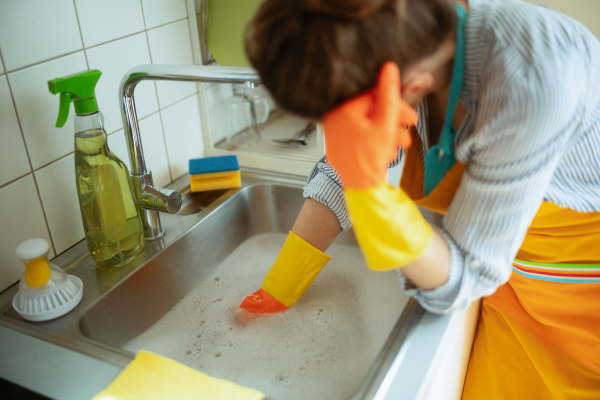 Why Do Household Drains Become Clogged?
Most drain clogs develop gradually. Materials entering a drain can collect along the inside of the pipe rather than moving completely through the drainage system. As additional debris accumulates, the opening becomes smaller and water begins draining more slowly.
Eventually, the restriction may become severe enough to stop drainage or cause water to back up into a fixture.
The location and cause of the blockage matter when determining the appropriate clogged drain repair. A problem affecting one sink may be located near that fixture, while several slow or backed-up drains can point to a problem farther inside the drainage system.
Hair Buildup in Bathroom Drains
Hair is a common cause of bathroom drain problems. Loose strands can enter sink, shower, and bathtub drains, where they may combine with soap residue and other debris.
Over time, this material can create a restriction that slows water movement.
Homeowners may initially notice that water takes longer to disappear from the shower or sink. If the restriction continues growing, standing water or a complete blockage may eventually develop.
Keeping excessive hair out of drains can help, but an established blockage may require professional cleaning.
Soap Residue Can Contribute to Clogs
Soap may seem harmless because it is used with water, but residue can accumulate inside drainpipes.
Soap residue can combine with hair, dirt, and other materials to create buildup along the pipe walls. The problem may become more noticeable when other debris becomes trapped in that buildup.
When homeowners repeatedly experience slow bathroom drainage, professional blocked drain repair or cleaning can help determine where the restriction is located.
Grease and Cooking Oils in Kitchen Drains
Grease, fats, and cooking oils should not be intentionally poured down kitchen drains.
These materials may enter the drain as liquids but can collect inside the plumbing as they cool. Food particles and other debris can then become trapped, gradually restricting water flow.
Even when hot water appears to carry grease through the sink drain, it does not necessarily mean the material has traveled completely through the drainage system.
Keeping grease and cooking oils out of the drain can help reduce this type of buildup.
Food Particles and Kitchen Debris
Food waste can also contribute to kitchen sink blockages. Small particles may collect inside the drainpipe, particularly when combined with grease or other residue.
Using a kitchen sink carefully and avoiding unnecessary food waste in the drain can reduce the amount of material entering the plumbing system.
If a kitchen sink begins draining slowly or repeatedly backs up, a clogged drain plumber can evaluate whether the blockage is near the fixture or deeper within the drain line.
Mineral Buildup Inside Plumbing
Minerals found in water can gradually accumulate on plumbing surfaces. Over time, this buildup may contribute to narrower openings inside certain pipes or plumbing components.
Mineral deposits alone may not always create a complete blockage, but they can make it easier for other materials to collect.
Professional drain evaluation can help distinguish mineral buildup from grease, hair, food debris, or another source of restricted drainage.
Foreign Objects Can Block Drains
Household drains are designed to carry wastewater and appropriate waste materials, not miscellaneous objects.
Small items can accidentally enter drains and create immediate or gradual blockages. Toilets can also become obstructed when materials other than appropriate toilet paper and waste are flushed.
When an object is lodged farther inside the plumbing, attempting to force it through may make the situation more difficult to resolve. Professional clogged drain repair can determine the location and appropriate method for addressing the obstruction.
Why Does My Drain Keep Clogging?
If you’re asking why does my drain keep clogging, repeated blockages may indicate that the underlying cause has not been completely addressed.
Recurring clogs can result from:
- Persistent buildup inside the pipe
- A blockage farther into the drainage system
- Problems affecting the drainpipe itself
- Materials repeatedly entering the drain
- Multiple types of debris accumulating together
Repeatedly restoring temporary water flow does not necessarily mean the drainage system is completely clear. Stack notes that recurring clogs may require further evaluation to determine whether the blockage is isolated to one fixture or located farther within the drainage system.
Multiple Slow Drains Deserve Attention
A single slow sink often points toward a localized problem. Multiple drains slowing down around the same time can be more significant.
Homeowners may notice problems involving several sinks, tubs, showers, or other fixtures. In these situations, the blockage may be located deeper in the drainage system.
A professional clogged drain plumber can evaluate which fixtures are affected and use that information to help locate the problem.
Gurgling Sounds and Drain Odors
Drain problems do not always begin with a complete blockage.
Gurgling noises may occur when water and air are having difficulty moving normally through the drainage system. Persistent unpleasant odors can also accompany buildup or drainage problems.
Neither symptom should automatically be assumed to have one specific cause. If gurgling, odors, and slow drainage occur together, a plumbing evaluation can help determine what is happening inside the system.
When to Call a Plumber for a Clogged Drain
Knowing when to call a plumber for a clogged drain can prevent repeated attempts at temporary fixes.
Professional evaluation is generally appropriate when:
- A drain repeatedly becomes clogged.
- Multiple fixtures are draining slowly.
- Water backs up into a sink, tub, or shower.
- Drainage has stopped completely.
- Gurgling accompanies slow drainage.
- The source of the blockage is unclear.
A clogged drain plumber can identify the location and nature of the obstruction before recommending an appropriate approach.
When a Clogged Drain May Be More Urgent
Some drainage problems require faster attention than an ordinary slow sink.
An emergency drain repair may be appropriate when a blockage causes significant wastewater backup, prevents essential plumbing fixtures from being used, or creates an immediate concern for the home.
Stack confirms that it provides emergency plumbing support in addition to drain cleaning and clogged-drain services.
If the situation is worsening quickly, avoid continuing to use fixtures that are contributing to the backup until the plumbing system can be evaluated.
Professional Drain Cleaning Addresses the Cause
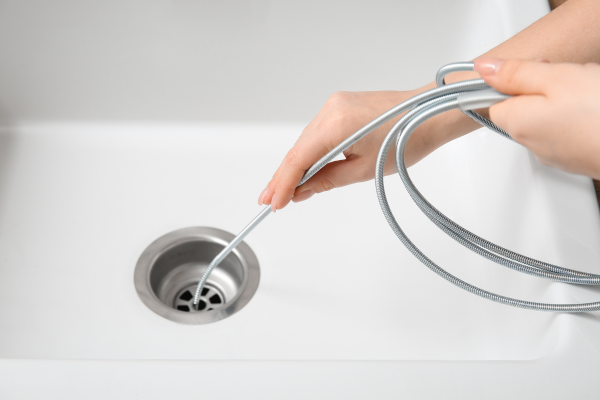 Professional Drain Cleaning Addresses the Cause
Effective clogged drain repair begins with understanding what is restricting the drain. Professional drain cleaning can address buildup and blockages while allowing a plumber to evaluate whether recurring problems suggest another drainage concern.
Stack’s confirmed drain services include clogged and blocked drain cleaning, drain clearing, drainage inspections, kitchen sink drains, bathroom drains, and evaluation of recurring clogs.
Rather than repeatedly dealing with the same slow or blocked fixture, identifying the source can provide a clearer understanding of what the drainage system needs.
Get Help With a Clogged Drain in Northeast Ohio
If you are dealing with recurring clogs, a slow-moving sink, a backed-up fixture, or another drainage problem, professional clogged drain repair can help identify and address the obstruction. Stack Heating, Cooling, Plumbing & Electric provides confirmed drain cleaning and plumbing services throughout Cleveland, Sandusky, and surrounding Northeast Ohio communities. Contact Stack Heating, Cooling, Plumbing & Electric at (440) 937-9134 to schedule service or discuss a drain problem that needs professional attention.
Frequently Asked Questions
1. Why does my drain keep clogging even after I clear it?
A drain that keeps clogging may have buildup deeper in the pipe, a partial blockage that was not fully removed, or materials repeatedly entering the drain. Recurring clogs are a good reason to consider professional clogged drain repair instead of relying only on temporary fixes.
2. What are the most common causes of clogged drains in bathrooms?
Bathroom drains commonly clog because of hair, soap residue, personal care products, and other debris that collect inside the pipe. Over time, these materials can combine and restrict water flow, leading to slow drainage or complete blockages.
3. What usually causes kitchen sink drains to clog?
Kitchen sink clogs are often caused by grease, cooking oils, food particles, and residue that build up inside the drain line. Grease can coat the inside of the pipe and trap other debris, gradually making the opening smaller.
4. When should I call a plumber for a clogged drain?
You should consider calling a plumber when a drain repeatedly clogs, several fixtures are draining slowly, water is backing up, or the blockage does not respond to basic troubleshooting. A clogged drain plumber can help determine where the obstruction is located.
5. What does it mean if multiple drains are slow at the same time?
Multiple slow drains may indicate that the problem is located deeper in the drainage system rather than at a single fixture. This type of pattern often deserves professional evaluation because the blockage may affect a larger section of the plumbing system.
6. Can mineral buildup contribute to clogged drains?
Yes, mineral deposits can gradually narrow parts of the plumbing system and make it easier for other debris to collect. Mineral buildup may not always cause a complete blockage by itself, but it can contribute to ongoing drainage problems.
7. Why does my drain make gurgling noises?
Gurgling may occur when water and air are not moving normally through the drainage system. A partial blockage, restricted flow, or another plumbing issue may be involved. If gurgling happens along with slow drainage or backups, professional inspection may be appropriate.
8. Is a bad smell from a drain a sign of a clog?
It can be. Persistent drain odors may be caused by trapped debris, grease, organic buildup, or another drainage issue. If the odor continues despite routine cleaning, a plumber can evaluate whether a blockage or another plumbing concern is present.
9. When does a clogged drain become an emergency?
A clogged drain may require emergency drain repair when wastewater is backing up, essential plumbing fixtures cannot be used, or the problem is rapidly worsening. In these situations, reducing water use and contacting a professional plumber promptly may help limit further disruption.
10. Can professional drain cleaning help with recurring clogs?
Yes, professional drain cleaning can help remove buildup and identify whether the blockage is limited to one fixture or located farther in the drainage system. If you repeatedly need blocked drain repair, a professional evaluation may also reveal whether another underlying plumbing problem is contributing to the clogs.

Stack Heating, Cooling, Plumbing & Electric has been serving Northeast Ohio since 1976. What began as a family business specializing in steam and hot-water heating has grown into a trusted provider of complete home comfort solutions, including HVAC, plumbing, and electrical services. With decades of expertise and a commitment to quality, Stack is dedicated to keeping local homes safe, efficient, and comfortable year-round.
