 Skip to content


Few plumbing issues are more frustrating than turning on the bathroom faucet and waiting far longer than expected for hot water to arrive—or finding that it never gets hot at all. Whether the problem affects one sink or multiple fixtures, delayed or missing hot water can interrupt daily routines and may indicate that part of the plumbing system needs attention.
Many homeowners ask, why is there no hot water in my sink or why does it take so long for hot water to reach the bathroom faucet. The answer is not always straightforward. The issue may involve the faucet itself, the plumbing layout, the water heater, or another component of the home’s hot water system.
Understanding the possible causes of hot water not reaching faucet fixtures, recognizing when the problem requires professional attention, and knowing how to fix slow hot water at sink locations can help homeowners make informed decisions.
Why Does Hot Water Take Time to Reach a Faucet?
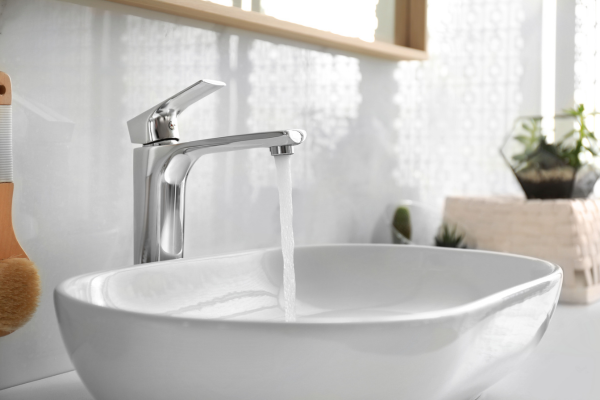 Before exploring potential problems, it is helpful to understand how hot water travels through a home’s plumbing system.
When a hot water faucet is turned on, cold water that has been sitting inside the hot water pipe must first flow out before heated water from the water heater reaches the fixture. The amount of time this takes depends on several factors, including:
- The distance between the water heater and the bathroom
- The size of the plumbing pipes
- Household plumbing layout
- Recent hot water usage
Some delay is completely normal, especially in larger homes where bathrooms are located farther from the water heater.
Hot Water Not Reaching Faucet
If hot water not reaching faucet becomes a recurring issue, the plumbing system may require inspection.
Potential contributing factors include:
- Long plumbing runs
- Pipe restrictions
- Plumbing configuration
- Valve problems
- Water heater performance
Because each home’s plumbing system is different, professional diagnosis is often the most effective way to identify the source of the problem.
Why Does It Take So Long for Hot Water?
Many homeowners wonder, why does it take so long for hot water to arrive at certain fixtures while other faucets heat up quickly.
Several factors may affect delivery time:
- The bathroom is located farther from the water heater.
- Pipes hold a greater volume of cooled water.
- Plumbing layout is more complex.
- Water has not been used recently.
- Flow restrictions slow water movement.
Long wait times do not always indicate a plumbing failure, but a significant change in performance may justify an inspection.
Mineral Buildup Can Restrict Water Flow
Over time, mineral deposits may accumulate inside plumbing components, particularly in areas with harder water.
Buildup can sometimes affect:
- Faucet aerators
- Supply lines
- Shut-off valves
- Faucet cartridges
Restrictions may reduce water flow and affect how quickly hot water reaches the sink.
Plumbing Valves Should Be Checked
Each sink typically has separate shut-off valves beneath the fixture.
If the hot water valve is not fully open or is malfunctioning, it may reduce hot water flow to the faucet.
A licensed plumber can inspect these components to determine whether they are contributing to the problem.
Can Pipe Size Affect Hot Water Delivery?
Yes. The design of the home’s plumbing system—including pipe size and routing—may influence how quickly hot water reaches different fixtures.
Older homes and homes with additions sometimes have plumbing layouts that increase the amount of time required for hot water to travel to certain bathrooms.
Can Seasonal Changes Affect Hot Water?
During colder months, water entering the plumbing system may begin at a lower temperature, meaning the water heater has more work to do before delivering hot water.
Although this article focuses on September, seasonal temperature changes throughout Ohio can influence how quickly hot water reaches household fixtures.
When Should You Call a Plumber?
Consider scheduling a plumbing inspection if:
- Only one sink lacks hot water.
- Multiple fixtures have delayed hot water.
- Hot water suddenly becomes slower than usual.
- Water temperature changes unexpectedly.
- Plumbing noises accompany hot water use.
- The water heater appears to be underperforming.
Addressing concerns early may help identify developing plumbing issues before they become more disruptive.
 Routine Plumbing Maintenance Helps
Routine plumbing inspections can identify small issues before they affect everyday comfort.
A plumber may evaluate:
- Faucet performance
- Water heater operation
- Shut-off valves
- Plumbing connections
- Water flow
- Visible leaks
Regular maintenance supports reliable plumbing performance throughout the home.
Trust Stack Heating, Cooling, Plumbing & Electric
At Stack Heating, Cooling, Plumbing & Electric, we understand how frustrating it can be when hot water not reaching faucet fixtures disrupt your daily routine. Whether you’re wondering why is there no hot water in my sink, dealing with a bathroom sink no hot water issue, or trying to fix slow hot water at sink locations, our experienced plumbing professionals can inspect your system and help identify the source of the problem.
If you’re experiencing bathroom sink no hot water or have questions about your home’s plumbing system, contact Stack Heating, Cooling, Plumbing & Electric at (440) 937-9134 to schedule a professional plumbing inspection and learn more about their plumbing services.
Frequently Asked Questions
1. Why is there no hot water in my bathroom sink but every other faucet works?
If why is there no hot water in my sink only affects one bathroom faucet, the issue may be isolated to that fixture rather than the entire plumbing system. Possible causes include a partially closed shut-off valve, mineral buildup, a worn faucet cartridge, or another localized plumbing issue. A licensed plumber can determine the exact cause.
2. Why does it take so long for hot water to reach my bathroom sink?
Many homeowners wonder why does it take so long for hot water to arrive at certain fixtures. The wait time often depends on the distance between the water heater and the sink, the plumbing layout, pipe size, and how recently hot water was used elsewhere in the home.
3. Can mineral buildup prevent hot water from reaching a faucet?
Yes, mineral deposits may restrict water flow through faucet components, shut-off valves, or supply lines. Over time, these restrictions can affect how efficiently hot water reaches the faucet. A professional inspection can determine whether buildup is contributing to the problem.
4. Does a bathroom sink with no hot water always mean the water heater is failing?
No. A bathroom sink no hot water problem does not always indicate a water heater issue. If other fixtures throughout the home still receive hot water, the problem may be isolated to the sink’s plumbing, faucet, or water supply connections rather than the water heater itself.
5. Can a faulty faucet stop hot water from coming through?
Yes, a worn or malfunctioning faucet cartridge, mixing valve, or other internal faucet component may reduce or block hot water flow. Because several plumbing issues can produce similar symptoms, proper diagnosis is important before replacing any parts.
6. Should I check the shut-off valves under my bathroom sink?
The shut-off valves beneath the sink may contribute to reduced hot water flow if they are partially closed or malfunctioning. While homeowners can visually inspect whether the valves appear fully open, repairs or replacement should generally be performed by a qualified plumbing professional if a problem is suspected.
7. Can pipe length affect how quickly hot water reaches a sink?
Yes. The farther a bathroom is located from the water heater, the longer it may take for heated water to travel through the plumbing system. Larger homes or homes with more complex plumbing layouts often experience longer wait times before hot water reaches certain fixtures.
8. Why did my hot water suddenly become slower than before?
If hot water delivery changes noticeably, it may indicate a developing plumbing issue. Mineral buildup, valve problems, water heater performance changes, or restrictions within the plumbing system can all contribute to slower hot water delivery. A plumbing inspection can help identify the underlying cause.
9. Can low hot water flow affect only one sink?
Yes, it is possible for only one sink to experience reduced hot water flow while the rest of the home’s plumbing functions normally. Localized issues involving the faucet, supply line, shut-off valve, or plumbing connections may affect a single fixture without impacting the rest of the system.
10. When should I call a plumber for delayed hot water?
It is generally advisable to schedule a plumbing inspection if hot water not reaching faucet becomes a recurring issue, only one fixture consistently lacks hot water, water temperature changes unexpectedly, or the delay becomes noticeably longer than it has been in the past. A professional evaluation can help identify the cause before additional plumbing problems develop.

Stack Heating, Cooling, Plumbing & Electric has been serving Northeast Ohio since 1976. What began as a family business specializing in steam and hot-water heating has grown into a trusted provider of complete home comfort solutions, including HVAC, plumbing, and electrical services. With decades of expertise and a commitment to quality, Stack is dedicated to keeping local homes safe, efficient, and comfortable year-round.
