 Skip to content


Buying a home is one of the biggest decisions a person can make, and it is easy to focus on the visible details first. Buyers often pay close attention to the roof, flooring, kitchen, bathrooms, windows, and overall layout. While those features matter, some of the most important parts of a home are hidden behind walls, under floors, and below ground. The plumbing system is one of them.
At Stack Heating, Cooling, Plumbing, and Electric, we know that plumbing problems are not always easy to spot during a casual walkthrough. A sink may run, a toilet may flush, and a shower may appear to drain normally, but that does not always mean the plumbing system is in good condition. A professional plumbing inspection before buying a home can help reveal hidden issues, protect your investment, and give you a clearer understanding of the property.
What Is a Plumbing Inspection?
A plumbing inspection is a professional evaluation of a home’s plumbing system. The goal is to identify visible and potential concerns before they turn into costly or disruptive problems.
During an inspection, a plumber may evaluate:
- Water supply lines
- Drain lines
- Fixtures and faucets
- Toilets
- Water heater condition
- Shutoff valves
- Visible pipes
- Sump pump operation, if present
- Sewer line concerns, when needed
The inspection helps determine whether the plumbing system appears functional, safe, and properly maintained.
 Why Plumbing Inspections Matter Before Buying
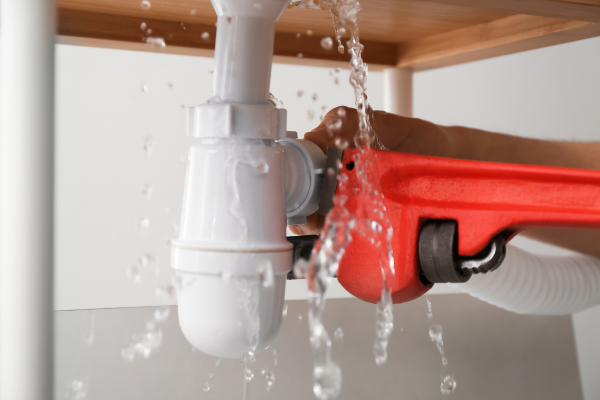 Why Plumbing Inspections Matter Before Buying
A standard home inspection may include a general look at plumbing fixtures, but it may not provide the same level of detail as a dedicated plumbing inspection. Plumbing systems can contain hidden issues that require professional knowledge and tools to identify.
A plumbing inspection gives buyers more information before finalizing a purchase. It can help uncover problems that may affect comfort, safety, repair planning, or future maintenance needs.
Hidden Leaks Can Cause Major Problems
Leaks are one of the most common plumbing concerns in homes. Some leaks are easy to spot, such as dripping faucets or water under a sink. Others are hidden behind walls, beneath floors, or in crawl spaces.
Hidden leaks may lead to:
- Water stains
- Damaged drywall
- Soft flooring
- Mold or mildew concerns
- Cabinet damage
- Increased water usage
A plumbing inspection can help identify signs of leaks that may not be obvious during a showing.
Water Pressure Issues May Point to Bigger Concerns
Water pressure can tell a lot about the condition of a plumbing system. Low water pressure may be caused by mineral buildup, pipe corrosion, valve issues, or supply line problems. High water pressure can also be a concern because it may place extra strain on pipes, fixtures, and appliances.
A professional plumber can test water pressure and help determine whether it falls within an appropriate range for the home’s plumbing system.
Drains Should Be Checked Carefully
Slow drains are often dismissed as minor issues, but they can be signs of deeper plumbing problems. A slow sink, tub, or shower drain may be caused by buildup near the fixture. However, multiple slow drains may suggest a larger issue in the main drain or sewer line.
Before buying a home, drain performance should be checked carefully. A plumbing inspection can help determine whether slow drainage is isolated or part of a bigger concern.
Sewer Line Problems Can Be Serious
The sewer line is one of the most important parts of a home’s plumbing system. It carries wastewater away from the home. If the sewer line is blocked, damaged, or deteriorating, the home may experience backups, odors, or drainage problems.
Sewer line issues can be caused by:
- Tree root intrusion
- Pipe corrosion
- Pipe sagging
- Cracked or collapsed sections
- Grease and debris buildup
Depending on the property, a plumber may recommend a sewer camera inspection to get a closer look inside the line.
Water Heater Condition Matters
The water heater is another important part of a plumbing inspection. Buyers should know whether the system appears properly installed, functional, and maintained.
A plumber may check:
- Visible corrosion
- Leaks around the tank
- Venting concerns
- Temperature and pressure relief valve condition
- Drain valve condition
- General signs of wear
A working water heater is essential for daily comfort, and inspection can help buyers understand its current condition.
Older Homes May Need Extra Attention
Older homes can have character and charm, but they may also contain aging plumbing materials or outdated installation methods. Some older plumbing systems may have pipes that are more prone to corrosion, leaks, or reduced flow.
A plumbing inspection can help identify whether older materials are present and whether they may require future attention.
Fixtures and Faucets Should Be Tested
Faucets, toilets, showers, tubs, and outdoor spigots should all be checked during a plumbing inspection. Even small problems can point to maintenance needs.
Common fixture issues include:
- Dripping faucets
- Loose fixtures
- Running toilets
- Leaks around toilet bases
- Poor drainage
- Low flow
- Outdoor faucet leaks
Testing fixtures helps ensure the home’s plumbing works properly in everyday use.
Shutoff Valves Are Important
Shutoff valves allow homeowners to stop water flow during repairs or emergencies. If shutoff valves are missing, stuck, leaking, or difficult to access, it can make future plumbing issues harder to manage.
A plumbing inspection can identify whether important valves are present and functioning.
Plumbing Inspections Help With Planning
A plumbing inspection is not only about finding problems. It also helps buyers plan for future maintenance and upgrades. Even if a home does not have an urgent plumbing issue, an inspection may reveal areas that should be monitored over time.
This information can help buyers make informed decisions after moving in.
Professional Insight Reduces Guesswork
 Professional Insight Reduces Guesswork
Buying a home comes with many decisions. A plumbing inspection helps remove uncertainty by providing professional insight into one of the home’s most important systems.
A plumber can explain what they find, what may need attention, and what appears to be working properly. This can help buyers feel more confident about the condition of the property.
When Should You Schedule a Plumbing Inspection?
A plumbing inspection is best scheduled before closing on a home. This gives buyers time to review findings and understand the condition of the plumbing system before finalizing the purchase.
It may be especially helpful if:
- The home is older
- There are mature trees near sewer lines
- Drains are slow
- Water pressure seems unusual
- There are signs of past leaks
- The water heater appears older
- The basement or crawl space has moisture concerns
Why Choose Stack Heating, Cooling, Plumbing, and Electric?
At Stack Heating, Cooling, Plumbing, and Electric, we understand how important reliable plumbing is to a safe and comfortable home. Our team provides professional plumbing services designed to help homeowners identify issues, understand their systems, and make informed decisions.
Whether you are buying a home or maintaining one you already own, professional plumbing service can help protect your prrepiooperty and reduce surprises.
Contact Stack Today!
Scheduling a plumbing inspection before buying a home gives you valuable information before making a major commitment. It helps you understand what you are purchasing and what plumbing needs may exist. If you are preparing to buy a home, contact Stack Heating, Cooling, Plumbing, and Electric at (440) 937-9134 or visit us to learn more about professional plumbing services.
10 FAQs
1. Why should I get a plumbing inspection before buying a home?
A plumbing inspection can help identify hidden issues such as leaks, drainage problems, sewer line concerns, and aging plumbing components before you purchase the property.
2. What does a plumbing inspection include?
A plumbing inspection may include evaluating water supply lines, drain lines, fixtures, toilets, faucets, water heaters, visible pipes, shutoff valves, and other plumbing components.
3. Can a plumbing inspection find hidden leaks?
Yes. Professional plumbers can often identify signs of hidden leaks, water damage, moisture issues, and plumbing concerns that may not be visible during a walkthrough.
4. Why is checking the sewer line important when buying a home?
The sewer line carries wastewater away from the home. Problems such as root intrusion, cracks, or blockages can lead to backups and drainage issues.
5. Can a plumbing inspection reveal water pressure problems?
Yes. A plumber can evaluate water pressure and identify potential causes of low or unusually high pressure that may affect plumbing performance.
6. Should older homes always have a plumbing inspection?
Older homes can have aging pipes, outdated plumbing materials, or previous repairs that may require closer evaluation, making a plumbing inspection especially valuable.
7. What are common warning signs of plumbing issues in a home?
Common signs include slow drains, low water pressure, water stains, leaking fixtures, sewer odors, recurring clogs, and moisture around plumbing components.
8. Why is the water heater checked during a plumbing inspection?
The water heater is an important part of the plumbing system. An inspection can identify visible wear, leaks, corrosion, and other signs that may indicate maintenance or replacement needs.
9. Can a plumbing inspection help me plan future maintenance?
Yes. Even if no major issues are found, a plumbing inspection can identify areas that may need monitoring or maintenance in the future.
10. When should a plumbing inspection be scheduled during the home-buying process?
A plumbing inspection is typically most beneficial before closing, allowing buyers to better understand the condition of the plumbing system before finalizing the purchase.

Stack Heating, Cooling, Plumbing & Electric has been serving Northeast Ohio since 1976. What began as a family business specializing in steam and hot-water heating has grown into a trusted provider of complete home comfort solutions, including HVAC, plumbing, and electrical services. With decades of expertise and a commitment to quality, Stack is dedicated to keeping local homes safe, efficient, and comfortable year-round.
