 Skip to content


A toilet is one of the most frequently used plumbing fixtures in any home, yet it often receives little attention until a problem develops. While toilets are designed to last for many years, they are not intended to last forever. Over time, normal wear, changing plumbing standards, and reduced performance may make replacement a practical option.
Many homeowners wonder how long do toilets last and whether their current fixture is nearing the end of its useful life. The answer depends on several factors, including the toilet’s condition, maintenance history, usage, and whether it continues to operate efficiently.
Understanding the typical toilet lifespan, recognizing the signs you need a new toilet, and knowing when to replace a toilet can help homeowners make informed plumbing decisions before small issues become larger concerns.
How Long Do Toilets Last?
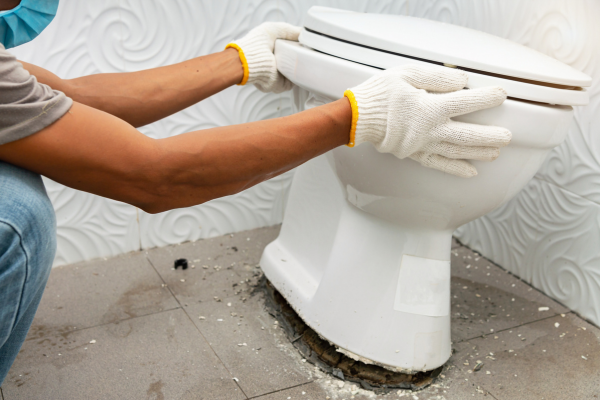 One of the most common plumbing questions is how long do toilets last.
The porcelain bowl itself can often remain in service for several decades if it has not been damaged. However, many internal components—including the flapper, fill valve, flush valve, handle, and seals—may require replacement periodically throughout the life of the toilet.
Although a toilet may technically continue working for many years, age alone does not determine whether it should remain in service. Performance, reliability, water efficiency, and physical condition are equally important considerations.
Signs You Need a New Toilet
Several signs you need a new toilet may develop gradually over time. While one issue does not automatically require replacement, multiple recurring problems may suggest that a new fixture is worth considering.
Frequent Repairs
Replacing a flapper or fill valve occasionally is a normal part of toilet maintenance.
However, if you frequently replace internal components or repeatedly call for plumbing repairs, the overall condition of the toilet may warrant a professional evaluation.
Cracks in the Porcelain
Visible cracks in the toilet bowl or tank should never be ignored.
Even small cracks can grow over time and may eventually allow water to leak onto the floor. In some situations, cracked porcelain may also weaken the structural integrity of the fixture.
A licensed plumber can determine whether repair is appropriate or whether replacement is the safer option.
Persistent Leaks
Water around the base of a toilet is not always caused by a cracked fixture.
Leaks may result from:
- Worn seals
- Loose connections
- Tank components
- Damaged wax rings
- Plumbing connections
Because several different plumbing issues can produce similar symptoms, identifying the exact source of the leak is important before deciding whether to replace a toilet.
Frequent Clogs
Occasional clogs can happen in almost any home.
However, if one toilet clogs significantly more often than others despite normal use, it may indicate reduced flushing performance or an aging fixture.
A plumber can determine whether the issue involves the toilet itself or another part of the plumbing system.
Constant Running Water
A toilet that runs continuously may waste water and indicate worn internal components.
In many cases, replacing parts such as the flapper or fill valve resolves the issue.
However, if multiple repairs have already been performed and problems continue, homeowners may begin asking when to replace a toilet rather than continue repairing it.
Wobbling or Movement
A toilet should remain securely fastened to the floor.
If the toilet rocks or moves during use, it may indicate:
- Loose mounting bolts
- Flooring problems
- Wax ring failure
- Damage beneath the toilet
A professional inspection can identify the underlying cause before further damage develops.
Outdated Water Efficiency
Many older toilets use considerably more water per flush than newer models.
While older toilets may still function properly, homeowners planning plumbing updates sometimes choose replacement to improve water efficiency and comply with current plumbing fixture standards.
Replacing an older fixture is often considered during bathroom remodeling projects or broader plumbing improvements.
Cosmetic Wear
Over time, even properly functioning toilets may develop cosmetic wear such as:
- Permanent staining
- Surface scratches
- Worn finishes
- Discoloration
Although cosmetic issues alone do not necessarily require replacement, they may influence a homeowner’s decision during a bathroom renovation.
When to Replace a Toilet Instead of Repairing It
Knowing when to replace a toilet often depends on balancing the condition of the fixture with the frequency of repairs.
Replacement may be worth discussing if:
- Repairs become increasingly frequent.
- Cracks develop in the porcelain.
- The toilet leaks repeatedly.
- Flushing performance declines.
- Replacement parts become more difficult to obtain.
- The fixture no longer meets the homeowner’s needs.
A licensed plumber can help determine whether repair or replacement is the most appropriate solution.
Why Professional Installation Matters
If replacement becomes necessary, proper installation is important for both performance and reliability.
Professional installation helps ensure:
- Secure mounting
- Proper sealing
- Correct water supply connections
- Reliable flushing operation
- Compliance with applicable plumbing codes
Correct installation also helps reduce the risk of future leaks and operational problems.
 Routine Maintenance Can Extend Toilet Lifespan
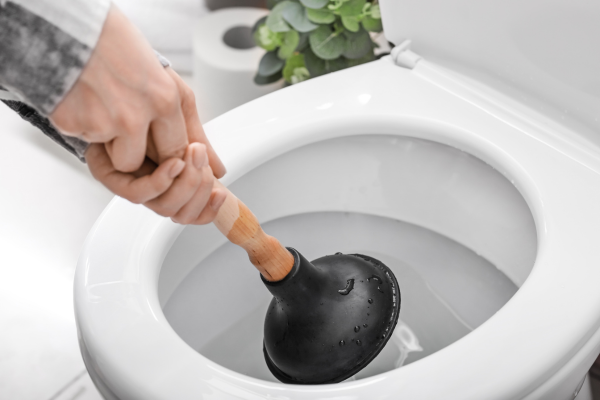 Routine Maintenance Can Extend Toilet Lifespan
Simple maintenance may help maximize the toilet lifespan.
Homeowners should periodically:
- Check for leaks around the base.
- Listen for continuous running water.
- Inspect the tank components.
- Test the flush performance.
- Address minor plumbing issues promptly.
Routine inspections may help identify developing problems before they require more extensive repairs.
Trust Stack Heating, Cooling, Plumbing & Electric
At Stack Heating, Cooling, Plumbing & Electric, we understand that homeowners want dependable plumbing fixtures that operate efficiently every day. If you’re unsure how long do toilets last in your situation or have questions about when to replace a toilet, contact Stack Heating, Cooling, Plumbing & Electric at (440) 937-9134 or visit their website to learn more about their plumbing services and schedule a professional evaluation.
Frequently Asked Questions
1. How can I tell if my toilet should be repaired or replaced?
A professional inspection is usually the best way to determine whether repair or replacement is appropriate. Minor issues involving internal components, such as a faulty flapper or fill valve, can often be repaired. However, recurring leaks, cracked porcelain, or repeated repairs may indicate that replacing the toilet is a more practical long-term solution.
2. Does the age of a toilet always determine when it should be replaced?
No. While many homeowners ask how long do toilets last, age alone does not determine whether replacement is necessary. A toilet that is well maintained and functions properly may continue operating for many years. The overall condition, performance, and frequency of repairs are generally more important than its age.
3. Can a leaking toilet always be fixed without replacing it?
Not always. Some toilet leaks are caused by worn seals, loose fittings, or internal tank components that can often be repaired. However, if the leak results from a cracked bowl or tank, replacement may be recommended because damaged porcelain generally cannot be repaired safely or permanently.
4. Why does my toilet keep clogging even when it is used normally?
Frequent clogs may indicate that the toilet’s flushing performance has declined or that there is another issue within the plumbing system. Mineral buildup, aging components, partial drain obstructions, or an older toilet design can all contribute to recurring clogs. A licensed plumber can identify the underlying cause.
5. Can replacing a toilet improve water efficiency?
Yes, replacing an older toilet may improve water efficiency if the existing fixture uses more water per flush than newer models. While many older toilets continue to function properly, homeowners sometimes choose replacement during bathroom updates to take advantage of newer plumbing fixture designs.
6. What are the most common signs you need a new toilet?
Some of the most common signs you need a new toilet include recurring leaks, visible cracks, frequent clogs, repeated repairs, constant running water, and declining flushing performance. These issues do not always require immediate replacement, but they often justify a professional plumbing evaluation.
7. Is it normal for a toilet to rock or move slightly?
No. A properly installed toilet should remain securely attached to the floor. Movement may indicate loose mounting bolts, a worn wax ring, flooring problems, or another installation issue. Because continued movement can lead to leaks or additional damage, it is generally best to have the toilet inspected.
8. Should I replace my toilet before remodeling a bathroom?
Many homeowners choose to evaluate the condition of their plumbing fixtures before beginning a bathroom renovation. If the toilet is older, requires frequent repairs, or no longer meets the homeowner’s needs, replacing it during a remodeling project may help avoid additional work later.
9. How often should a toilet be professionally inspected?
There is no universal inspection schedule, but it is generally a good idea to have a toilet evaluated if you notice leaks, recurring clogs, constant running water, movement at the base, or other performance concerns. A plumbing inspection may also be appropriate before major bathroom renovations or when purchasing an older home.
10. What should I do if I am unsure when to replace a toilet?
If you are uncertain when to replace a toilet, scheduling a professional plumbing evaluation can provide helpful guidance. A licensed plumber can assess the fixture’s condition, identify any underlying issues, and explain whether repair or replacement is the more appropriate option based on its overall performance and toilet lifespan.

Stack Heating, Cooling, Plumbing & Electric has been serving Northeast Ohio since 1976. What began as a family business specializing in steam and hot-water heating has grown into a trusted provider of complete home comfort solutions, including HVAC, plumbing, and electrical services. With decades of expertise and a commitment to quality, Stack is dedicated to keeping local homes safe, efficient, and comfortable year-round.
