 Skip to content


Most homeowners do not think much about their drains until there is a problem. Water backs up in the sink, the shower drains slowly, or an unpleasant odor starts coming from the kitchen drain. By the time these signs appear, the blockage has often been building for weeks or even months.
Regular drain cleaning is one of the simplest ways to protect your home’s plumbing system. It helps prevent clogs, improves drainage, reduces odors, and lowers the chance of larger plumbing issues developing over time. While many people wait until there is a serious backup, scheduling routine drain cleaning can help keep your home running smoothly year-round.
For homeowners, understanding why drain cleaning matters and when to schedule it can make a major difference in the health of the plumbing system.
What Causes Drains to Clog?
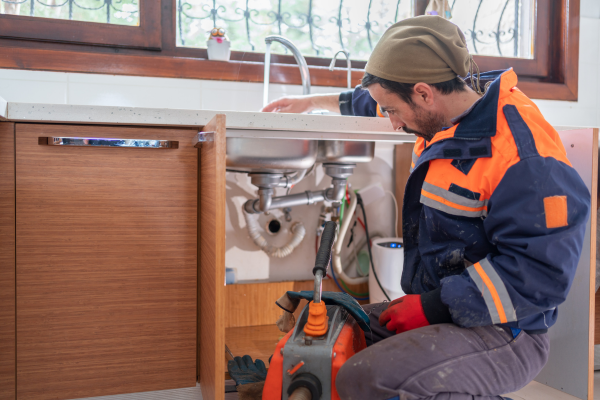 Drains are designed to carry wastewater away from your home, but they are not designed to handle every material that goes down them. Over time, residue begins to collect inside pipes and gradually restricts water flow.
Common causes of drain buildup include:
- Grease and food particles in kitchen sinks
- Soap residue and hair in bathroom drains
- Toothpaste, hygiene products, and debris
- Mineral buildup from hard water
- Dirt and sediment washed into floor drains
- Tree root intrusion in sewer lines
- Flushing non-flushable products down toilets
Many clogs do not happen all at once. Instead, they form slowly as material accumulates along the walls of the pipe.
Early Signs You May Need Drain Cleaning
Drain problems often start with small warning signs before becoming full blockages. Paying attention to these issues can help you address problems early.
Slow Draining Water
If water takes longer than usual to drain from sinks, tubs, or showers, there may already be buildup restricting the pipe.
Gurgling Sounds
Drains that make bubbling or gurgling noises can indicate trapped air caused by a blockage somewhere in the line.
Frequent Clogs
If you find yourself repeatedly using a plunger or drain cleaner, there may be a deeper issue that requires professional attention.
Unpleasant Odors
Food, grease, soap residue, and debris trapped inside drains can begin to smell over time. Persistent drain odors are often a sign of buildup.
Water Backups
Water coming back up into sinks, tubs, or floor drains is a sign that the drain system is no longer moving water effectively.
Why Regular Drain Cleaning Matters
Drain cleaning is not just about fixing a clog when it happens. Routine cleaning helps maintain the entire plumbing system and reduces the risk of more serious issues later.
Prevents Major Blockages
One of the biggest benefits of regular drain cleaning is preventing complete clogs. Removing buildup before it becomes severe helps keep water flowing normally.
Reduces the Risk of Plumbing Emergencies
Blocked drains can eventually lead to overflowing sinks, backed-up toilets, or sewer line problems. Regular cleaning lowers the chance of these emergencies.
Improves Drain Efficiency
Clean pipes allow water to move more freely. This can make sinks, tubs, and showers drain faster and reduce standing water.
Helps Prevent Odors
Drain cleaning removes the organic material, grease, and debris that often cause unpleasant smells in kitchens and bathrooms.
Protects Your Pipes
Certain types of buildup can create pressure inside pipes or contribute to corrosion over time. Routine cleaning helps reduce unnecessary strain on the plumbing system.
Kitchen Drains Need Special Attention
Kitchen drains are among the most common locations for clogs because they handle grease, oils, food particles, and soap.
Even when grease is poured down the drain as a liquid, it can cool and harden inside the pipe. Over time, this sticky layer traps food particles and narrows the drain line.
Common kitchen drain clog contributors include:
- Grease and oil
- Coffee grounds
- Food scraps
- Starchy foods like pasta or rice
- Soap residue
Routine cleaning helps keep kitchen drains clear and reduces the risk of stubborn blockages.
Bathroom Drains Also Build Up Over Time
Bathroom drains deal with a different type of buildup. Hair, soap residue, toothpaste, and personal care products all contribute to slow drainage.
In shower drains, hair can easily wrap around other debris and form dense clogs. Bathroom sink drains often collect soap scum and grooming products.
Professional drain cleaning helps remove this buildup more thoroughly than household methods alone.
The Problem with Chemical Drain Cleaners
When drains slow down, many homeowners reach for store-bought chemical drain cleaners. While these products may sometimes provide temporary relief, they are not always the best solution.
Chemical drain cleaners can:
- Damage older pipes
- Corrode metal plumbing components
- Weaken seals and joints
- Fail to remove deeper blockages
- Create safety concerns if used repeatedly
These products often dissolve only part of the clog while leaving buildup behind. Professional drain cleaning methods are typically safer and more effective.
Sewer Line Problems Can Start with Small Drain Issues
Sometimes what appears to be a simple sink or shower clog is actually a sign of a larger sewer line problem.
Warning signs of a possible sewer issue include:
- Multiple drains clogging at the same time
- Toilets bubbling when sinks are used
- Water backing up into tubs or floor drains
- Persistent sewage odors
Routine drain cleaning can help identify these issues early before they become more serious.
 How Often Should Drains Be Cleaned?
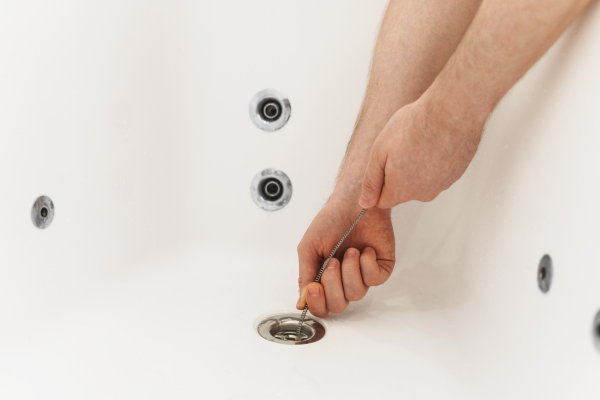 How Often Should Drains Be Cleaned?
The ideal drain cleaning schedule depends on the size of the home, the number of occupants, and how heavily the plumbing system is used.
Homes with larger families, older plumbing systems, or recurring clogs may benefit from more frequent cleaning.
In general, routine professional drain cleaning every year or two can help reduce buildup and maintain proper flow.
Some homeowners may also choose more frequent service for:
- Older homes
- Homes with large trees near sewer lines
- Households with heavy kitchen use
- Homes with a history of drain issues
A plumbing professional can recommend the right schedule based on your home’s needs.
Schedule Professional Drain Cleaning Today
If your drains are slow, clogged, or overdue for maintenance, contact Stack Heating, Cooling, Plumbing, and Electric at (440) 937-9134. Professional drain cleaning can help keep your plumbing system working properly and reduce the risk of future issues.
Common FAQs About Drain Cleaning
1. Why is regular drain cleaning important?
Regular drain cleaning helps remove buildup before it turns into a major clog. It can improve drainage, reduce odors, and help prevent larger plumbing problems.
2. What causes drains to clog over time?
Common causes include grease, food particles, soap residue, hair, mineral buildup, and other debris that gradually collect inside the pipes.
3. How do I know if my drains need cleaning?
Signs may include slow-draining sinks or tubs, gurgling sounds, recurring clogs, unpleasant odors, or water backing up into fixtures.
4. Can regular drain cleaning help prevent plumbing emergencies?
Yes. Routine cleaning can reduce the risk of serious blockages, backups, and other drain-related plumbing issues.
5. Are kitchen drains more likely to clog?
Kitchen drains often collect grease, food scraps, and soap residue, which can build up over time and restrict water flow.
6. Why do bathroom drains clog so often?
Bathroom drains commonly collect hair, soap scum, toothpaste, and personal care products, which can create buildup and slow drainage.
7. Are chemical drain cleaners a good long-term solution?
Chemical drain cleaners may offer temporary relief, but they do not always remove the full blockage and can be harsh on certain plumbing systems.
8. How often should professional drain cleaning be scheduled?
The ideal schedule depends on the home and plumbing usage, but many homeowners benefit from routine drain cleaning as part of ongoing plumbing maintenance.
9. Can professional drain cleaning help with drain odors?
Yes. Cleaning the drains can remove trapped debris and buildup that often contribute to unpleasant smells.
10. When should I call a plumber for drain cleaning?
You should call a plumber if drains are slow, clogs keep returning, multiple drains are affected, or you notice backups or sewer-like odors.

Stack Heating, Cooling, Plumbing & Electric has been serving Northeast Ohio since 1976. What began as a family business specializing in steam and hot-water heating has grown into a trusted provider of complete home comfort solutions, including HVAC, plumbing, and electrical services. With decades of expertise and a commitment to quality, Stack is dedicated to keeping local homes safe, efficient, and comfortable year-round.
