 Skip to content


Water is a vital resource that powers everything in our homes, from showers and dishes to cooking and laundry. With the increasing costs of utilities and the rising awareness of environmental conservation, homeowners are constantly seeking ways to manage their water usage more effectively.
A smart water management system offers an innovative solution to optimize water use, improve efficiency, and reduce waste. But is it really worth the investment? Whether you’re looking to save money, conserve water, or protect your home from potential water damage, a smart water management system could be a game-changer.
What is a Smart Water Management System?
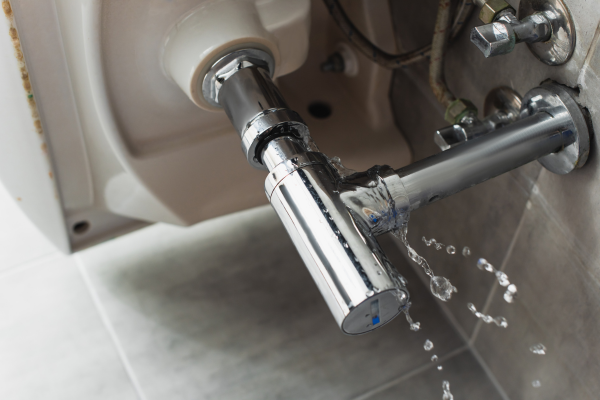 A smart water management system uses technology to monitor, manage, and optimize water usage in a home or building. It integrates with your home’s plumbing infrastructure and employs sensors, controllers, and often smartphone apps or home automation systems to track water flow, usage patterns, and potential leaks.
These systems provide real-time data on how much water is being used, detect issues like leaks, and offer insights into how to improve water efficiency. Some systems can even shut off water to prevent further damage in the event of a leak, making it a crucial tool for both cost-saving and safety.
How Does a Smart Water Management System Work?
A smart water management system works by connecting various sensors and devices to your home’s water supply. These devices can be installed at key points in your plumbing system, including your main water line, individual faucets, showerheads, and appliances like washing machines or dishwashers.
The system typically includes the following components:
- Water Flow Sensors: These sensors monitor the flow of water in real time, detecting any unusual patterns or excessive use.
- Smart Metering: This tracks how much water is being consumed by various household fixtures and appliances, offering detailed insights into water usage.
- Leak Detection Sensors: These sensors detect water leaks and can send alerts to your smartphone, notifying you of potential issues before they cause significant damage.
- Automated Shut-off Valves: These valves can automatically shut off the water supply when a leak is detected, preventing water damage to your property.
- Smartphone or App Interface: The system connects to an app or a central home automation system, allowing you to monitor and control water usage from anywhere.
These systems use advanced algorithms and machine learning to analyze usage data and provide actionable insights, helping you optimize your water consumption and reduce waste.
Benefits of a Smart Water Management System
1. Water Conservation
One of the most significant advantages of a smart water management system is its ability to help conserve water. By tracking usage in real time, these systems provide homeowners with detailed reports on where and how water is being used.
With this data, you can identify areas of high consumption and adjust habits accordingly. For example, you might discover that certain appliances or faucets are using more water than necessary and make adjustments to reduce their impact.
Many smart water systems also offer recommendations for low-flow fixtures, such as showerheads and faucets, and provide alerts when usage exceeds normal levels.
2. Leak Detection and Prevention
Water leaks can be incredibly costly and damaging to your home. A small, undetected leak can result in hundreds or even thousands of dollars in water damage, mold growth, and increased utility bills.
Smart water management systems are equipped with leak detection sensors that can detect even the smallest leak in your plumbing system. When a leak is detected, the system sends an alert to your phone, allowing you to take action before the damage becomes severe.
Some systems go a step further by automatically shutting off the water supply when a leak is detected, preventing further damage and reducing the risk of costly repairs.
3. Cost Savings on Water Bills
Water bills can account for a significant portion of a household’s monthly expenses, especially in areas with high water rates or frequent droughts. By using a smart water management system, homeowners can reduce waste and optimize water consumption, leading to potential savings on their water bills.
With real-time data and detailed insights, you can better understand your water usage patterns and make conscious efforts to reduce unnecessary consumption. In addition, by addressing leaks and inefficient fixtures, you can prevent water wastage and avoid high bills.
4. Improved Home Efficiency
A smart water management system integrates seamlessly with other smart home technologies, helping to streamline overall household efficiency. For example, some systems can be connected to smart thermostats, lighting, and appliances to create an optimized home ecosystem.
By incorporating water usage data into your home automation system, you can create a more energy-efficient and environmentally conscious household. For instance, you could program your irrigation system to water your garden at specific times of day based on weather conditions, ensuring optimal water use.
5. Peace of Mind and Convenience
A smart water management system offers convenience and peace of mind, knowing that your home’s water usage is being monitored 24/7. Whether you’re at home or away, you can easily monitor your water consumption and detect any issues that may arise.
The system’s ability to automatically shut off the water supply in the event of a leak offers additional peace of mind, particularly for homeowners with vacation homes or those who travel frequently.
When Should You Consider a Smart Water Management System?
While the benefits of a smart water management system are clear, it’s important to consider whether it’s the right choice for your home. Here are a few factors to think about:
1. High Water Bills
If you live in an area with high water rates or notice consistently high water bills, a smart water management system could help you track usage and identify areas where you can save. With this data, you can make informed decisions on water conservation and reduce waste.
2. Frequent Leaks
If you’ve experienced multiple leaks in your plumbing system, a smart water system can help you detect and prevent future issues. Early leak detection can save you from costly water damage and repairs.
3. New Construction or Home Renovations
If you’re building a new home or undergoing major renovations, this is a perfect time to install a smart water management system. It can be integrated into your plumbing setup during construction, giving you seamless access to water usage data right from the start.
4. Interest in Smart Home Technology
If you already use smart home devices, a smart water management system can easily integrate into your existing setup. You can monitor water usage via your smartphone, set schedules, and receive alerts, just like you would with your thermostat or security system.
 What to Consider Before Installing a Smart Water Management System
 What to Consider Before Installing a Smart Water Management System
Before installing a smart water management system, consider the following:
- Cost of Installation
While these systems offer long-term savings, there may be an initial installation cost. Make sure to evaluate your budget and determine if the upfront investment aligns with your water usage needs.
- System Compatibility
Not all smart water systems are compatible with every home. Ensure the system you choose is compatible with your existing plumbing and can integrate with your current smart home devices.
Like any system, a smart water management system requires occasional maintenance. While the system itself does most of the work, make sure to regularly check sensors, ensure your app is updated, and take action on any alerts you receive.
Is a Smart Water Management System Worth It?
If you’re ready to optimize your home’s water management, Stack Heating, Cooling, Plumbing, and Electric is here to help. Our team of professionals can assist with installation, integration, and ensuring that your system is working efficiently. Call us at (440) 937-9134 to schedule a visit!
Common FAQs About Water Management Systems
1. How does a smart water management system detect leaks?
These systems use sensors and flow monitoring technology to detect unusual water movement. If abnormal activity is detected, the system can alert homeowners so the issue can be addressed quickly.
2. Can a smart water management system help prevent water damage?
Yes. By detecting leaks early and alerting homeowners, smart water systems can help reduce the risk of water damage caused by unnoticed plumbing issues.
3. Do smart water management systems work with existing plumbing?
Many smart water systems are designed to integrate with existing plumbing setups. A professional plumber can evaluate your system and determine the best installation approach.
4. Can a smart water management system track daily water usage?
Yes. Most systems provide usage data that helps homeowners understand how water is used throughout the home, allowing them to identify potential inefficiencies.
5. Are smart water systems compatible with smart home technology?
Many smart water management systems can integrate with smart home platforms, allowing homeowners to monitor water usage alongside other connected devices.
6. Where are leak detection sensors usually installed?
Leak detection sensors are typically installed near appliances, water heaters, sinks, toilets, washing machines, and other areas where leaks are more likely to occur.
7. Can smart water systems help identify hidden plumbing issues?
Yes. By monitoring water flow patterns, smart systems can help identify unusual activity that may indicate hidden leaks or plumbing problems.
8. Do smart water systems require professional installation?
Professional installation is recommended to ensure the system integrates properly with your plumbing and functions reliably.
9. How do I know if a smart water management system is right for my home?
A plumbing professional can evaluate your home’s plumbing system, water usage patterns, and potential risk areas to determine whether a smart water management system is a good fit.
10. What is a smart water management system?
A smart water management system is a technology-based solution that monitors water usage in your home, detects potential leaks, and provides real-time data through connected devices or mobile apps.

Stack Heating, Cooling, Plumbing & Electric has been serving Northeast Ohio since 1976. What began as a family business specializing in steam and hot-water heating has grown into a trusted provider of complete home comfort solutions, including HVAC, plumbing, and electrical services. With decades of expertise and a commitment to quality, Stack is dedicated to keeping local homes safe, efficient, and comfortable year-round.
