 Skip to content


January 2026 in Northeast Ohio means one thing: brutal cold. With lake-effect snow, subzero wind chills, and temperatures plunging below -10°F, your home’s plumbing faces its greatest threat—frozen pipes. A single burst pipe can cause $5,000+ in water damage in just hours, according to industry estimates. The key to avoiding disaster? Understanding what makes the pipes freeze in your house and taking action with professional winter plumbing services. At Stack Heating, Cooling, Plumbing & Electric, we’ve protected Cleveland homes for over 49 years with expert winter plumbing solutions. We will reveal the science behind frozen pipes, the hidden risks in Northeast Ohio homes, and how winter plumbing services keep your pipes flowing all season.
 The Science: How Pipes Freeze in Subzero Conditions
 The Science: How Pipes Freeze in Subzero Conditions
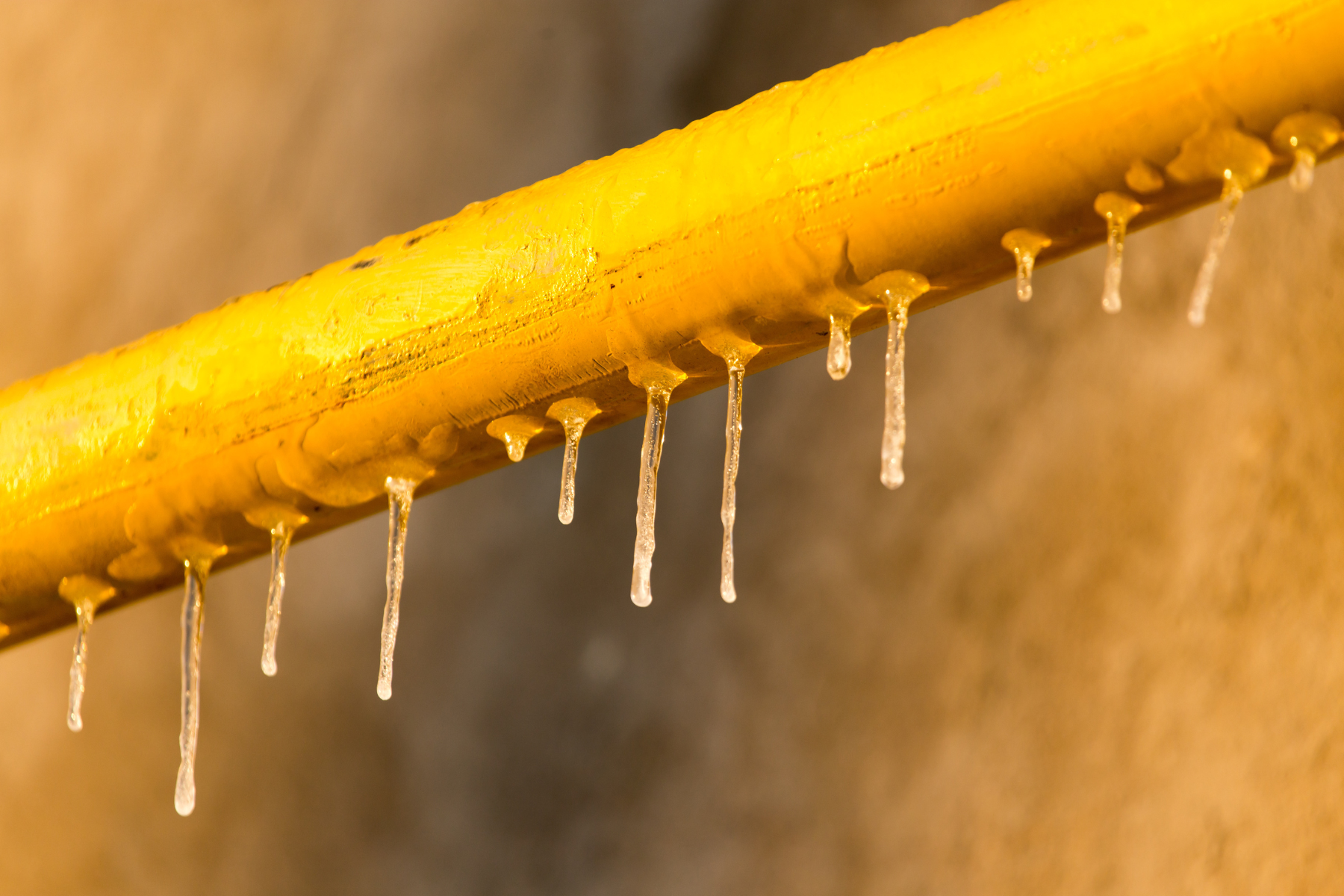
Water freezes at 32°F, but your pipes don’t need to hit that temperature to burst. When water inside a pipe cools to 20°F or lower, it begins to expand as ice forms. This expansion creates pressure up to 40,000 PSI—enough to crack copper, steel, or PEX tubing in seconds.
In Northeast Ohio, winter plumbing risks skyrocket because outdoor temperatures often drop 30–40°F below freezing for days at a time. Pipes in unheated areas—attics, crawl spaces, exterior walls, or garages—lose heat rapidly. Without insulation or circulation, water sits stagnant and freezes solid. Once ice forms, it blocks flow and builds pressure until the pipe splits.
Stack Heating’s trained plumbers use thermal imaging during winter plumbing services to detect cold spots before ice forms. Early intervention prevents the freeze-thaw cycle that destroys plumbing systems.
Top 5 Reasons Pipes Freeze in Northeast Ohio Homes
- Uninsulated Pipes in Cold Zones
Pipes running through attics, crawl spaces, or along exterior walls have little protection. In January, these areas can drop to 0°F or lower, freezing water in minutes. Stack Heating wraps pipes with foam sleeves and heat tape during winter plumbing services to maintain safe temperatures. - Thermostat Set Too Low
Homeowners often lower heat to 55°F when away. But in unheated zones, indoor air can still fall below freezing. Stack recommends 60–62°F minimum and installs Wi-Fi thermostats to monitor remotely via winter plumbing services. - Poorly Sealed Foundation or Wall Gaps
Cold air infiltrates through cracks, cooling pipes rapidly. Stack Heating seals gaps with expanding foam and caulk as part of winter plumbing inspections. - Stagnant Water in Rarely Used Fixtures
Guest bathrooms or basement sinks see little use. Water sits and freezes. Stack advises dripping faucets and schedules winter plumbing services to flush lines. - Outdated or Exposed Outdoor Faucets
Frost-free sillcocks fail over time. Stack can replace them with new models and disconnect hoses during winter plumbing visits.
Hidden Dangers of Frozen Pipes Beyond Water Damage
A burst pipe isn’t just a mess—it’s a health and safety hazard. Flooding breeds mold within 24–48 hours, per the EPA. Electrical shorts occur when water contacts wiring. And in January, repair delays due to storm-related road closures can leave homes without water for days.
Stack Heating’s winter plumbing services include emergency response. Our plumbers arrive with pipe thawers, wet vacs, and repair kits to restore service fast—even during blizzards.
How Stack Heating’s Winter Plumbing Services Prevent Freezing
Our trained plumbers follow a proven process to protect your home:
- Thermal Scan – Identify cold pipes with infrared cameras
- Insulate Exposed Lines – Foam sleeves, heat tape, and pipe jackets
- Seal Air Leaks – Caulk gaps in foundation, walls, and cabinets
- Upgrade Outdoor Faucets – Install frost-free sillcocks
- Flush Stagnant Lines – Prevent ice in rarely used fixtures
- Test Pressure & Flow – Ensure system readiness for deep freezes
Warning Signs Your Pipes Are About to Freeze
Act fast if you notice:
- Frost on exposed pipes
- Reduced water pressure
- No water from faucets
- Clanking noises in pipes
Call Stack Heating immediately. Our winter plumbing services include 24/7 emergency thawing to save your pipes before they burst.
DIY Winter Plumbing Tips (Always Follow with Professional Services)
While winter plumbing services are essential, these steps help:
- Let faucets drip during extreme cold
- Open cabinet doors under sinks
- Keep garage doors closed
- Disconnect garden hoses
- Set thermostat no lower than 55°F
But don’t rely on DIY alone. Stack Heating’s winter plumbing expertise ensures no risk is overlooked.
Why Northeast Ohio Homes Are Especially Vulnerable
Cleveland’s older housing stock—many homes pre-1980—features uninsulated walls and crawl spaces. Lake-effect snow creates prolonged subzero stretches, unlike milder winters elsewhere. And Ohio’s clay soil shifts, stressing underground pipes.
Stack Heating tailors winter plumbing services to these local challenges, using heavy-duty insulation and foundation sealing proven in Northeast Ohio conditions.
When to Schedule Winter Plumbing Services
| Timing | Action |
|---|---|
| Fall (Sep–Nov) | Full winter plumbing prep |
| January 2026 | Mid-season inspection after early freezes |
January slots fill fast. Book now to avoid emergency fees.
Real January Nightmare Avoided
 Real January Nightmare Avoided
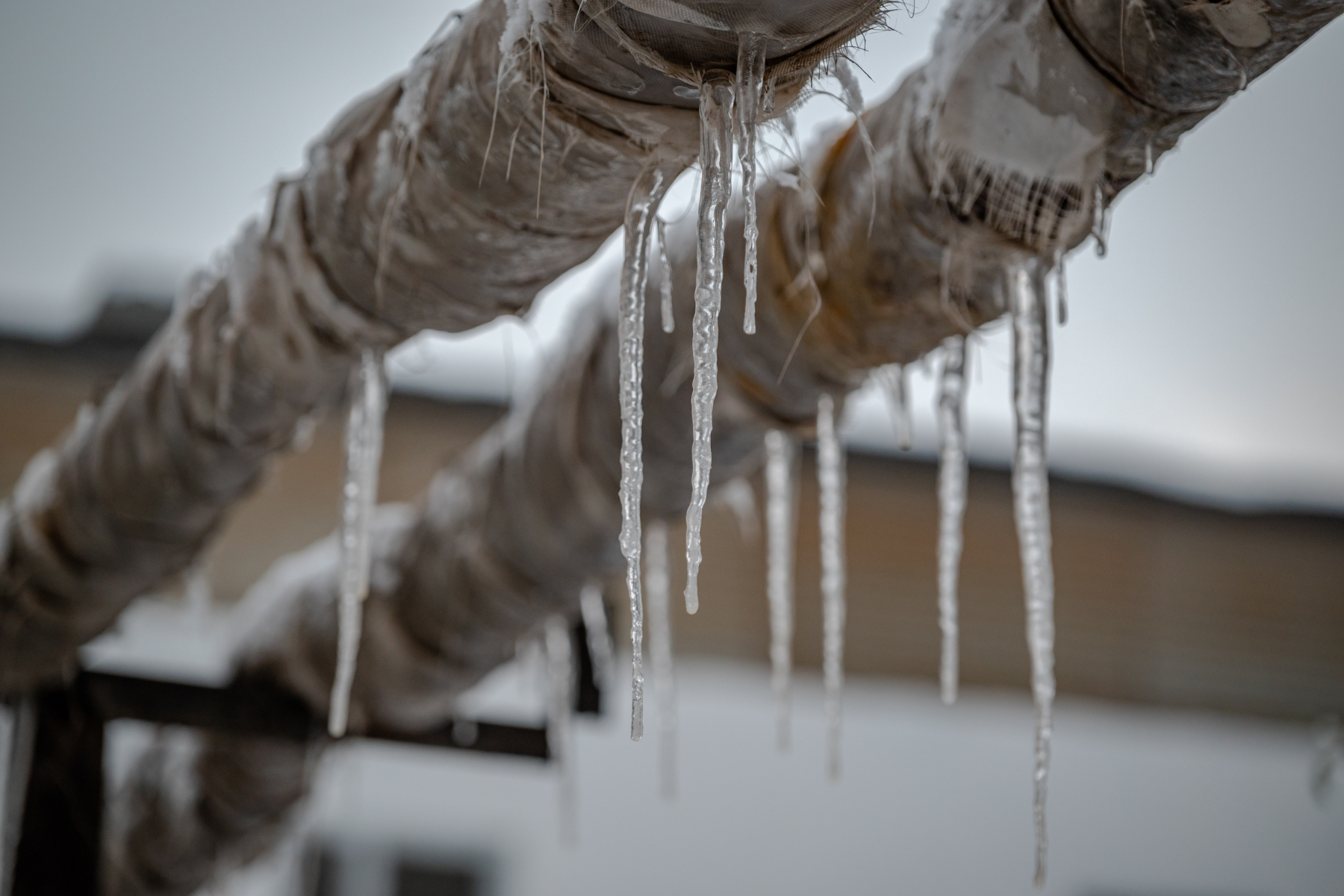
“We woke up to no water on January 3rd. Stack Heating arrived in 40 minutes, thawed our crawl space pipes, and insulated them on the spot. No burst, no flood. Lifesavers!” – The Thompson Family, Cleveland
Stop Frozen Pipes with Winter Plumbing Services
What makes the pipes freeze in your house? Cold air, poor insulation, and neglected maintenance. Don’t wait for the burst. Contact Stack Heating today (440) 937-9134 or visit our website for your winter plumbing services. With 49 years of experience, we’re Cleveland’s trusted defense against frozen pipes.
Common FAQs About Frozen Pipes
1. What makes the pipes freeze in my house during January?
Pipes freeze when water inside cools to 20°F or lower, expanding into ice and building pressure up to 40,000 PSI—enough to burst copper or PEX in subzero Northeast Ohio cold.
2. Why are Northeast Ohio homes more prone to frozen pipes?
Older Cleveland homes with uninsulated crawl spaces, exterior walls, and prolonged lake-effect freezes create perfect conditions for winter plumbing disasters.
3. How do winter plumbing services prevent pipes from freezing?
Stack Heating insulates pipes, seals air leaks, installs heat tape, and uses thermal imaging to stop freezing before it starts.
4. What are the biggest risks of frozen pipes in January 2026?
A single burst pipe causes $5,000+ in water damage, mold growth, electrical shorts, and days without water—Stack’s winter plumbing services prevent all of it.
5. How does Stack Heating find pipes at risk during winter plumbing services?
Trained plumbers use infrared thermal cameras to detect cold spots in attics, crawl spaces, and exterior walls before ice forms.
6. Why is pipe insulation critical for winter plumbing in Cleveland?
Foam sleeves and heat tape keep pipes above freezing even in 0°F garages or attics—Stack installs them during winter plumbing services.
7. What should I do if I see frost on my pipes in January?
Call Stack Heating immediately. Frost means freezing is imminent—our winter plumbing services include emergency thawing to prevent bursting.
8. How often should I schedule winter plumbing services?
Fall for full prep, plus a January 2026 mid-winter check after early freezes. Stack Heating ensures your system survives the coldest months.
9. Why hire Stack Heating for winter plumbing services in Northeast Ohio?
With 49 years of experience, 24/7 emergency response, and expert insulation, Stack protects Cleveland homes when pipes are most vulnerable.
10. When is the best time to book winter plumbing services for 2026?
Now. Contact Stack Heating to secure your spot and avoid emergency fees.

Stack Heating, Cooling, Plumbing & Electric has been serving Northeast Ohio since 1976. What began as a family business specializing in steam and hot-water heating has grown into a trusted provider of complete home comfort solutions, including HVAC, plumbing, and electrical services. With decades of expertise and a commitment to quality, Stack is dedicated to keeping local homes safe, efficient, and comfortable year-round.
