 Skip to content


A toilet is one of the most frequently used fixtures in any home, yet most homeowners don’t think about it until something goes wrong. While minor issues like a simple clog or a running toilet may seem manageable, certain problems require immediate professional attention. Knowing the difference between a small inconvenience and a true plumbing emergency can help protect your home from water damage, sanitation issues, and costly repairs.
Emergency toilet problems can escalate quickly. Water leaks, sewer backups, or continuous overflows can damage flooring, subflooring, walls, and nearby fixtures. Acting quickly—and calling a licensed plumber when necessary—can prevent a stressful situation from becoming a major repair.
Why Toilet Emergencies Shouldn’t Be Ignored
Toilets are directly connected to your home’s plumbing and sewer systems. When something goes wrong, it often affects more than just the fixture itself.
Emergency toilet issues can lead to:
- Water damage to floors and drywall
- Damage to the subfloor or structural materials
- Mold or mildew growth from prolonged moisture
- Unsanitary conditions due to wastewater exposure
- Increased water usage and higher utility bills
Because toilets combine water supply and drainage systems in one fixture, a malfunction can create both clean-water and wastewater concerns at the same time.
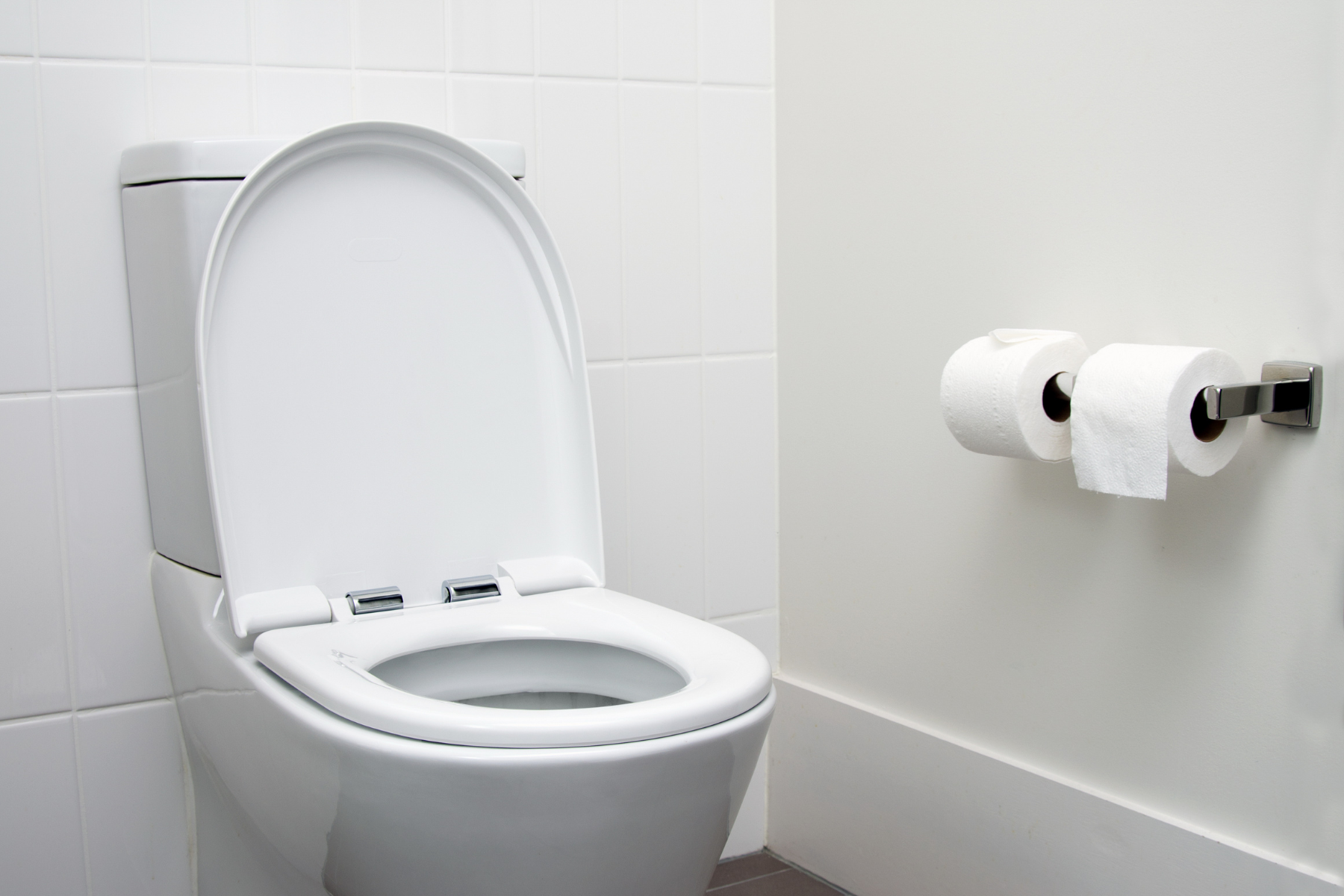 Common Toilet Problems vs. Plumbing Emergencies
Not every toilet issue requires an emergency call. However, some problems go beyond routine inconvenience and demand professional help.
Here’s how to tell the difference.
Minor Issues (Often Non-Emergency)
These issues may not require immediate emergency service but should still be addressed:
- A toilet that runs continuously but doesn’t overflow
- A single clog that clears with a plunger
- Minor condensation on the tank
- A slow refill after flushing
While these problems shouldn’t be ignored, they usually allow time to schedule a standard plumbing visit.
True Toilet Emergencies
These situations require immediate attention:
- Toilet overflowing and won’t stop
- Water leaking from the base of the toilet
- Sewage backing up into the bowl
- Cracked tank or bowl leaking water
- Multiple drains backing up in the home
- No water flow when flushing combined with other plumbing issues
These signs indicate a larger plumbing problem that could quickly cause damage.
Toilet Overflow That Won’t Stop
An overflowing toilet is one of the most urgent plumbing issues. While plunging may solve minor clogs, an overflow that continues despite attempts to clear it signals a deeper blockage.
Immediate steps you can take:
- Turn off the water supply valve behind the toilet.
- Avoid repeated flushing.
- Contain any water to minimize damage.
If the water does not recede or if overflow continues, call a professional plumber right away.
Persistent overflow may indicate:
- A blockage deep in the drain line
- A main sewer line issue
- A malfunctioning internal component
Attempting to force the clog with chemicals or excessive plunging can worsen the problem.
Water Leaking Around the Base
Water pooling around the base of the toilet is not normal and should never be ignored. This often indicates a failed wax ring seal or loose mounting bolts.
A compromised seal can allow wastewater to seep beneath the toilet and into the subfloor. Over time, this can cause:
- Rotting wood
- Soft or unstable flooring
- Structural weakening
- Odor issues
Even if the leak seems small, it can cause significant hidden damage. Professional repair ensures the toilet is properly resealed and secured.
Sewage Backups
If wastewater rises into the toilet bowl without flushing—or if flushing causes water to back up—this may indicate a sewer line blockage.
Warning signs of a potential sewer line issue include:
- Gurgling sounds in drains
- Slow drainage in multiple fixtures
- Water backing up in tubs or sinks when the toilet is flushed
Sewer backups are serious and require immediate professional attention. They pose health risks and can quickly damage your home.
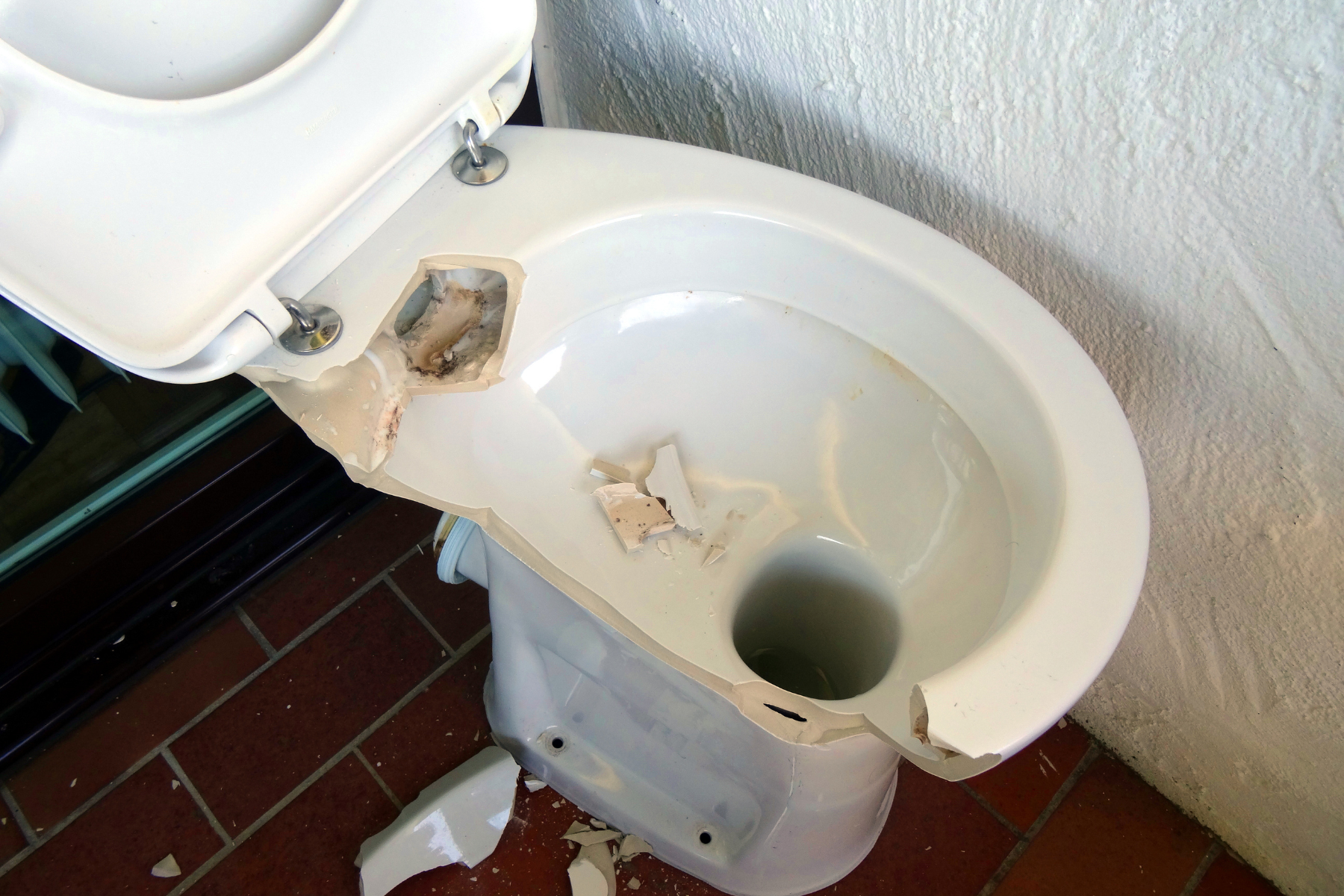
Cracked Toilet Tank or Bowl
Porcelain cracks may appear minor at first but can lead to sudden leaks or even structural failure.
A cracked tank can:
- Leak water continuously
- Fail under pressure
- Flood the surrounding area
A cracked bowl may:
- Leak wastewater
- Compromise structural integrity
- Become unsafe to use
If you notice visible cracks, call a plumber promptly. Replacement may be necessary.
Constant Running Water with High Water Bills
A toilet that runs continuously may not seem like an emergency, but if left unresolved, it can significantly increase water usage. While worn flappers or faulty fill valves are common causes, ongoing running water can also indicate internal component failure.
If simple adjustments don’t resolve the issue, professional repair ensures proper diagnosis and long-term reliability.
When Multiple Plumbing Fixtures Are Affected
If toilet problems coincide with issues in sinks, tubs, or showers, the problem may extend beyond the toilet itself.
Multiple affected fixtures can indicate:
- A clogged main drain line
- Sewer system issues
- Venting problems
These situations require professional equipment and expertise to diagnose and resolve.
Why DIY Emergency Repairs Can Be Risky
While minor clogs can sometimes be resolved with a plunger, many emergency toilet problems require more than surface-level fixes.
DIY risks include:
- Damaging pipes with improper tools
- Using chemical drain cleaners that corrode plumbing
- Missing underlying sewer line issues
- Causing further leaks during attempted repairs
Professional plumbers have specialized equipment such as drain cameras and professional-grade clearing tools to address problems accurately.
What to Expect from Professional Emergency Toilet Repairs
When you call a licensed plumber, the goal is not just to stop the immediate issue but to identify the root cause.
Professional service may include:
- Inspecting internal components
- Evaluating drain lines
- Checking water supply connections
- Testing seals and mounting stability
- Inspecting for hidden water damage
The plumber ensures the repair is complete and safe.
Preventing Future Toilet Emergencies
While not all emergencies are preventable, routine maintenance can reduce risk.
Avoid Flushing Non-Flushable Items
Even products labeled as “flushable” can contribute to clogs. Toilets are designed to handle human waste and toilet paper only.
Address Small Leaks Promptly
Minor leaks can signal larger issues developing inside the tank or beneath the fixture.
Schedule Routine Plumbing Inspections
Professional plumbing inspections can catch worn components or early signs of drain problems before they escalate.
Be Aware of Warning Signs
Slow drainage, gurgling sounds, or recurring clogs should not be ignored.
When to Call Immediately
You should call a plumber immediately if:
- Water is actively overflowing
- Sewage is backing up
- You see water leaking from the base
- There is visible cracking in the porcelain
- Multiple drains are affected
- You cannot shut off the water supply
Acting quickly can limit damage and restore functionality faster.
 The Importance of Professional Plumbing Expertise
Emergency plumbing issues can be stressful. Having access to a trusted, experienced plumbing team provides reassurance that the issue will be handled safely and correctly.
Stack Heating, Cooling, Plumbing, and Electric provides professional plumbing services designed to resolve urgent toilet issues and prevent further damage.
With trained professionals and proper diagnostic tools, you can avoid guesswork and ensure long-term reliability.
Need Emergency Toilet Repairs?
If you’re dealing with a toilet overflow, leak, or suspected sewer issue, contact Stack Heating, Cooling, Plumbing, and Electric or call (440) 937-9134.
Common FAQs About Emergency Toilet Repairs
-
What qualifies as a toilet plumbing emergency?
A toilet emergency includes situations like uncontrollable overflow, sewage backup, water leaking from the base, a cracked tank or bowl, or multiple drains backing up in your home.
-
What should I do if my toilet is overflowing?
Turn off the water supply valve behind the toilet immediately and avoid flushing again. If the water does not recede or continues rising, call a plumber right away.
-
Is water leaking around the base of the toilet serious?
Yes. Water around the base often indicates a failed wax ring seal or loose mounting bolts. Ignoring it can lead to subfloor damage and hidden moisture issues.
-
Can a clogged toilet become a bigger plumbing problem?
Yes. If the clog is deep in the drain line or part of a larger sewer issue, it can lead to repeated backups or affect other fixtures in the home.
-
Why does my toilet gurgle when I flush?
Gurgling sounds can indicate venting problems or a blockage in the drain line. If this happens along with slow drainage, a professional inspection is recommended.
-
Should I use chemical drain cleaners to fix a toilet clog?
Chemical drain cleaners can damage pipes and may not resolve deeper blockages. Professional tools and inspection methods are safer and more effective.
-
What causes sewage to back up into a toilet?
Sewage backups are often caused by blockages in the main sewer line, damaged pipes, or severe drain clogs. This requires immediate professional service.
-
Can a cracked toilet tank be repaired?
In most cases, cracked tanks need to be replaced. Even small cracks can worsen and lead to leaks or sudden failure.
-
How can I prevent emergency toilet repairs?
Avoid flushing non-flushable items, address minor leaks early, schedule routine plumbing inspections, and pay attention to slow drainage or recurring clogs.
-
When should I call a plumber instead of trying to fix it myself?
Call a plumber if water is overflowing, sewage is backing up, leaks are persistent, multiple fixtures are affected, or you’re unsure of the cause.

Stack Heating, Cooling, Plumbing & Electric has been serving Northeast Ohio since 1976. What began as a family business specializing in steam and hot-water heating has grown into a trusted provider of complete home comfort solutions, including HVAC, plumbing, and electrical services. With decades of expertise and a commitment to quality, Stack is dedicated to keeping local homes safe, efficient, and comfortable year-round.
