 Skip to content


When the rain falls heavily, and the water starts rising around your home, your sump pump works tirelessly to prevent flooding and water damage. It’s a crucial component in protecting your basement or crawl space from water intrusion. But like all mechanical systems, sump pumps are prone to wear and tear. Ignoring signs that your sump pump needs repair can lead to costly water damage and potential structural issues in your home.
We’ll explore the most common signs that your sump pump needs repair. By being aware of these signs, you can address issues early and avoid the hassle and expense of extensive water damage.
What Is a Sump Pump?
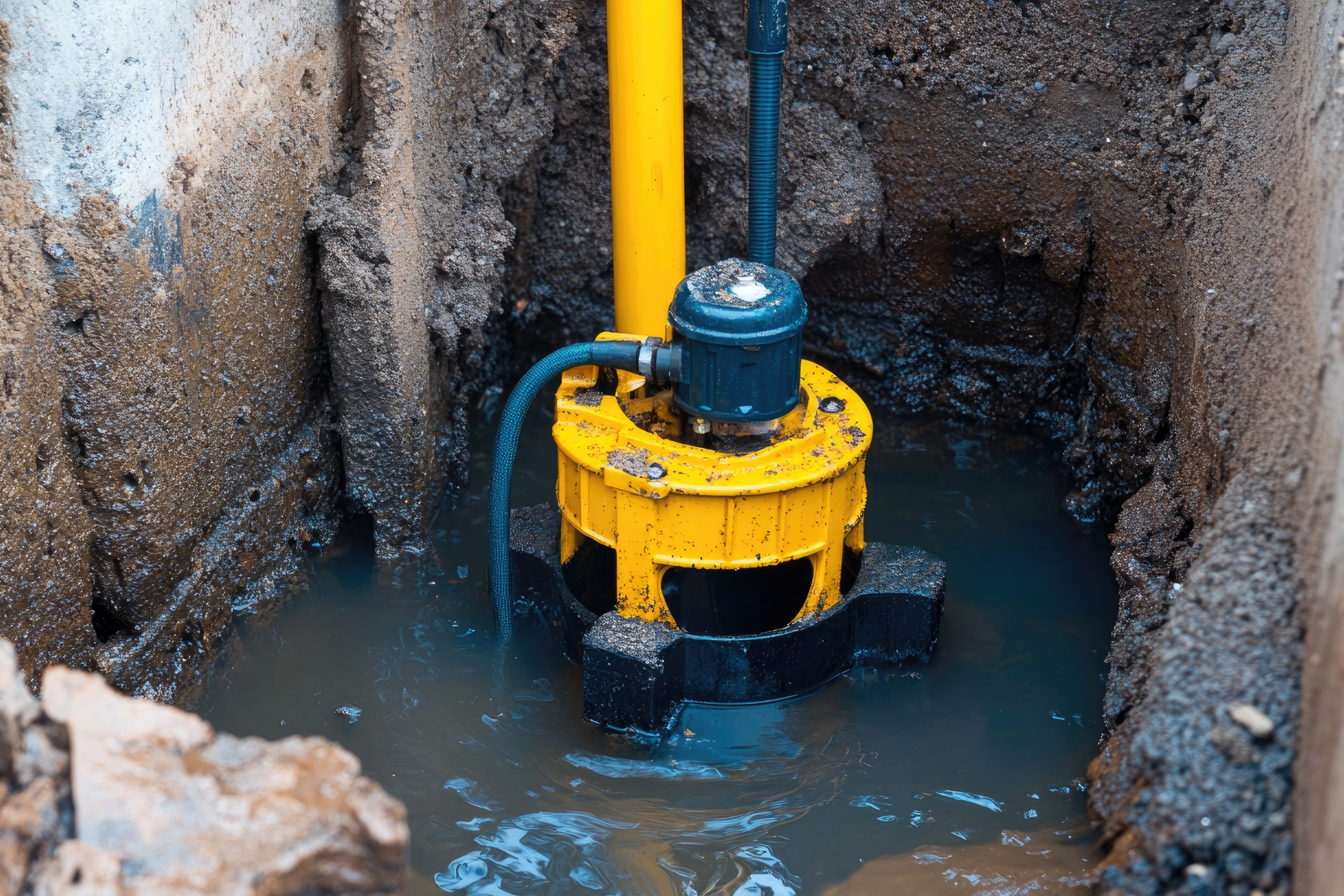 Before we dive into the signs that your sump pump may need repair, let’s quickly define what it is. A sump pump is a device installed in the lowest part of your home’s basement or crawl space to remove water that may accumulate. It collects water through a drain system and pumps it away from your home to prevent flooding and water damage.
Regular maintenance and proper functioning of your sump pump are crucial to keeping your home dry. If it stops working when you need it most, you could be facing significant damage.
Common Signs You Need Sump Pump Repair
1. Pump Doesn’t Turn On
If your sump pump fails to turn on when needed, it’s a clear sign that there’s an issue. The pump’s float switch is responsible for turning it on and off based on water levels. If this switch is malfunctioning, the pump won’t activate even if there’s water in the basin.
Possible Causes:
- The float switch may be stuck.
- A malfunction in the electrical components.
- The pump motor may have burned out.
Solution: Ensure the float switch moves freely. If the float switch isn’t the issue, check the power source. A licensed technician may need to inspect the pump if the problem persists.
2. Frequent Cycling
A sump pump that cycles on and off repeatedly, also known as “short cycling,” is a common issue. This could indicate that your pump is overworked or there’s a malfunction.
Possible Causes:
- The float switch may be malfunctioning and not detecting water properly.
- The discharge line may be clogged, preventing the water from being pumped out.
- The pump may be too small for the size of your sump pit.
Solution: Check the float switch for any obstructions or damage. Inspect the discharge pipe for blockages and clear it. If these don’t resolve the issue, you may need to upgrade your pump or have a professional look at it.
3. Strange Noises or Vibrations
If your sump pump is making strange noises, such as grinding, rattling, or high-pitched squealing, it’s usually a sign of a mechanical issue.
Possible Causes:
- The pump’s impeller could be damaged or clogged.
- There may be debris stuck inside the pump.
- The bearings in the motor could be worn out.
Solution: Start by turning off the power to the sump pump and removing any debris. If the noise persists, a professional inspection may be required to replace the impeller or motor components.
4. Sump Pump Runs Continuously
A sump pump that runs continuously without shutting off, even when there’s no rain or excess water, is another clear indicator of an issue. This can lead to overheating and eventual pump failure.
Possible Causes:
- The float switch could be stuck in the “on” position.
- The discharge line may be blocked or frozen.
- The pump could be improperly sized for the sump pit.
Solution: Inspect the float switch for obstructions or debris that could be causing it to get stuck. Check the discharge pipe for blockages, particularly during the colder months when freezing can occur. If necessary, have a professional check the pump’s size relative to the pit.
5. Water in the Basement or Crawl Space
If your basement or crawl space is consistently wet, even after the sump pump has run, it could indicate that your pump isn’t performing as it should. The pump may be running, but it’s not effectively removing water.
Possible Causes:
- The sump pump may not have enough power to handle the water volume.
- The discharge pipe may be clogged or leaking.
- There could be a problem with the check valve, causing water to flow back into the sump pit.
Solution: Check for any blockages or leaks in the discharge pipe. Ensure that the check valve is functioning correctly. If the issue persists, it may be time for a replacement pump with more power or capacity.
6. Visible Cracks or Rust on the Pump
Inspecting your sump pump regularly is essential. If you notice visible signs of wear, such as cracks, rust, or corrosion, your pump is at risk of failure. Over time, these damages can impair the pump’s functionality.
Possible Causes:
- Long-term exposure to water and humidity.
- Wear and tear from continuous use.
- Poor-quality materials used in the construction of the pump.
Solution: If you see cracks or rust on the pump, it’s time for a replacement. In some cases, cleaning and minor repairs may suffice, but it’s better to replace a damaged pump to avoid larger issues.
7. Sump Pump Has Been in Place for Over 10 Years
Sump pumps typically last around 10 years with proper maintenance. If your pump is nearing or has surpassed this age, you may start encountering more frequent issues. Even with regular service, older pumps are more prone to malfunctioning.
Solution: Consider replacing an old sump pump to avoid unexpected breakdowns. Newer models are often more efficient, have better technology, and come with a longer lifespan.
8. The Pump Is Not Expelling Water
If your sump pump is running, but it’s not expelling any water, it could indicate that the impeller is jammed, or there’s an issue with the internal components of the pump.
Possible Causes:
- Clogged impeller or discharge pipe.
- A faulty motor.
- Broken or malfunctioning check valve.
Solution: Turn off the power and inspect the impeller for debris. If the impeller is clear, but the pump still isn’t working, it may be time to replace or repair the pump’s motor.
9. The Pump Is Too Small for Your Basement
Sometimes, homeowners install a sump pump that is undersized for their needs. A pump that is too small for the water volume in your sump pit will be ineffective during heavy rain or snowmelt.
Possible Causes:
- The sump pump may not be powerful enough to handle high water levels.
- The basin may be too small to store the water that needs to be pumped out.
Solution: Consider upgrading your sump pump to one that matches your home’s needs. A professional can assess your home’s water drainage situation and recommend a properly sized pump.
10. Sump Pump Runs But Doesn’t Discharge Water
If your sump pump runs, but the water isn’t draining away from your home, the problem likely lies in the discharge line or check valve.
Possible Causes:
- The discharge line is clogged, blocked, or frozen.
- The check valve is malfunctioning, causing water to flow back into the pit.
Solution: Inspect the discharge line for clogs, and remove any blockages. Make sure the check valve is working correctly to prevent backflow.
 How to Maintain Your Sump Pump
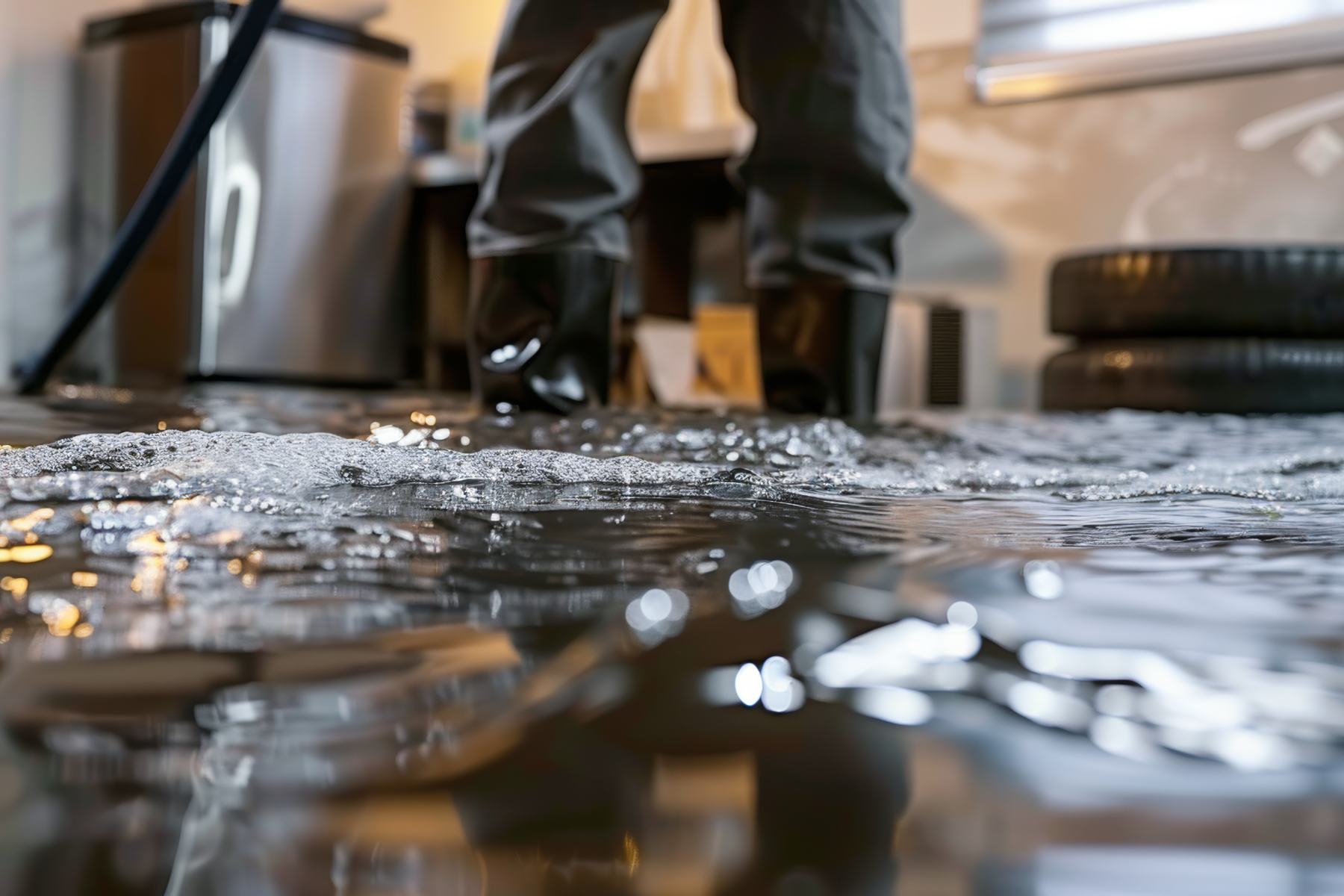 How to Maintain Your Sump Pump
Regular maintenance can help extend the life of your sump pump and prevent many of the issues mentioned above. Here are some tips:
- Test the pump regularly by pouring water into the sump pit to see if it activates.
- Clean the sump pit to remove any debris that could clog the pump.
- Inspect the discharge line regularly to ensure it’s clear of blockages.
- Check the float switch to ensure it moves freely.
- Schedule professional inspections annually to identify issues early.
Sump Pump Repair by Stack
Visit Stack Heating, Cooling, Plumbing & Electric to schedule your sump pump inspection or repair. Our experienced team is here to ensure your home stays dry and safe all year long. Don’t wait until it’s too late, contact us today!

Stack Heating, Cooling, Plumbing & Electric has been serving Northeast Ohio since 1976. What began as a family business specializing in steam and hot-water heating has grown into a trusted provider of complete home comfort solutions, including HVAC, plumbing, and electrical services. With decades of expertise and a commitment to quality, Stack is dedicated to keeping local homes safe, efficient, and comfortable year-round.
