 Skip to content


Summer in Cleveland can bring warm temperatures, humidity, and long days when homeowners rely heavily on their air conditioning systems. When an air conditioner suddenly stops working, it can quickly disrupt comfort and create frustration for everyone in the home. While some cooling problems have simple causes, others require professional diagnosis and repair.
At Stack Heating, Cooling, Plumbing, and Electric, we understand how important a reliable air conditioning system is during the summer months. Knowing what to do when your air conditioner breaks can help you stay calm, avoid unnecessary damage, and get your home comfortable again as quickly as possible.
Start by Checking the Thermostat
Before assuming there is a major problem, check the thermostat settings. It may sound obvious, but thermostat issues are sometimes responsible for cooling complaints.
Make sure:
- The thermostat is set to “Cool”
- The temperature setting is below the current room temperature
- The display is functioning properly
- Batteries are replaced if applicable
If the thermostat appears to be working correctly but the system still does not respond, it is time to continue troubleshooting.
 Check the Air Filter
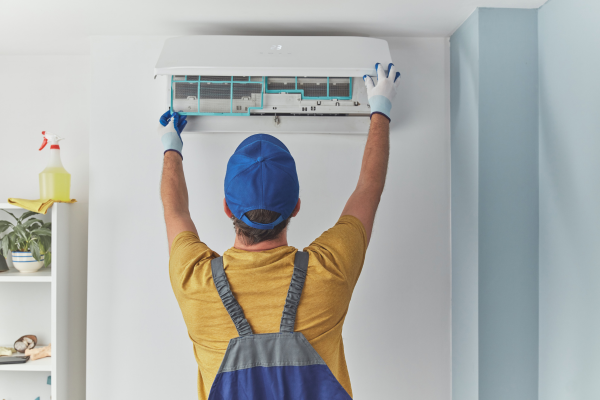 Check the Air Filter
A dirty air filter is one of the most common causes of HVAC performance problems. When the filter becomes clogged with dust and debris, airflow can be restricted throughout the system.
Poor airflow can contribute to:
- Reduced cooling performance
- Longer run times
- Frozen evaporator coils
- Increased strain on HVAC components
If the filter appears dirty, replace it with the correct size and type recommended for your system. Even if a clogged filter is not the sole cause of the issue, replacing it can improve system performance.
Inspect the Circuit Breaker
Air conditioners require electricity to operate. Sometimes a breaker may trip and prevent the system from running.
Locate your home’s electrical panel and check whether the breaker connected to the air conditioner has tripped. If it has, reset it once.
If the breaker trips repeatedly, avoid continuing to reset it. Frequent breaker trips can indicate an electrical problem that should be evaluated by a professional technician.
Make Sure the Outdoor Unit Is Clear
The outdoor condenser unit plays a critical role in the cooling process. If airflow around the unit becomes restricted, the system may struggle to cool properly.
Check for:
- Grass clippings
- Leaves
- Branches
- Dirt buildup
- Other debris surrounding the unit
Keeping the area around the condenser clear can help improve airflow and system efficiency.
Look for Ice on the System
If you notice ice on refrigerant lines, the indoor coil, or other parts of the air conditioning system, turn the system off and allow it to thaw.
Ice formation may be caused by:
- Restricted airflow
- Dirty air filters
- Refrigerant issues
- Mechanical problems
Continuing to run a frozen system can lead to additional damage. Once the ice has melted, contact a qualified HVAC technician to determine the cause.
Listen for Unusual Sounds
Air conditioners typically produce a consistent operating sound. Unusual noises can indicate that something is wrong.
Sounds that may require professional attention include:
- Grinding
- Squealing
- Banging
- Buzzing
- Clicking
These noises can point to worn components, electrical issues, loose parts, or motor problems. Addressing them promptly may help prevent more extensive repairs.
Pay Attention to Airflow
Sometimes the air conditioner is running, but little air is coming from the vents.
Weak airflow may be caused by:
- Dirty filters
- Blower motor issues
- Ductwork problems
- Frozen coils
Walk through your home and check several vents. If airflow is weak throughout the house, the issue likely requires professional inspection.
Watch for Water Leaks
Air conditioners naturally produce condensation during operation. However, visible water around the indoor unit may indicate a problem.
Potential causes include:
- Clogged condensate drain lines
- Drain pan issues
- Frozen coils that have thawed
- Improper drainage
Water around the HVAC system should not be ignored because it can lead to moisture damage and other complications.
What Not to Do When Your AC Breaks
When an air conditioner stops working, homeowners often try to solve the problem immediately. While basic troubleshooting is appropriate, some actions can make the situation worse.
Avoid:
- Repeatedly resetting breakers
- Continuing to operate a frozen system
- Opening sealed HVAC components
- Handling refrigerant lines
- Attempting electrical repairs without training
Modern air conditioning systems contain electrical components and pressurized refrigerant systems that should be serviced by trained professionals.
Why Professional Diagnosis Matters
Many AC problems produce similar symptoms. For example, weak airflow may be caused by a clogged filter, a frozen coil, duct issues, or a blower motor problem.
Without proper diagnostic tools, it can be difficult to determine the actual cause.
Professional HVAC technicians can:
- Inspect system components
- Test electrical connections
- Evaluate refrigerant performance
- Check airflow levels
- Identify worn or damaged parts
Accurate diagnosis helps ensure the correct repair is made the first time.
Preventing Future AC Breakdowns
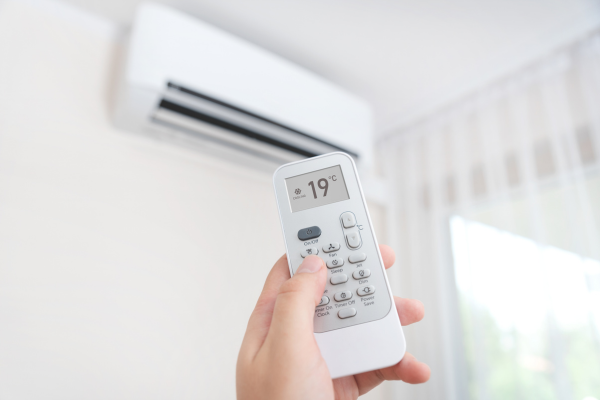 Preventing Future AC Breakdowns
While not every repair can be prevented, routine maintenance plays a major role in keeping air conditioning systems operating reliably.
Regular maintenance may include:
- Replacing air filters
- Cleaning coils
- Checking refrigerant performance
- Inspecting electrical components
- Testing thermostat operation
- Verifying airflow
Preventive service allows technicians to identify developing issues before they lead to unexpected breakdowns.
Signs You Should Call a Professional Immediately
While some issues can be resolved with basic troubleshooting, certain symptoms require prompt professional attention.
Contact an HVAC technician if:
- The system will not turn on
- Warm air is coming from the vents
- Ice forms on the unit
- The breaker repeatedly trips
- Water is leaking around the system
- Unusual noises occur
- Airflow is extremely weak
- Cooling performance suddenly declines
Addressing these issues early may help prevent further damage to the system.
Trust Stack Heating, Cooling, Plumbing, and Electric for AC Service
If your air conditioner is not working properly, contact Stack Heating, Cooling, Plumbing, and Electric at (440) 937-9134 or visit our services to schedule professional HVAC service.
10 FAQs
1. What should I do first if my air conditioner stops working?
Start by checking the thermostat settings, ensuring it is set to “Cool” and that the temperature is lower than the current room temperature.
2. Can a dirty air filter cause my AC to stop cooling?
Yes. A clogged air filter can restrict airflow, reduce cooling performance, and potentially cause system components to freeze.
3. Why is my air conditioner running but not blowing cold air?
Several issues can cause this, including dirty filters, refrigerant problems, frozen coils, thermostat issues, or electrical component failures.
4. Should I reset my circuit breaker if my AC stops working?
You can check and reset a tripped breaker once. If the breaker continues to trip, contact a professional HVAC technician to inspect the system.
5. What does it mean if there is ice on my air conditioner?
Ice buildup can indicate airflow restrictions, refrigerant issues, or other mechanical problems. Turn off the system and have it inspected by a professional.
6. Why is my air conditioner making unusual noises?
Grinding, banging, squealing, buzzing, or clicking sounds may indicate worn parts, loose components, electrical issues, or motor problems.
7. Is water leaking around my AC unit a serious problem?
Water leaks should not be ignored. They may be caused by clogged condensate drains, frozen coils, or drainage issues that require professional attention.
8. When should I call an HVAC professional?
You should call a technician if your system won’t turn on, blows warm air, develops ice, leaks water, makes unusual noises, or experiences weak airflow.
9. Can regular maintenance help prevent AC breakdowns?
Yes. Routine maintenance can help identify developing issues, improve system performance, and reduce the likelihood of unexpected breakdowns.
10. Why is professional diagnosis important for AC problems?
Many air conditioning issues have similar symptoms. A professional technician can accurately identify the root cause and recommend the proper repair.

Stack Heating, Cooling, Plumbing & Electric has been serving Northeast Ohio since 1976. What began as a family business specializing in steam and hot-water heating has grown into a trusted provider of complete home comfort solutions, including HVAC, plumbing, and electrical services. With decades of expertise and a commitment to quality, Stack is dedicated to keeping local homes safe, efficient, and comfortable year-round.
