 Skip to content


When the clocks move forward and winter finally loosens its grip, spring brings more than longer days and warmer temperatures. It’s also a critical transition period for your home. Systems that worked hard all winter—your heating equipment, plumbing, and electrical system—now face new demands as temperatures rise, water usage changes, and energy consumption shifts.
Spring is the ideal time to take a proactive approach to home maintenance. Addressing HVAC, plumbing, and electrical needs now can help prevent breakdowns, improve efficiency, and keep your home comfortable and safe throughout the warmer months ahead.
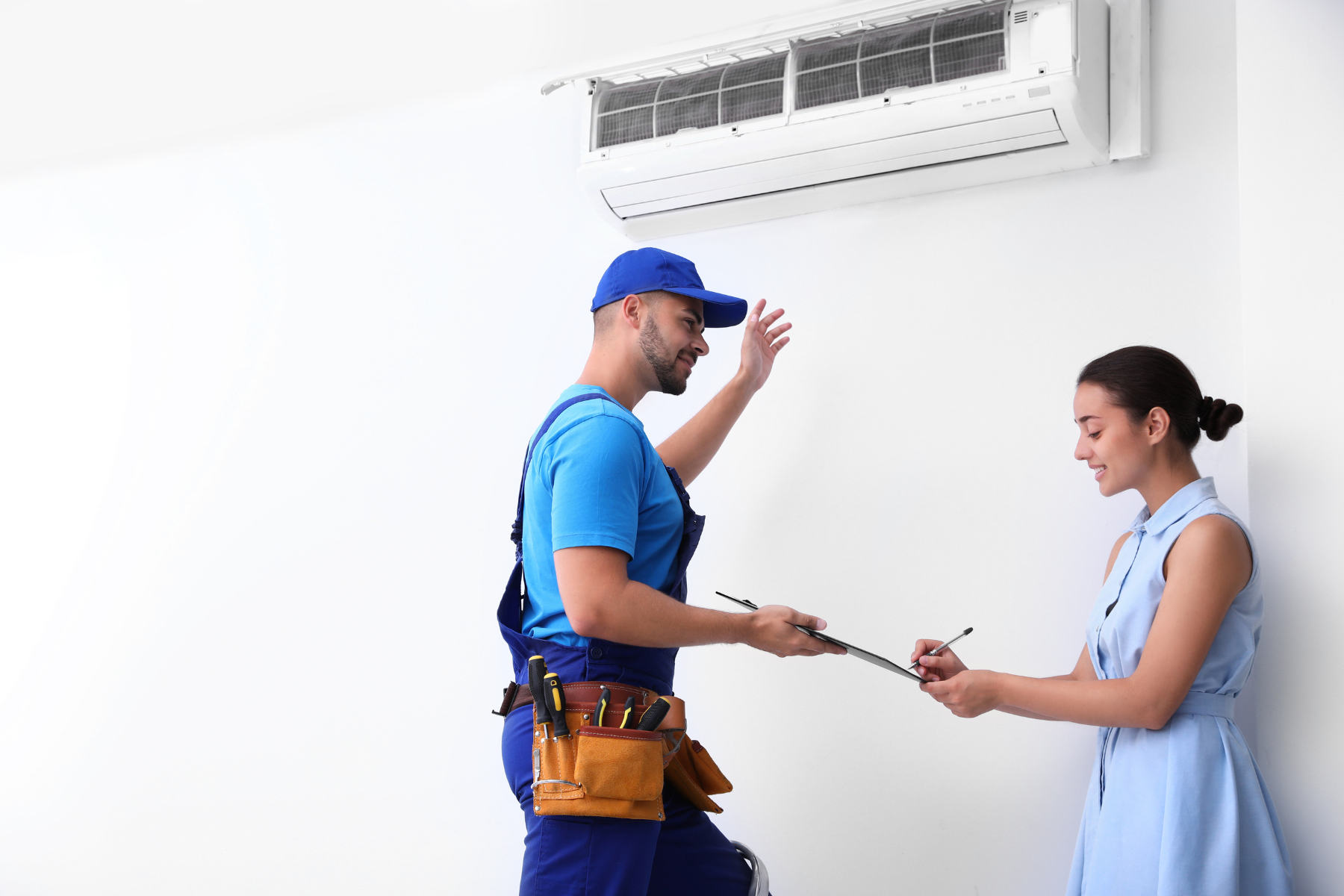 Why Spring Maintenance Matters
Seasonal transitions put stress on home systems. Winter heating cycles, freezing temperatures, and increased indoor activity can expose weaknesses that may not be obvious right away. Spring offers a chance to identify and address those issues before summer demand peaks.
Proactive maintenance can help:
- Improve system performance
- Reduce the risk of unexpected repairs
- Extend the lifespan of equipment
- Support energy efficiency
- Maintain indoor comfort and safety
Spring maintenance isn’t about reacting to problems—it’s about preventing them.
HVAC: Preparing for Cooling Season
Your HVAC system plays a major role in comfort year-round, but spring is when the focus shifts from heating to cooling. Preparing your system now helps ensure a smooth transition.
Schedule Professional HVAC Maintenance
After months of winter operation, HVAC systems benefit from professional inspection and servicing. A spring maintenance visit typically focuses on preparing air conditioning components for warmer weather while ensuring the entire system operates safely.
During a professional visit, technicians may:
- Inspect and clean system components
- Check refrigerant levels
- Test controls and safety features
- Ensure proper airflow
- Identify worn or damaged parts
Addressing small issues early can help prevent mid-summer breakdowns.
Replace or Clean Air Filters
Air filters work hard during winter, trapping dust, debris, and allergens. A dirty filter restricts airflow and forces your system to work harder.
Spring is a good time to:
- Replace disposable filters
- Clean reusable filters
- Set reminders for regular filter changes
Clean filters support better airflow, improved indoor air quality, and more efficient system operation.
Inspect Ductwork and Vents
Winter heating can stir up dust in ductwork. Before switching to cooling, inspect visible ducts and vents for:
- Dust buildup
- Blockages
- Loose or damaged connections
Make sure vents are open and unobstructed by furniture or rugs. Proper airflow is essential for even cooling throughout the home.
Test the Thermostat
As you transition from heating to cooling, verify that your thermostat:
- Switches modes properly
- Responds accurately to temperature changes
- Is programmed correctly for spring schedules
Spring is also a good time to consider thermostat upgrades, especially if your current model lacks scheduling or smart features.
Check Outdoor HVAC Units
Outdoor air conditioning components should be inspected after winter weather. Clear away debris such as leaves, branches, or dirt that may have accumulated.
Ensure:
- Adequate clearance around the unit
- No visible damage from ice or snow
- Electrical connections appear secure
Proper airflow around outdoor units supports efficient cooling.
Plumbing: Transitioning from Cold to Warm Weather
Winter conditions can affect plumbing systems in subtle ways. As temperatures rise, spring is the time to look for signs of wear or damage caused by cold weather.
Inspect for Leaks
Freezing temperatures can stress pipes and fittings. Even if no leaks were obvious during winter, spring is a good time to inspect:
- Exposed pipes
- Under-sink connections
- Hose bibs and outdoor faucets
- Basement or crawl space plumbing
Small leaks can worsen over time if left unaddressed.
Check Outdoor Plumbing Fixtures
Outdoor faucets and hose connections often go unused during winter. Before reconnecting hoses:
- Inspect faucets for leaks or cracks
- Turn water on slowly and check for drips
- Replace damaged fittings as needed
Addressing outdoor plumbing issues early helps prevent water waste and property damage.
Inspect Water Heater Performance
Water heaters work year-round, but winter demand can reveal issues. Spring is a good time to:
- Check for signs of corrosion or leaks
- Listen for unusual noises
- Confirm consistent water temperature
Professional water heater maintenance can help identify sediment buildup or aging components that affect performance.
Test Sump Pumps and Drainage Systems
Spring rain can place additional demand on drainage systems. If your home has a sump pump, test it before heavy rain arrives to ensure it activates properly.
Clear debris from floor drains and ensure water flows freely away from the foundation.
Consider Water Usage Changes
Spring often brings changes in water usage—gardening, outdoor cleaning, and more frequent showers. Making sure your plumbing system is in good condition helps it handle increased demand.
Electrical: Supporting Seasonal Energy Needs
As daylight increases and temperatures rise, electrical usage patterns shift. Spring is a smart time to evaluate electrical safety and performance.
Inspect Electrical Panels and Breakers
Electrical panels should be free of:
- Corrosion
- Loose connections
- Overcrowding
If breakers trip frequently or panels feel warm to the touch, it may be time for professional evaluation.
Test GFCI and Safety Outlets
Ground fault circuit interrupter (GFCI) outlets are designed to protect against electrical shock, especially in areas exposed to moisture.
Test GFCI outlets in:
- Kitchens
- Bathrooms
- Garages
- Basements
- Outdoor locations
Spring maintenance ensures these safety devices are functioning properly.
Evaluate Electrical Load Changes
Spring often brings:
- Increased use of fans
- Outdoor electrical equipment
- Home improvement projects
If your electrical system is already near capacity, these changes may cause issues. A professional assessment can help determine whether upgrades are needed.
Inspect Outdoor Electrical Components
Outdoor outlets, lighting, and wiring should be checked for:
- Weather damage
- Loose covers
- Signs of moisture intrusion
Proper protection helps ensure safe operation during spring rain and summer storms.
Consider Surge Protection
Seasonal storms and grid activity can cause voltage fluctuations. Whole-home surge protection helps safeguard appliances, HVAC systems, and electronics from unexpected surges.
Creating a Whole-Home Maintenance Strategy
HVAC, plumbing, and electrical systems don’t operate in isolation. Each system affects the others, and spring is an ideal time to take a comprehensive view of home maintenance.
A coordinated approach helps:
- Identify overlapping issues
- Reduce emergency repairs
- Improve overall home performance
- Support long-term system reliability
Scheduling professional services together can also simplify planning and reduce disruption.
Benefits of Professional Spring Inspections
While homeowners can handle basic checks, professional inspections provide deeper insight. Trained technicians have the tools and experience to identify concerns that may not be obvious.
Professional service helps:
- Catch issues early
- Ensure code compliance
- Improve system efficiency
- Provide recommendations for upgrades or repairs
Spring inspections help set your home up for success during peak summer demand.
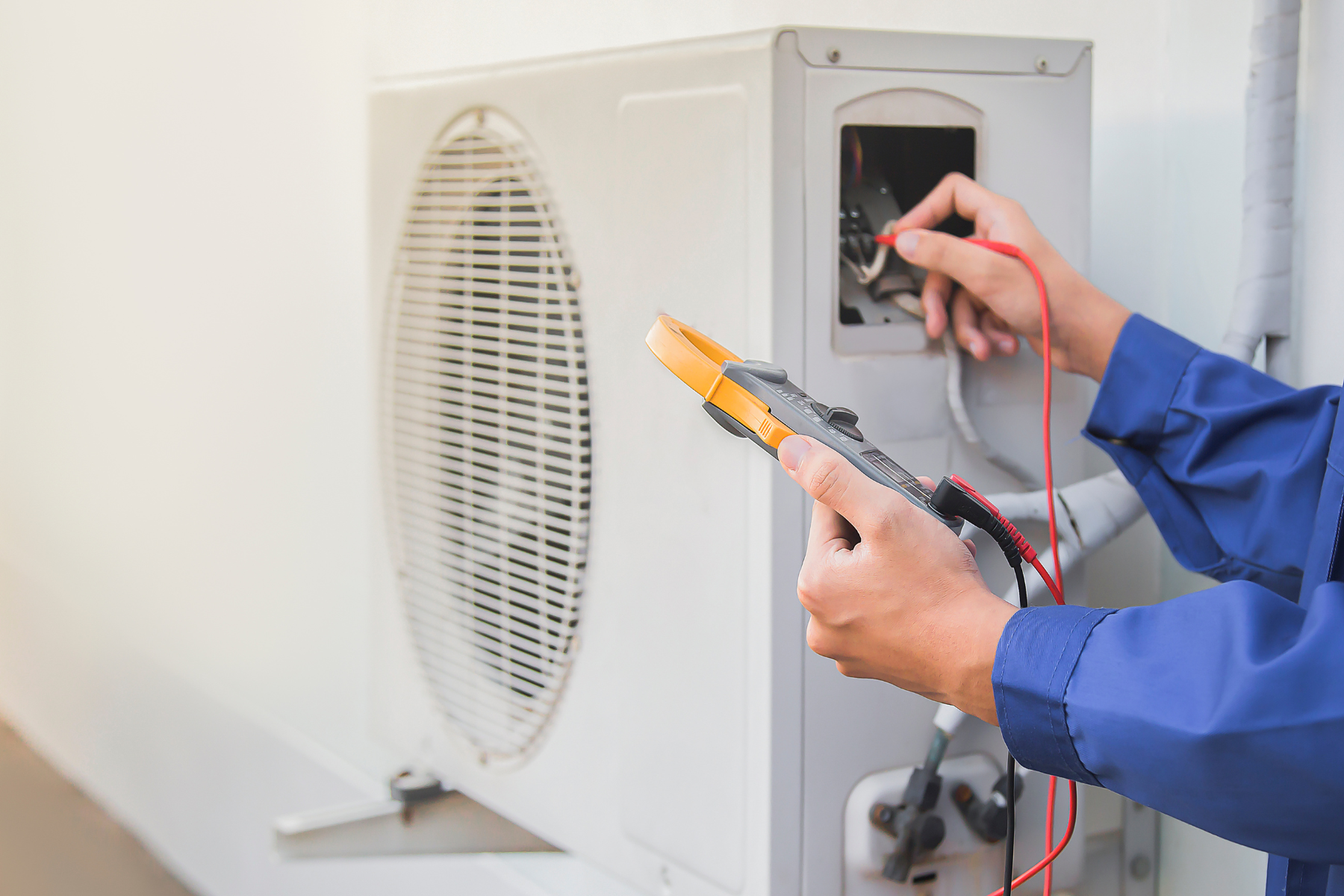 Why Spring Is the Best Time to Act
Waiting until summer to address system issues can lead to discomfort and scheduling challenges. Spring offers:
- More flexible appointment availability
- Less strain on systems during testing
- Time to plan upgrades without urgency
By acting early, homeowners gain peace of mind and avoid last-minute emergencies.
Schedule Spring Services with Stack
If you’re ready to prepare your home for spring, Stack Heating, Cooling, Plumbing & Electric offers comprehensive HVAC, plumbing, and electrical services to support your seasonal maintenance needs. From professional HVAC inspections to electrical and plumbing support, our team is here to help keep your home running smoothly. Visit our website!
Common FAQS About Home Systems
-
Why is spring a good time for home system maintenance?
Spring is a natural transition period after winter stress and before summer demand. It allows homeowners to address HVAC, plumbing, and electrical needs before systems are under heavier use.
-
What HVAC tasks should be completed in spring?
Spring HVAC tasks often include professional system inspection, air filter replacement, thermostat testing, duct and vent checks, and preparing air conditioning components for warmer weather.
-
How can spring HVAC maintenance help prevent summer breakdowns?
Identifying worn components, airflow issues, or minor problems in spring helps reduce the risk of system failures during peak cooling season.
-
What plumbing issues should homeowners look for after winter?
Homeowners should check for leaks, inspect outdoor faucets, test sump pumps if applicable, and ensure drains and water heaters are operating properly after cold weather.
-
Why should outdoor plumbing be inspected in spring?
Outdoor faucets and pipes can be damaged by freezing temperatures. Spring inspection helps identify cracks, leaks, or worn fittings before regular outdoor water use begins.
-
What electrical maintenance is recommended in spring?
Spring electrical maintenance can include testing GFCI outlets, inspecting electrical panels and breakers, checking outdoor outlets and lighting, and evaluating electrical load changes.
-
How do seasonal changes affect electrical systems?
Spring often brings increased use of fans, outdoor equipment, and home improvement tools. These changes can place additional demand on electrical circuits and reveal capacity or safety issues.
-
Should HVAC, plumbing, and electrical inspections be scheduled together?
Scheduling inspections together can provide a more complete view of home system performance and help identify overlapping issues while simplifying maintenance planning.
-
Can spring maintenance improve energy efficiency?
Yes. Clean filters, proper airflow, and well-maintained systems help HVAC equipment operate more efficiently and reduce unnecessary strain on electrical and plumbing systems.
-
When should I contact a professional for spring home maintenance?
It’s best to contact a professional in early spring, before summer temperatures rise, to allow time for inspections, repairs, or upgrades without urgency.

Stack Heating, Cooling, Plumbing & Electric has been serving Northeast Ohio since 1976. What began as a family business specializing in steam and hot-water heating has grown into a trusted provider of complete home comfort solutions, including HVAC, plumbing, and electrical services. With decades of expertise and a commitment to quality, Stack is dedicated to keeping local homes safe, efficient, and comfortable year-round.
