 Skip to content


As winter fades and March arrives, many homeowners start thinking about spring cleaning, warmer weather, and brighter days ahead. But for those with basements or crawl spaces, another seasonal concern rises to the forefront: the March thaw and spring rain.
Even if you've never had flooding before, the transition from freezing temperatures to repeated rain events can challenge your home's drainage system — especially your sump pump. Ensuring that your sump pump is ready for the increased water flow associated with spring weather isn't just wise — it's essential for maintaining a dry, healthy basement.
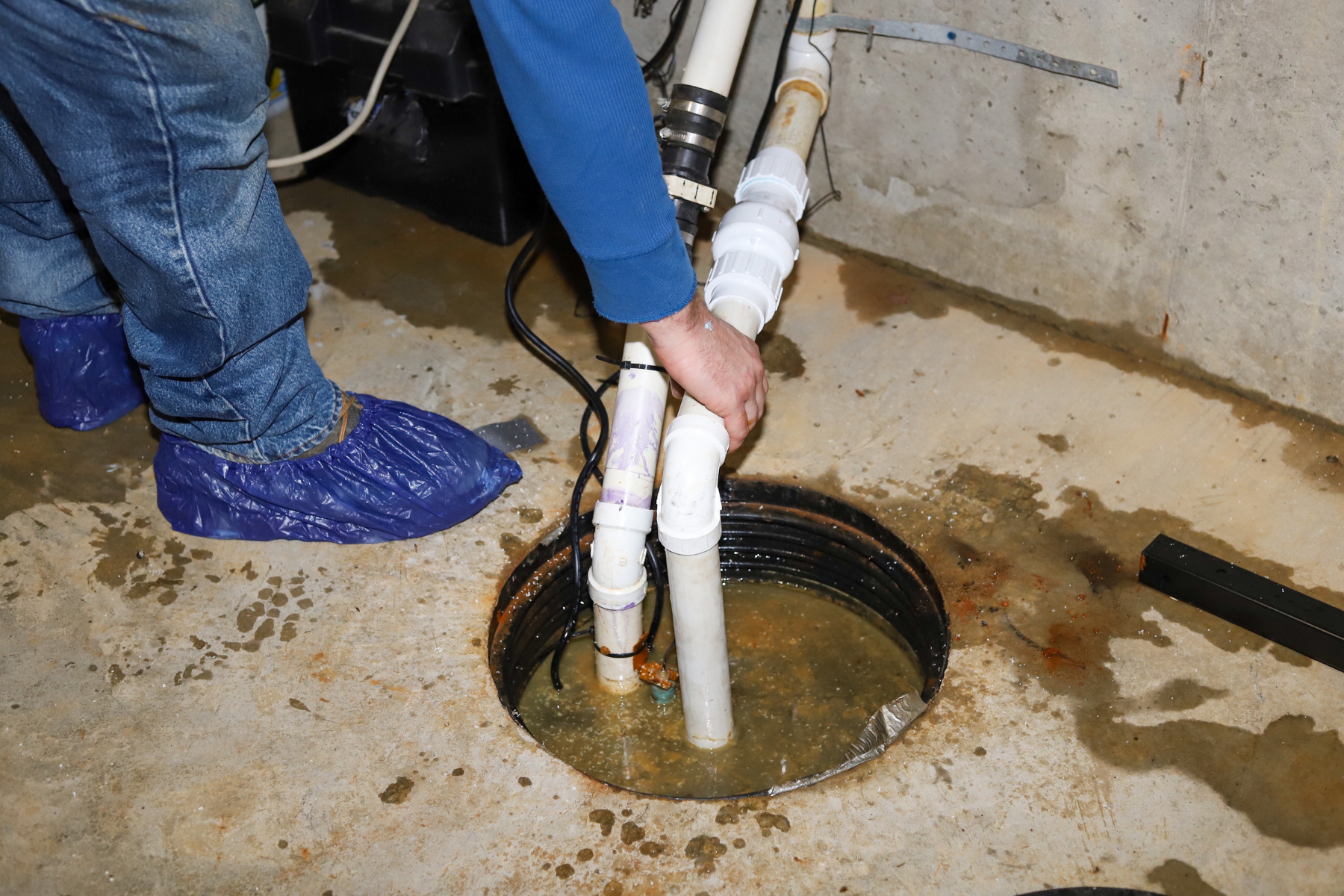 Understanding the March Thaw and Spring Rain
In many climates, March is a turning point. Snow and ice accumulated over winter begin to melt. Ground that has been frozen for months can quickly become saturated when hit with rain. The combined effect of melting snow and rainfall can lead to rapid increases in soil moisture around your home's foundation.
Water seeks the path of least resistance. If the ground around your foundation becomes saturated, gravity and hydrostatic pressure can push water through cracks in foundation walls or floors, or seep through porous concrete. That's where a properly functioning sump pump becomes a line of defense.
What Is a Sump Pump — and Why It Matters
A sump pump is a device installed in the lowest part of a basement or crawl space — typically in a sump pit — that pumps water away from the foundation and out to a safe drainage area.
Here's the basic idea:
- Water enters the sump pit through drains or by natural water migration.
- When the water in the pit rises to a set level, the sump pump activates.
- The pump moves the water out through a discharge line, usually away from the home.
Without a working sump pump, water that accumulates during heavy rain or snowmelt can sit in your basement, creating dampness, musty odors, mold risk, or even structural damage.
Spring Weather and Basement Risk
Spring weather poses several overlapping challenges:
- Thawing GroundAfter months of frozen soil, the ground can become saturated quickly as temperatures rise and snow melts. Frozen soil also prevents water from draining, forcing it to pool and move toward foundations.
- Heavy Rain EventsMarch and April often bring storms with persistent rain. Multiple consecutive days of rain can overwhelm soil absorption and drainage.
- Clogged Gutters and DownspoutsWinter debris left in gutters can clog downspouts. When rain falls, water can overflow and wash down your home's exterior walls, directing water toward the foundation.
When all these factors accumulate, a sump pump is often your home's best defense against unwanted water intrusion.
Signs Your Sump Pump Needs Attention
Not all sump pumps are created equal, and like any mechanical system, they can wear down with time. Here are straightforward signs it's time to inspect or service your sump pump:
- AgeMost sump pumps have a life expectancy somewhere in the range of several years. If your pump is older and hasn't been serviced recently, it's worth checking.
- Irregular ActivationA sump pump should activate predictably when water levels rise. If it's cycling erratically or not turning on when water enters the pit, that's a red flag.
- Strange NoisesLoud or unusual noises — grinding, clanking, or gurgling — can indicate mechanical wear, a stuck float switch, or debris in the system.
- Visible Corrosion or DamageRust, corrosion, or cracked components visible at the intake, discharge pipe, or pit could compromise performance.
- No Power BackupMany sump pumps run on household electricity. If you don't have a power backup — such as a battery backup or a secondary pump — a power outage during a storm can leave you unprotected.
Pre-Spring Sump Pump Checklist
Here's a step-by-step checklist to help ensure your sump pump is ready for spring rains:
- Inspect the Pump and Pit
- Clear the pit of debris.
- Check for signs of rust, corrosion, or physical damage.
- Make sure the float switch moves freely and isn't stuck.
- Test the PumpPour a bucket of water into the pit. A working pump should activate and move water out through the discharge line. If it doesn't, there may be a problem with the switch, motor, or power supply.
- Check the Discharge LineConfirm that water is flowing freely through the discharge line and away from your home's foundation. Blockages or frozen segments can inhibit drainage.
- Clean Gutters and DownspoutsRemove leaves, twigs, and debris left from winter so water flows efficiently away from the roof and foundation.
- Assess Power and BackupMake sure the pump is plugged in and the electrical connections are secure. Consider installing a battery backup or a secondary pump to provide redundancy during power outages.
- Schedule Professional MaintenanceIf you're unsure about the condition of your sump pump, scheduling a professional inspection can save time and headaches later. A trained technician can assess wear and recommend repairs or replacement if needed.
Battery Backup: Why It Matters
Many homeowners overlook battery backups until it's too late. During heavy spring storms, power outages can occur. If your sump pump relies solely on electricity and the power goes out, water can quickly accumulate.
A battery backup pump activates automatically when primary power fails. The backup battery powers the pump until electricity is restored or the water recedes. While battery backups have a cost, they provide peace of mind — especially during prolonged storms.
Some homeowners also install a secondary pump as a fail-safe if the primary unit cannot keep up with water flow. This layered approach reduces risk during peak water events.
What to Do If You Find a Problem
If you discover issues during your inspection — such as a pump that won't turn on, odd noises, or a clogged discharge pipe — here are your next steps:
- Don't Ignore ItDelaying repairs until after a heavy rain event can lead to basement water damage. Early attention prevents bigger problems.
- Call a ProfessionalA licensed technician can diagnose issues precisely and recommend the correct repair or replacement. Sump pumps involve electrical components and plumbing connections, so professional service ensures safety and reliability.
- Consider Replacement Over RepairIf your pump is older or has required frequent repairs, replacing it with a newer, more efficient unit may be more cost-effective in the long run.
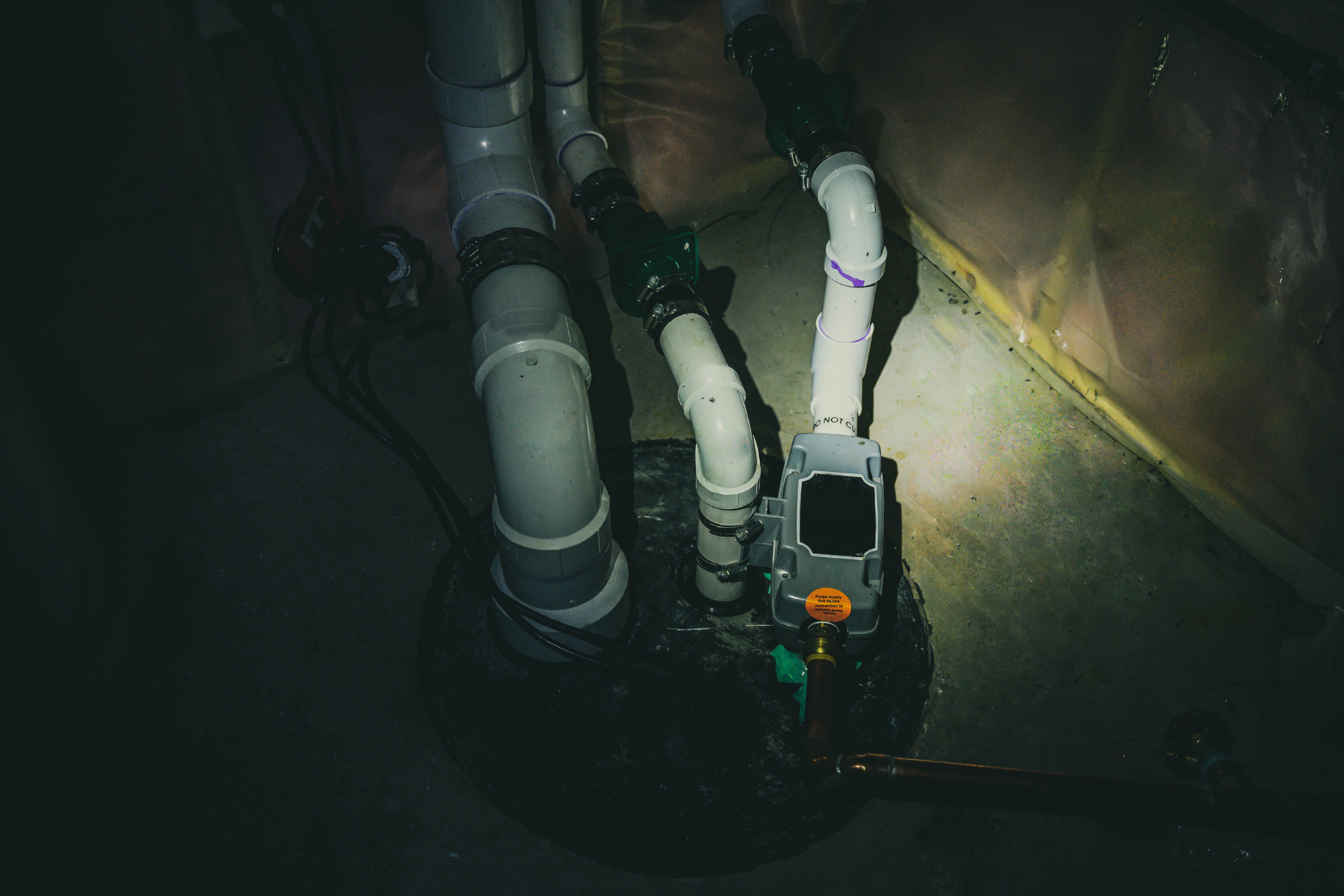 Long-Term Sump Pump Planning
A well-functioning sump pump is a valuable part of home maintenance, but it's just one piece of a comprehensive water management strategy. Consider these long-term improvements:
- Grade Your YardEnsure the ground slopes away from your foundation so water doesn't pool near your home.
- Install or Extend DownspoutsDirect water away from your house foundation with extensions that carry runoff farther from the home.
- Foundation WaterproofingIn cases where water intrusion persists, additional waterproofing methods — like interior sealants, exterior drainage systems, or foundation coatings — can offer extra protection.
- Regular MaintenanceCheck your sump pump every spring and after significant storms. Regular maintenance extends the life of the pump and ensures reliable performance.
Need Help With Your Sump Pump?
If you're not sure whether your sump pump is ready for spring rain or you'd like professional inspection, Stack Heating & Air Conditioning can help. Visit our website to learn more about our sump pump services and how we can help you stay prepared this spring.
Common FAQs About Sump Pumps
-
Why is spring a critical time for sump pump performance?
Spring brings melting snow and increased rainfall, which can saturate the soil around your home. This puts added pressure on your foundation and increases the likelihood of water entering your basement, making proper sump pump operation especially important.
-
How does the March thaw affect basement flooding risk?
When frozen ground begins to thaw, it often cannot absorb water quickly. Combined with spring rain, this can cause water to pool near foundations and find its way into basements if drainage systems are not working properly.
-
What does a sump pump do during heavy rain?
A sump pump collects excess groundwater that enters the sump pit and pumps it away from your home's foundation, helping prevent water from accumulating in the basement or crawl space.
-
How can I tell if my sump pump is working correctly?
You can test your sump pump by pouring water into the sump pit and checking whether it activates and discharges water properly. Unusual noises, failure to turn on, or inconsistent operation may indicate a problem.
-
How often should a sump pump be inspected or tested?
It's a good idea to inspect and test your sump pump at least once a year, especially before the spring rainy season. Additional checks after major storms can also help ensure continued reliability.
-
What are common signs that a sump pump needs repair or replacement?
Common warning signs include frequent cycling, failure to activate, unusual noises, visible corrosion, or a pump that is older and has not been maintained regularly.
-
Why is a battery backup important for a sump pump?
Spring storms can sometimes cause power outages. A battery backup allows the sump pump to continue operating even if electricity is lost, helping reduce the risk of basement flooding during storms.
-
Can clogged gutters affect how hard my sump pump has to work?
Yes. Clogged gutters and downspouts can cause water to pool near your foundation instead of draining away, increasing the amount of water your sump pump must handle.
-
Should I repair an old sump pump or replace it?
If a sump pump requires frequent repairs or shows signs of age-related wear, replacement may be a more reliable long-term solution. A professional inspection can help determine the best option.
-
When should I call a professional for sump pump service?
You should contact a professional if your sump pump fails a test, makes unusual noises, does not activate properly, or if you're unsure about its condition before the spring rainy season.
::contentReference[oaicite:0]

Stack Heating, Cooling, Plumbing & Electric has been serving Northeast Ohio since 1976. What began as a family business specializing in steam and hot-water heating has grown into a trusted provider of complete home comfort solutions, including HVAC, plumbing, and electrical services. With decades of expertise and a commitment to quality, Stack is dedicated to keeping local homes safe, efficient, and comfortable year-round.
