 Skip to content


Cleveland winters don’t mess around. When the lake-effect machine cranks up and the temperature plummets below zero, your boiler becomes the most important appliance in your home. At Stack Heating, Cooling, Plumbing & Electric, we’ve been keeping Cleveland warm for over 49 years. If your radiators are lukewarm, your floors are cold, or you’re hearing strange noises from the basement, your boiler is telling you it’s struggling. Here are the top signs it’s time to call for professional boiler repair in Cleveland before the next polar vortex hits.
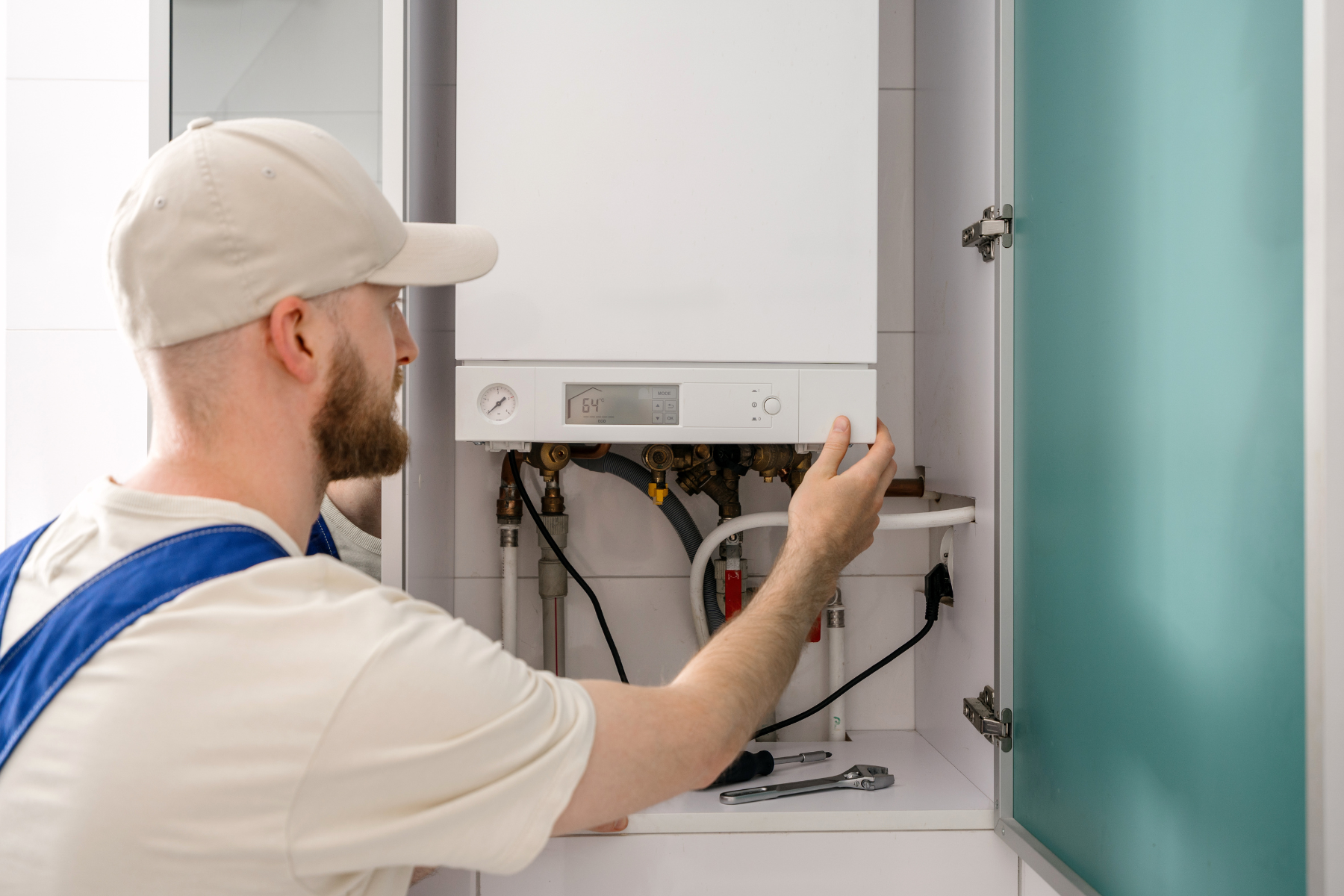 What Is a Boiler and How Does It Work?
If you live in an older Cleveland home (or one with radiant heat), you might have a boiler instead of a traditional forced-air furnace. Here’s the simple breakdown:
A boiler is a heating system that heats water (or produces steam) and distributes that heat throughout your home via:
- Radiators
- Baseboard heaters
- Radiant floor tubing
Unlike a furnace that blows hot air through ducts, a boiler uses hot water or steam to provide even, quiet, comfortable heat — perfect for Cleveland’s long, cold winters.
How a Boiler Works (The Basics)
- The boiler burns natural gas, propane, or oil (or uses electricity) to heat water inside a sealed vessel.
- A circulator pump moves hot water through pipes to radiators or in-floor loops.
- As the water cools, it returns to the boiler to be reheated.
- The system is “closed-loop” — the same water circulates for years (with occasional topping off).
Types of Boilers Common in Cleveland Homes
- Cast-iron boilers → Durable, long-lasting (30–50+ years), common in pre-1980 homes
- High-efficiency condensing boilers → 90%+ efficient, use PVC venting, common in newer builds and replacements
- Combi boilers → Provide home heating + on-demand hot water (no separate tank)
- Steam boilers → Found in some historic Cleveland neighborhoods (one-pipe or two-pipe systems)
At Stack Heating, Cooling, Plumbing & Electric, we service and repair all types of boilers — from century-old cast-iron beasts to today’s high-efficiency systems.
Top Signs Your Boiler Needs Repair in Cleveland
1. Lukewarm or Cold Radiators (Even When the Boiler Is Running)
If the top of your radiator is hot but the bottom is cold (or the whole thing is barely warm), you may have:
- Air trapped in the system
- Sludge and corrosion buildup
- A failing circulator pump
- An undersized or aging boiler
Stack’s technicians bleed systems, power-flush lines, and replace pumps daily across Cleveland’s older homes.
2. Strange Noises: Banging, Clanking, or Gurgling
Cleveland’s hard water and decades-old piping can turn boilers into percussion instruments:
- Kettling (loud banging) → Limescale buildup on the heat exchanger
- Gurgling → Air pockets or low water pressure
- Clanking → Failing pump or loose components
These sounds aren’t just annoying — they’re warnings that can lead to leaks or total failure.
3. Rising Heating Bills with No Extra Comfort
A boiler losing efficiency due to scale, leaks, or a failing burner can waste 20–40% more fuel. Many Cleveland homeowners see their bills jump $75–$200 per month while the house still feels cold.
4. Leaking or Dripping Around the Boiler
Even a small leak can quickly become a big problem in a Cleveland basement. Common causes include:
- Corroded pressure relief valve
- Cracked heat exchanger
- Failed pump seal
- Loose or leaking fittings
Never ignore water around your boiler. Call Stack 24/7 for boiler repair in Cleveland.
5. Pilot Light Keeps Going Out or Burns Yellow
A healthy pilot should be steady and blue. If it’s yellow, flickering, or won’t stay lit, you could have:
- Dirty or failing thermocouple
- Draft issues (common in older Cleveland homes)
- Gas pressure problems
- Possible carbon monoxide risk
6. Low Pressure or Frequent Need to “Top Up”
If your boiler pressure keeps dropping below about 12 PSI and you’re constantly using the filling loop, there’s likely a leak somewhere — sometimes hidden in pipes under floors or behind walls.
7. Hot Water Takes Forever (or Never Gets Hot)
Many Cleveland homes rely on their boiler for domestic hot water. If showers go cold quickly, it may be:
- A failed diverter valve
- A plate heat exchanger issue
- A faulty thermostat or sensor
8. Age of Your Boiler
Many cast-iron boilers can run 25–50 years (sometimes longer with excellent maintenance). But if yours was installed before 2000, recurring issues often mean it’s time for serious repair — or planning for replacement before a mid-winter breakdown.
Simple Boiler Maintenance Tips for Cleveland Homeowners
While regular professional care is the best protection, these basics can help you spot issues early:
- Schedule annual service (late summer/early fall is ideal)
- Check boiler pressure regularly (generally 12–18 PSI when cold)
- Listen for new noises (banging/gurgling/clanking is never “normal”)
- Watch for leaks around the boiler, fittings, and radiators
- Keep the area clear for safe operation and service access
- Test carbon monoxide detectors monthly
Never attempt repairs yourself. Boilers involve high pressure, fuel, and electricity. Always call the professionals.
 Why Cleveland Homeowners Trust Stack for Boiler Repair
- 24/7 emergency service — no heat is an emergency in Cleveland
- Certified boiler specialists who know Cleveland’s old piping and new construction
- Fully stocked trucks for same-day repairs on most brands
- Transparent, upfront pricing — no surprise fees
- 2-year warranty on boiler repairs (parts and labor)
Call Stack Today for Boiler Repair in Cleveland
Don’t wait until the next lake-effect blizzard buries Cleveland. If your boiler is showing any of these signs, contact Stack Heating, Cooling, Plumbing & Electric today for fast, reliable boiler repair in Cleveland and surrounding areas.
Common FAQs About Boiler Repair and Maintenance
1. What is a boiler and how does it heat my home?
A boiler heats water or produces steam and sends it through radiators, baseboards, or radiant floors for even, quiet heat — unlike a furnace that blows hot air through ducts.
2. What types of boilers are common in Cleveland homes?
Cast-iron boilers (older homes), high-efficiency condensing boilers (90%+), combi boilers (heat + hot water), and steam boilers in historic neighborhoods.
3. Why are my radiators lukewarm or cold even when the boiler is running?
Common causes include air in the system, sludge buildup, circulator pump issues, or an aging/undersized boiler.
4. What do banging, clanking, or gurgling noises mean?
Banging can mean scale buildup (“kettling”), gurgling often means air or low pressure, and clanking can indicate a failing pump or loose components.
5. Why is my heating bill going up but my home still feels cold?
Efficiency losses from scale, leaks, or burner issues can waste 20–40% more fuel — raising bills without improving comfort.
6. What should I do if I see leaking around my boiler?
Turn the system off if safe and call Stack immediately. Leaks can worsen quickly and cause major damage.
7. Is a yellow pilot light dangerous?
Yes. A yellow or unstable pilot can indicate combustion problems and potential carbon monoxide risk. Call Stack right away.
8. Why does my boiler pressure keep dropping?
Frequent pressure drops usually indicate a leak somewhere in the system. Don’t keep topping it off — get it professionally inspected.
9. Why is my hot water inconsistent?
If your boiler provides domestic hot water, a diverter valve, plate heat exchanger, or thermostat issue may be the cause.
10. How can I keep my boiler running well during Cleveland winters?
Schedule annual service, monitor pressure, address noises/leaks early, keep the area around the boiler clear, and test CO detectors monthly.

Stack Heating, Cooling, Plumbing & Electric has been serving Northeast Ohio since 1976. What began as a family business specializing in steam and hot-water heating has grown into a trusted provider of complete home comfort solutions, including HVAC, plumbing, and electrical services. With decades of expertise and a commitment to quality, Stack is dedicated to keeping local homes safe, efficient, and comfortable year-round.
