 Skip to content


A leaking air conditioner can be frustrating, especially during a warm Cleveland summer when your home depends on steady cooling. While some moisture is normal during AC operation, visible water around the indoor unit, wet flooring, or dripping near the system should never be ignored. A leak can point to a clogged drain line, frozen coil, damaged drain pan, or another HVAC issue that needs attention.
At Stack Heating, Cooling, Plumbing, and Electric, we understand how important reliable air conditioning is for Cleveland homeowners. If your AC is leaking, knowing what to do next can help prevent water damage, protect your system, and restore comfort safely.
Why Air Conditioners Produce Water
Air conditioners do more than cool the air. They also remove humidity from inside your home. As warm indoor air passes over the cold evaporator coil, moisture condenses and collects as water. That water is supposed to drain into a condensate pan and then flow through a drain line away from the system.
When everything works properly, this moisture leaves the home without causing problems. When something blocks or interrupts that drainage process, water may begin to leak around the unit.
 Common Signs of a Leaking AC
 Common Signs of a Leaking AC
A leaking air conditioner may show several warning signs. Some are easy to notice, while others develop gradually.
Common signs include:
- Water pooling around the indoor HVAC unit
- Damp flooring near the furnace or air handler
- Water stains near vents or ceilings
- Musty odors around the system
- AC shutting off unexpectedly
- Higher indoor humidity
- Ice forming on refrigerant lines or coils
Any visible water near your HVAC equipment should be checked promptly. Even a small leak can cause damage if it continues over time.
Turn Off the AC if You See Active Leaking
If water is actively leaking from your air conditioner, the first step is to turn the system off. This helps stop additional condensation from forming while you inspect the situation.
Do not continue running the system if:
- Water is pooling near electrical components
- Ice is visible on the unit
- The system is making unusual noises
- The leak is increasing
- The AC has shut itself off
Turning the system off does not fix the problem, but it can help limit damage until a professional technician can inspect it.
Check the Air Filter
A dirty air filter is one of the most common causes of AC performance issues. When the filter becomes clogged with dust and debris, airflow through the system is restricted. Poor airflow can cause the evaporator coil to become too cold, which may lead to ice buildup.
When that ice melts, it can create excess water around the indoor unit.
Check your air filter and replace it if it looks dirty. Be sure to use the correct size and type recommended for your HVAC system. If the leak continues after replacing the filter, professional service is needed.
Look for a Clogged Condensate Drain Line
A clogged condensate drain line is another common reason an air conditioner leaks. Dust, dirt, algae, and debris can collect inside the drain line over time. When the line becomes blocked, condensation cannot drain properly and may back up into the pan or overflow near the unit.
Signs of a clogged drain line may include:
- Water near the indoor unit
- Musty odors
- AC shutting off unexpectedly
- Standing water in or near the drain pan
Some systems have a safety switch that shuts the AC off when water backs up. This helps prevent overflow, but it also means your home may lose cooling until the issue is resolved.
Watch for Frozen Coils
Frozen evaporator coils can cause water leaks when the ice begins to thaw. Coil freezing may be caused by restricted airflow, refrigerant issues, dirty coils, or other system problems.
If you see ice on the coil or refrigerant lines, turn off the AC and allow the system to thaw. Do not try to chip away the ice. Once the ice melts, water may collect around the system, so place towels nearby if needed and call a professional HVAC technician.
A frozen coil is a symptom of an underlying problem. The system should be inspected before normal operation resumes.
Inspect the Drain Pan
The condensate drain pan collects moisture from the evaporator coil. If the pan is cracked, rusted, shifted, or damaged, water may leak before it reaches the drain line.
Drain pan problems are more common in older systems, but any pan can become damaged. A professional technician can inspect the pan and determine whether it needs repair or replacement.
Do Not Ignore Musty Odors
A leaking AC can create damp conditions around the unit, inside ductwork, or near surrounding materials. If you notice musty odors, it may mean moisture is collecting where it should not be.
Musty smells should be addressed quickly because they can indicate standing water, drainage problems, or unwanted growth inside damp areas.
Avoid DIY Repairs That Could Cause More Damage
Homeowners can safely check the thermostat, replace the air filter, and look for obvious water around the unit. However, deeper HVAC issues should be handled by trained professionals.
Avoid:
- Opening sealed HVAC components
- Handling refrigerant lines
- Pouring harsh chemicals into the drain line
- Resetting safety switches repeatedly
- Running the system while frozen
- Attempting electrical repairs
Air conditioners contain electrical components, refrigerant systems, and drainage parts that require proper training to service safely.
When to Call a Professional
 When to Call a Professional
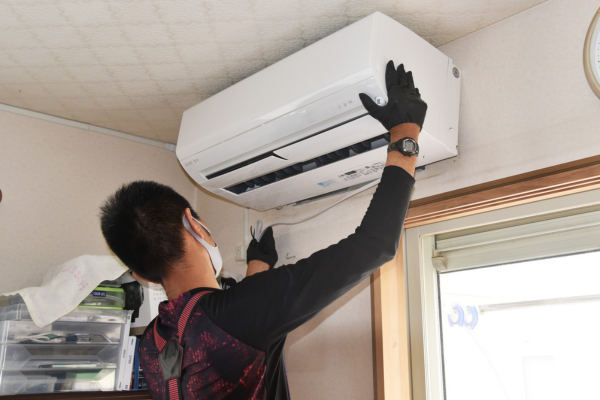
You should call an HVAC professional if:
- Water continues leaking after replacing the air filter
- The AC shuts off unexpectedly
- Ice forms on the system
- The drain line appears clogged
- Musty odors are present
- Water is near electrical components
- Cooling performance suddenly declines
A professional technician can identify the source of the leak and recommend the correct repair.
How Professionals Fix a Leaking Air Conditioner in Cleveland
The right solution depends on the cause of the leak. During service, a technician may:
- Inspect the condensate drain line
- Clear drain line blockages
- Check the drain pan
- Evaluate airflow
- Inspect the evaporator coil
- Test system operation
- Look for refrigerant-related issues
- Check safety switches
Professional diagnosis matters because several AC problems can cause similar symptoms. A visible leak may start with drainage, airflow, or mechanical issues.
How to Help Prevent Future AC Leaks
Routine maintenance is one of the best ways to reduce the risk of AC leaks. During a maintenance visit, a technician can check the drainage system, clean components, test airflow, and identify developing issues.
Homeowners can also help by:
- Replacing air filters regularly
- Keeping vents open and unobstructed
- Keeping the area around the indoor unit clean
- Watching for early signs of moisture
- Scheduling seasonal HVAC service before peak cooling season
In Cleveland, spring maintenance can be especially helpful before hot, humid summer weather puts more demand on the cooling system.
Why Cleveland Homes Need Reliable AC Drainage
Cleveland summers can bring warm, humid conditions that require air conditioners to remove moisture as well as heat. When humidity is high, your AC may produce more condensation during normal operation. That makes proper drainage especially important.
If the condensate line, drain pan, or airflow system is not working correctly, leaks may appear quickly during periods of heavier AC use.
Trust Stack Heating, Cooling, Plumbing, and Electric
At Stack Heating, Cooling, Plumbing, and Electric, we provide professional HVAC services for homeowners dealing with AC leaks, cooling problems, airflow concerns, and seasonal maintenance needs. If your air conditioner is leaking in Cleveland, contact Stack Heating, Cooling, Plumbing, and Electric at (440) 937-9134 or visit us to schedule professional HVAC service.
10 FAQs
1. Why is my air conditioner leaking water?
Air conditioners can leak water due to clogged condensate drain lines, frozen evaporator coils, damaged drain pans, or airflow restrictions.
2. Is it normal for an air conditioner to produce water?
Yes. Air conditioners naturally remove moisture from the air during the cooling process. However, water should drain properly and not leak around the unit.
3. What should I do if my AC is leaking water?
Turn off the system, check the air filter, look for obvious signs of a clogged drain line, and contact an HVAC professional if the leak continues.
4. Can a dirty air filter cause an AC leak?
Yes. A dirty air filter can restrict airflow, causing the evaporator coil to freeze. When the ice melts, excess water may leak from the system.
5. What is a condensate drain line?
The condensate drain line carries moisture collected by the air conditioner away from the system. If it becomes clogged, water can back up and leak.
6. Why is there ice on my air conditioner?
Ice may form due to restricted airflow, refrigerant issues, dirty coils, or other system problems that require professional inspection.
7. Can a leaking AC cause water damage?
Yes. If left untreated, water leaks can damage flooring, drywall, insulation, and surrounding materials near the HVAC system.
8. When should I call an HVAC technician for a leaking air conditioner?
You should call a technician if the leak continues, the system freezes, water is near electrical components, or cooling performance declines.
9. How can I help prevent air conditioner leaks?
Regular maintenance, replacing air filters, keeping vents unobstructed, and scheduling seasonal HVAC inspections can help reduce the risk of leaks.
10. Why are AC leaks more noticeable during Cleveland summers?
Warm, humid weather causes air conditioners to remove more moisture from the air, increasing the amount of condensation that must drain properly through the system.

Stack Heating, Cooling, Plumbing & Electric has been serving Northeast Ohio since 1976. What began as a family business specializing in steam and hot-water heating has grown into a trusted provider of complete home comfort solutions, including HVAC, plumbing, and electrical services. With decades of expertise and a commitment to quality, Stack is dedicated to keeping local homes safe, efficient, and comfortable year-round.
