 Skip to content


October in Northeast Ohio is an important transition month for home heating. Temperatures begin dropping, furnaces return to regular use, and homeowners have an opportunity to address heating concerns before colder winter weather arrives. If a furnace has started showing signs of trouble, one question becomes especially important: should you repair the existing system or consider replacement?
The furnace repair vs replace decision does not have a universal answer. A repair may be appropriate for an otherwise dependable system with an isolated problem, while replacement may make more sense when age, recurring problems, declining performance, or other concerns begin adding up. Evaluating the condition of the entire heating system can help homeowners make a more informed decision before winter.
Start With a Professional Furnace Evaluation
Before deciding between repair and replacement, the first step should be identifying what is actually wrong with the furnace. Similar symptoms can have very different causes.
For example, insufficient heating could involve airflow, thermostat operation, mechanical components, or another HVAC issue. Unusual noises can also have multiple causes. A professional HVAC evaluation helps identify the source of the problem and provides information about the overall condition of the system.
When considering furnace repair vs replace, homeowners should base the decision on the actual diagnosis rather than symptoms alone.
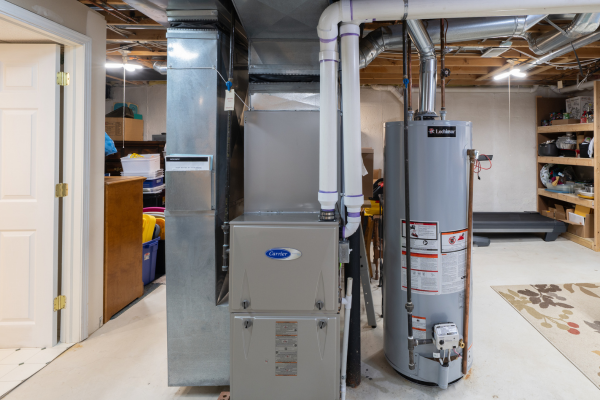 Consider the Furnace’s Age and Condition
Age matters when evaluating a furnace, but it should not be the only factor. Two systems of similar age may be in very different condition depending on maintenance, installation, operating demands, and component wear.
An older furnace that has remained dependable may still be suitable for repair. Conversely, a system experiencing several significant problems may warrant a broader discussion about replacement.
Instead of using age as an automatic cutoff, consider it alongside reliability, condition, heating performance, and repair history.
Look at the Frequency of Repairs
An occasional furnace repair does not necessarily mean the entire system needs replacement. Mechanical equipment contains components that can wear and eventually require service.
Repeated problems are different. If the furnace has needed increasingly frequent attention, homeowners should consider whether repairing individual components continues to make sense.
This is one of the most useful factors when weighing furnace repair vs replace. A repair addresses a specific problem, while replacement addresses the overall condition of an aging or increasingly unreliable heating system.
Know the Signs You Need a New Furnace
Some furnace symptoms deserve closer attention because they may indicate broader system deterioration.
Potential signs you need a new furnace can include:
- Increasingly frequent repairs
- Difficulty maintaining the thermostat setting
- Uneven heating throughout the home
- Unusual or persistent operating noises
- Frequent cycling
- Visible deterioration of equipment
- A noticeable decline in heating performance
None of these symptoms automatically means a furnace must be replaced. Some can result from repairable problems. However, when several occur together, a professional assessment can help determine whether continued repairs remain reasonable.
Pay Attention to Uneven Heating
A furnace should provide reasonably consistent heating throughout the home when the HVAC system is properly designed and operating correctly.
If certain rooms remain noticeably colder than others, the furnace may not necessarily be the only concern. Uneven heating can also involve ductwork, airflow restrictions, insulation, thermostat placement, or other conditions.
Before choosing replacement solely because of temperature differences, the entire heating system should be evaluated. Identifying the actual cause prevents homeowners from assuming new equipment will automatically correct a problem originating elsewhere.
Consider Changes in Furnace Performance
Changes in how a furnace operates can provide useful clues about its condition.
A system that suddenly runs differently, struggles to reach the thermostat setting, cycles unusually, or produces unfamiliar sounds deserves attention. These changes may indicate a repairable component problem, but they can also reveal increasing wear.
When considering furnace repair vs replace, compare current operation with how the system performed previously. A noticeable decline is worth investigating before winter demand increases.
Cost to Repair vs Replace a Furnace Is More Than One Number
Homeowners naturally consider the cost to repair vs replace a furnace, but the decision involves more than comparing two immediate expenses. Because actual costs vary significantly by system and problem, there is no single figure that applies to every home.
Instead, consider factors such as:
- The extent of the current repair
- Overall furnace condition
- Previous repair history
- Expected future reliability
- Availability of appropriate replacement components
- Whether other significant components show wear
A professional diagnosis can provide the information needed to evaluate these factors without assuming that either repair or replacement is automatically the better choice.
Consider Energy Performance
Heating performance and energy use can also be part of the furnace repair vs replace discussion. An aging furnace may continue operating while no longer performing as effectively as it once did.
However, changes in energy use should not automatically be blamed on the furnace. Weather conditions, thermostat settings, insulation, ductwork, air leakage, and maintenance can also influence heating demand.
A professional HVAC evaluation can help determine whether the furnace itself is contributing to performance concerns.
Think About Furnace Replacement Before Winter
Planning furnace replacement before winter can provide homeowners with time to evaluate their heating needs rather than waiting until the system stops operating during colder weather.
October is a practical time to pay attention to furnace performance because the system may already be running without yet facing the sustained heating demands of winter.
If an inspection indicates that replacement should be considered, homeowners can review that recommendation before the coldest part of the season arrives.
When Does Furnace Repair Make Sense?
Repair may be reasonable when the furnace is generally in good condition and the problem involves an isolated, serviceable component.
Factors supporting repair may include:
- The system has otherwise been reliable.
- The problem has a clearly identified cause.
- Other major components appear to be functioning properly.
- The furnace continues to heat the home effectively after service.
The goal of the furnace repair vs replace decision should be to choose the option that appropriately addresses the condition of the system, not automatically favor one approach.
When Should Replacement Be Considered?
Replacement may deserve consideration when multiple concerns point to broader deterioration rather than one isolated failure.
The signs you need a new furnace become more meaningful when combined with repeated repairs, declining heating performance, significant component wear, or concerns about continued reliability.
This is why how to decide furnace repair or replacement is best answered after a professional inspection. A technician can evaluate the complete system rather than making a recommendation based on one symptom.
 Do Not Ignore Safety Concerns
Some furnace problems should receive prompt professional attention regardless of whether repair or replacement ultimately becomes necessary.
Unusual burning odors, repeated shutdowns, visible equipment damage, or other abnormal operation should not be ignored. Homeowners should also avoid opening furnace components or attempting repairs involving gas, electrical, or combustion systems without appropriate training.
Professional HVAC service helps ensure that heating equipment is evaluated using proper procedures.
Make the Decision Before Winter Weather Arrives
The best time to consider furnace repair vs replace is before an urgent heating problem forces a quick decision. October gives Northeast Ohio homeowners an opportunity to observe furnace operation, address warning signs, and determine whether furnace replacement before winter should be considered.
If you’re noticing heating problems or are unsure how to decide furnace repair or replacement, Stack Heating, Cooling, Plumbing & Electric can evaluate your heating system and explain the available options based on its condition. Contact Stack Heating, Cooling, Plumbing & Electric at (440) 937-9134 to discuss your furnace concerns and prepare your home’s heating system for the colder months ahead.
1. How do I know whether my furnace should be repaired or replaced?
The furnace repair vs replace decision usually depends on the system’s age, condition, repair history, and overall heating performance. A furnace with one isolated problem may be a good candidate for repair, while a system with recurring issues or declining reliability may justify replacement. A professional HVAC inspection can help clarify the condition of the equipment.
2. What are common signs you may need a new furnace?
Common signs you need a new furnace can include frequent repairs, uneven heating, repeated cycling, unusual noises, and difficulty maintaining the thermostat setting. These symptoms do not always mean replacement is necessary, but several occurring together may indicate broader system wear that should be professionally evaluated.
3. Does an older furnace automatically need to be replaced?
No. Age is only one factor in the decision. An older furnace that has been well maintained and continues to operate reliably may still be suitable for repair. The overall condition of the equipment, frequency of service needs, and heating performance are generally more important than age alone.
4. When does repairing a furnace make more sense?
Repair may make sense when the furnace is otherwise in good condition, the issue involves a specific serviceable component, and the system continues to heat the home effectively. The decision should be based on the actual diagnosis rather than assuming every older furnace needs replacement.
5. When should furnace replacement be considered before winter?
Furnace replacement before winter may be worth considering if the system has recurring problems, significant wear, or noticeably declining performance. Planning in October can give homeowners time to evaluate the condition of the furnace before colder weather increases heating demand.
6. How should I compare the cost to repair vs replace a furnace?
The cost to repair vs replace a furnace should be considered alongside the system’s condition, repair history, expected reliability, and the extent of the current problem. Because every furnace and repair is different, a professional diagnosis is important before deciding which option is more appropriate.
7. Does uneven heating mean I need a new furnace?
Not necessarily. Uneven heating may be caused by ductwork, airflow restrictions, insulation, thermostat placement, or furnace performance. A complete HVAC evaluation can help determine whether the furnace itself is responsible or whether another part of the heating system is contributing to the temperature differences.
8. Why is October a good time to evaluate my furnace?
October is a practical time to evaluate furnace performance because the heating system is beginning to run again but has not yet reached peak winter demand. This can make it easier to identify warning signs and decide whether maintenance, repair, or replacement should be considered before colder weather arrives.
9. Can repeated furnace repairs be a sign that replacement is approaching?
Yes, increasingly frequent repairs may indicate that multiple components are experiencing wear. One repair does not necessarily justify replacement, but a pattern of recurring service needs can be an important factor when deciding between furnace repair vs replace.
10. What should I do if I am unsure how to decide furnace repair or replacement?
If you are unsure how to decide furnace repair or replacement, schedule a professional HVAC evaluation. A technician can inspect the furnace, identify the cause of current problems, assess the condition of major components, and explain whether repair or replacement appears more appropriate based on the system’s condition.

Stack Heating, Cooling, Plumbing & Electric has been serving Northeast Ohio since 1976. What began as a family business specializing in steam and hot-water heating has grown into a trusted provider of complete home comfort solutions, including HVAC, plumbing, and electrical services. With decades of expertise and a commitment to quality, Stack is dedicated to keeping local homes safe, efficient, and comfortable year-round.
