 Skip to content


Sewer line problems are some of the most serious plumbing issues a homeowner can face. A slow drain or occasional clog may seem minor at first, but repeated backups, foul odors, or multiple fixtures draining poorly can signal a deeper problem in the main sewer line.
Because the sewer line carries wastewater away from your home, issues with this part of the plumbing system can affect comfort, sanitation, and property safety. Understanding the warning signs can help you know when to call a professional plumber before the problem gets worse.
What Is a Sewer Line?
Your sewer line is the main pipe that carries wastewater from your home to the municipal sewer system or septic system. Toilets, sinks, tubs, showers, dishwashers, washing machines, and floor drains all connect to this line.
When the sewer line becomes clogged, cracked, or damaged, wastewater may not drain properly. Unlike a small clog in one sink, sewer line problems often affect several fixtures at once.
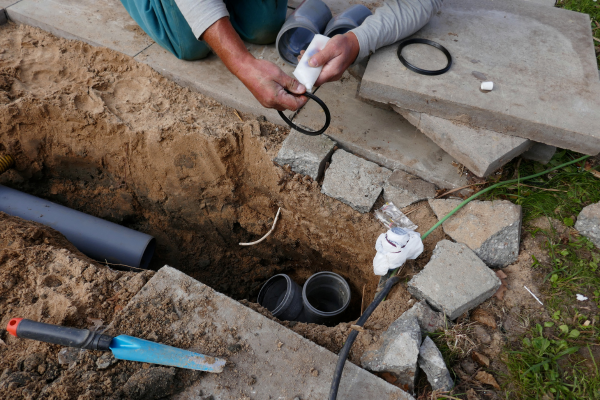 Common Causes of Sewer Line Problems
Sewer line issues can happen for several reasons, including age, buildup, damage, or improper use of the plumbing system.
Common causes include:
- Tree roots growing into cracks or openings in the pipe
- Grease, soap residue, food particles, and debris buildup
- Flushing wipes, paper towels, hygiene products, or other non-flushable items
- Cracked, sagging, shifted, or collapsed pipes
- Poor drainage slope that prevents wastewater from flowing properly
These problems usually develop over time. A small restriction can eventually become a serious blockage if it is not addressed.
Warning Signs of a Sewer Line Problem
Sewer line problems often show warning signs before a major backup occurs. Homeowners should watch for:
Multiple Slow Drains
One slow drain may be a local clog. Several slow drains at the same time may point to a problem in the main sewer line.
Gurgling Toilets or Drains
Gurgling sounds can happen when air is trapped by a blockage. This may mean wastewater is struggling to move through the sewer line.
Water Backing Up Into Fixtures
Water backing up into tubs, showers, sinks, or floor drains is a serious sign that wastewater is not leaving the home properly.
Sewer Odors
Unpleasant sewer smells inside or outside the home can indicate a drainage, venting, or sewer line issue.
Recurring Clogs
If clogs keep coming back after plunging or basic cleaning, the blockage may be deeper in the system.
Wet or Soft Areas in the Yard
Unusual wet spots, soft ground, or foul odors outside may suggest an underground sewer line leak.
How Sewer Line Problems Affect Your Home
A damaged or blocked sewer line can affect your home in several ways.
Wastewater Backups
One of the most serious risks is wastewater backing up through toilets, tubs, showers, or floor drains. This creates unsanitary conditions and should be handled quickly by a professional.
Water Damage
Backups or leaks can damage flooring, drywall, baseboards, cabinets, and nearby materials. Moisture may also spread under floors or behind walls.
Mold and Mildew Concerns
Moisture from leaks or backups can create conditions where mold and mildew may develop, especially in basements, bathrooms, laundry rooms, or crawl spaces.
Unpleasant Odors
Sewer odors can make parts of the home uncomfortable and may indicate that wastewater is not draining or venting correctly.
Plumbing System Strain
A partial blockage can affect several fixtures and lead to repeated clogs. Over time, pressure and restricted flow may make the problem worse.
Yard and Foundation Concerns
If a sewer line leaks underground, wastewater can saturate the surrounding soil. This may create wet areas in the yard and contribute to drainage concerns near the home.
Why DIY Fixes Are Not Always Enough
Plungers and small drain snakes may help with minor clogs near the surface, but they often do not solve sewer line problems. Chemical drain cleaners may also be harsh on plumbing and may not reach the main blockage.
If the issue involves roots, pipe damage, or a deep obstruction, professional tools and inspection are needed. A plumber can determine whether the problem is isolated to one fixture or connected to the main sewer line.
How Professionals Diagnose Sewer Line Issues
A professional plumber can inspect the system and identify the source of the problem. Diagnosis may include checking affected fixtures, inspecting cleanouts, evaluating drain flow, and using camera inspection equipment when needed.
Once the cause is found, the plumber can recommend the right solution. Some sewer line problems may require professional cleaning, while damaged or collapsed pipes may require repair.
 How to Help Prevent Sewer Line Problems
Not every sewer line issue can be prevented, but good habits can reduce avoidable problems.
Helpful prevention steps include:
- Avoid pouring grease, oil, coffee grounds, or food scraps down drains
- Flush only toilet paper and human waste
- Schedule drain cleaning when clogs or slow drains become frequent
- Pay attention to sewer odors, gurgling sounds, and recurring backups
- Consider professional inspection if your home has older plumbing
When to Call a Plumber
You should call a plumber if you notice multiple slow drains, sewage odors, water backing up into fixtures, recurring clogs, gurgling drains, or wet areas in the yard.
These signs may point to a sewer line issue that needs professional attention. Waiting too long can allow the problem to become more disruptive and damaging.
Schedule Plumbing Service with Stack Heating, Cooling, Plumbing, and Electric
Sewer line problems can affect your entire plumbing system, not just one drain. If you suspect a sewer line issue, Stack Heating, Cooling, Plumbing, and Electric can help identify the problem and recommend the right next step. Call (440) 937-9134 or visit our services to learn more.
10 FAQs
-
What is a sewer line?
A sewer line is the main pipe that carries wastewater from your home to a municipal sewer system or septic system.
-
What are common signs of a sewer line problem?
Common signs include multiple slow drains, gurgling toilets, sewer odors, recurring clogs, water backups, and wet areas in the yard.
-
Why are multiple slow drains a warning sign?
When several drains are slow at the same time, the issue may be in the main sewer line instead of one individual fixture.
-
What causes sewer line problems?
Sewer line problems can be caused by tree roots, grease buildup, debris, non-flushable items, damaged pipes, or poor drainage slope.
-
Can sewer line problems cause water damage?
Yes. Backups or leaks can damage flooring, drywall, cabinets, baseboards, and other materials near affected plumbing fixtures.
-
Why does my toilet gurgle?
A gurgling toilet may indicate trapped air caused by a blockage or drainage issue in the sewer line.
-
Are sewer odors inside the home serious?
Yes. Sewer odors may indicate drainage, venting, or sewer line problems and should be checked by a plumber.
-
Can I fix a sewer line problem myself?
Basic plunging may help minor clogs, but sewer line problems often require professional inspection and tools.
-
How can I help prevent sewer line problems?
Avoid pouring grease down drains, flush only toilet paper and human waste, and address recurring clogs or slow drains early.
-
When should I call a plumber?
Call a plumber if you notice multiple slow drains, sewage odors, water backups, recurring clogs, gurgling sounds, or wet areas in the yard.

Stack Heating, Cooling, Plumbing & Electric has been serving Northeast Ohio since 1976. What began as a family business specializing in steam and hot-water heating has grown into a trusted provider of complete home comfort solutions, including HVAC, plumbing, and electrical services. With decades of expertise and a commitment to quality, Stack is dedicated to keeping local homes safe, efficient, and comfortable year-round.
