 Skip to content


When it comes to cooling your home, traditional central air conditioning systems are often the first solution that comes to mind. However, mini split air conditioning systems—also known as ductless mini splits—have become an increasingly popular option for homeowners looking for flexibility, efficiency, and targeted comfort.
If you’ve been wondering whether a mini split AC system is right for your home, the answer depends on several factors. From your home’s layout to your comfort goals and long-term plans, understanding how mini splits work can help you make an informed decision.
What Is a Mini Split AC System?
A mini split AC system is a ductless heating and cooling solution that consists of two primary components:
- An outdoor compressor/condenser unit
- One or more indoor air-handling units
These components are connected by a small conduit that houses refrigerant lines, power cables, and a drain line.
Unlike traditional central air systems, mini-splits do not rely on ductwork to distribute air. Instead, each indoor unit cools (and often heats) the specific room or zone where it is installed.
 How Mini Splits Work
Mini splits operate using the same general refrigeration cycle as traditional air conditioners. The system removes heat from indoor air and transfers it outdoors. The key difference lies in how the cooled air is delivered.
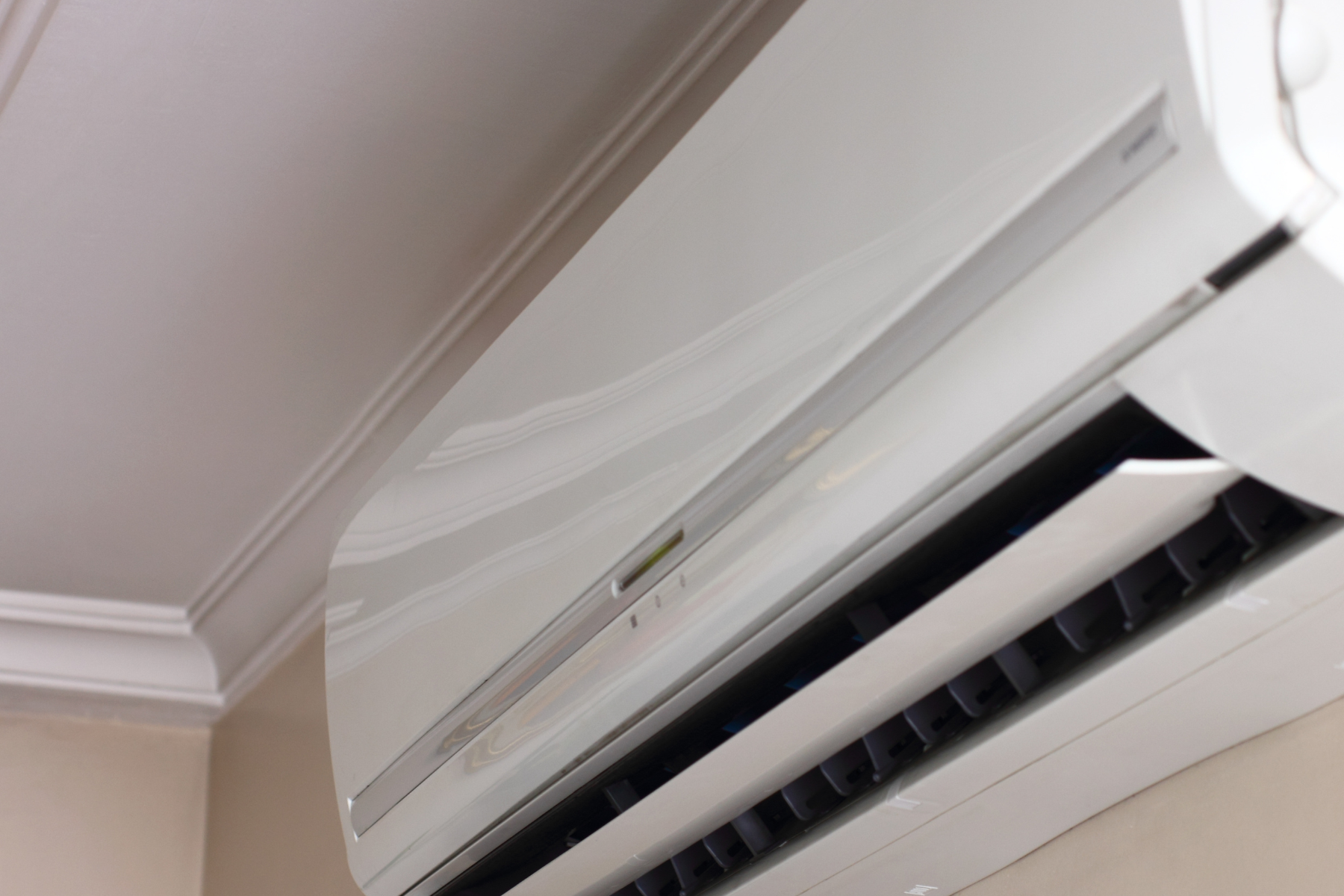
Instead of pushing air through ducts, mini splits deliver conditioned air directly into the room through wall-mounted, ceiling-mounted, or floor-mounted indoor units.
Many mini splits are also heat pumps, meaning they can provide both cooling in summer and heating in winter by reversing the refrigeration process.
Benefits of a Mini Split AC System
Mini splits offer several advantages that make them appealing to certain homeowners.
1. No Ductwork Required
For homes without existing ductwork, installing central air can be invasive and costly. Mini splits eliminate the need for ducts, making them ideal for:
- Older homes
- Historic properties
- Additions or renovations
- Converted garages or basements
Because they don’t rely on ducts, mini splits also avoid duct-related energy losses.
2. Zoned Comfort Control
Each indoor unit operates independently, allowing you to control temperatures room by room. This zoning capability offers flexibility that central systems may not provide.
For example:
- Bedrooms can be set cooler at night
- Unused rooms can be set higher to conserve energy
- Home offices can maintain customized comfort
Zoned control allows homeowners to tailor comfort to their daily routines.
3. Flexible Installation Options
Indoor units come in various styles, including:
- Wall-mounted units
- Ceiling cassette systems
- Floor-mounted units
This flexibility makes mini splits adaptable to different room layouts and design preferences.
4. Quiet Operation
Mini splits are generally designed for quiet performance. The compressor remains outside, and indoor units are engineered to minimize noise.
For homeowners sensitive to sound—such as in bedrooms or home offices—this can be a meaningful benefit.
5. Energy Efficiency Potential
Because mini splits cool specific zones rather than an entire home at once, they can reduce unnecessary cooling in unoccupied areas.
Additionally, eliminating duct losses may contribute to improved efficiency in homes with aging or poorly sealed duct systems.
Situations Where a Mini Split May Be a Good Fit
Mini splits are not one-size-fits-all solutions, but they are particularly well-suited for certain scenarios.
Home Additions
If you’ve added a room that isn’t connected to your existing HVAC system, extending ductwork may not always be practical. A mini split offers an independent cooling solution without overloading the main system.
Finished Basements or Attics
These areas often have unique temperature challenges. A mini split can provide dedicated climate control without major remodeling.
Older Homes Without Ducts
Installing ductwork in older homes can require opening walls and ceilings. Mini splits avoid that disruption.
Targeted Comfort Needs
If certain rooms are consistently warmer or cooler than others, a mini split can help balance comfort.
When a Mini Split May Not Be the Best Option
While mini splits offer flexibility, they may not be ideal for every home.
Whole-Home Cooling in Large Properties
Cooling a large home entirely with multiple indoor units may not always be the most streamlined solution compared to central air.
Aesthetic Preferences
Some homeowners prefer concealed duct systems and may not want visible indoor wall units.
 Electrical Capacity
Installing mini splits requires proper electrical capacity. A professional evaluation ensures your panel can support the system.
Installation Considerations
Professional installation is essential for mini split systems.
Proper installation includes:
- Evaluating electrical capacity
- Determining correct system size
- Placing indoor units for optimal airflow
- Installing refrigerant lines properly
- Ensuring secure mounting
Incorrect sizing or placement can reduce performance and comfort.
Maintenance and Longevity
Mini splits require routine maintenance, similar to other HVAC systems.
Maintenance includes:
- Cleaning or replacing filters
- Inspecting refrigerant lines
- Checking electrical connections
- Clearing condensate drains
Regular service supports long-term reliability and consistent performance.
The Importance of Professional Evaluation
Every home is different. Factors such as insulation, layout, window placement, and existing HVAC systems all influence whether a mini split is a good fit.
A professional evaluation can determine:
- Whether your home is a strong candidate
- How many indoor units are needed
- The best placement for optimal airflow
- Whether electrical upgrades are required
This step ensures your investment delivers the comfort you expect.
Mini Splits and Heating Capabilities
Many mini split systems function as heat pumps, offering both cooling and heating.
This dual-purpose design can be especially useful for:
- Mild climates
- Supplementing existing heating systems
- Providing targeted warmth in specific rooms
Discussing heating needs during evaluation ensures year-round comfort.
Long-Term Planning for Your Home
When choosing between mini splits and other HVAC options, consider your long-term plans:
- Are you remodeling?
- Planning future additions?
- Upgrading insulation?
- Seeking zoned control?
Your HVAC system should align with both current needs and future goals.
Is a Mini Split AC Right for You?
A mini split AC system can be an excellent solution for homes without ductwork, room additions, finished basements, or homeowners seeking zoned comfort. However, it’s not universally ideal for every layout or situation. The best way to determine fit is through professional consultation and system evaluation.
Schedule a Professional HVAC Consultation
If you’re considering a mini split AC system, the team at Stack Heating, Cooling, Plumbing, and Electric can help you evaluate your options. Our experienced professionals provide HVAC services designed to ensure safe installation, proper sizing, and reliable performance. Call (440) 937-9134 today.
Common FAQS About Mini Splits
-
What is a mini split AC system?
A mini split AC system is a ductless heating and cooling system that includes an outdoor unit and one or more indoor air-handling units connected by refrigerant lines.
-
Do mini split systems require ductwork?
No. Mini splits operate without ductwork, making them ideal for homes without existing ducts or for room additions.
-
Are mini-splits only for cooling?
Many mini split systems function as heat pumps, meaning they can provide both cooling in summer and heating in cooler months.
-
Are mini-splits good for whole-home cooling?
Mini splits can cool multiple rooms using multiple indoor units, but for large homes, a central air system may sometimes be more streamlined. A professional evaluation helps determine the best option.
-
Where are mini split indoor units installed?
Indoor units can be wall-mounted, ceiling-mounted, or floor-mounted depending on the layout and design of the space.
-
Are mini split systems energy efficient?
Mini splits can offer efficient cooling because they condition specific zones rather than the entire home and do not lose energy through ductwork.
-
Can a mini split be installed in a garage or basement?
Yes. Mini splits are often installed in garages, finished basements, attics, home additions, and other spaces without duct access.
-
Do mini splits require professional installation?
Yes. Proper sizing, electrical connections, refrigerant handling, and mounting must be completed by trained HVAC professionals.
-
How many indoor units do I need for a mini split system?
The number of indoor units depends on your home’s layout, square footage, and comfort goals. A professional assessment determines the correct configuration.
-
How do I know if a mini split is right for my home?
A licensed HVAC technician can evaluate your home’s structure, insulation, electrical capacity, and comfort needs to determine whether a mini split is a good fit.

Stack Heating, Cooling, Plumbing & Electric has been serving Northeast Ohio since 1976. What began as a family business specializing in steam and hot-water heating has grown into a trusted provider of complete home comfort solutions, including HVAC, plumbing, and electrical services. With decades of expertise and a commitment to quality, Stack is dedicated to keeping local homes safe, efficient, and comfortable year-round.
