 Skip to content


Electric vehicles are becoming a more common sight in residential neighborhoods, and with that shift comes an important question for homeowners: how do you safely and reliably charge an EV at home? While public charging stations exist, many EV owners quickly discover that home charging offers unmatched convenience, predictability, and control.
Installing a home EV charger is not as simple as plugging in a new appliance. It involves electrical capacity planning, safety considerations, code compliance, and long-term reliability. Professional installation ensures that your home’s electrical system can support EV charging safely—now and in the future.
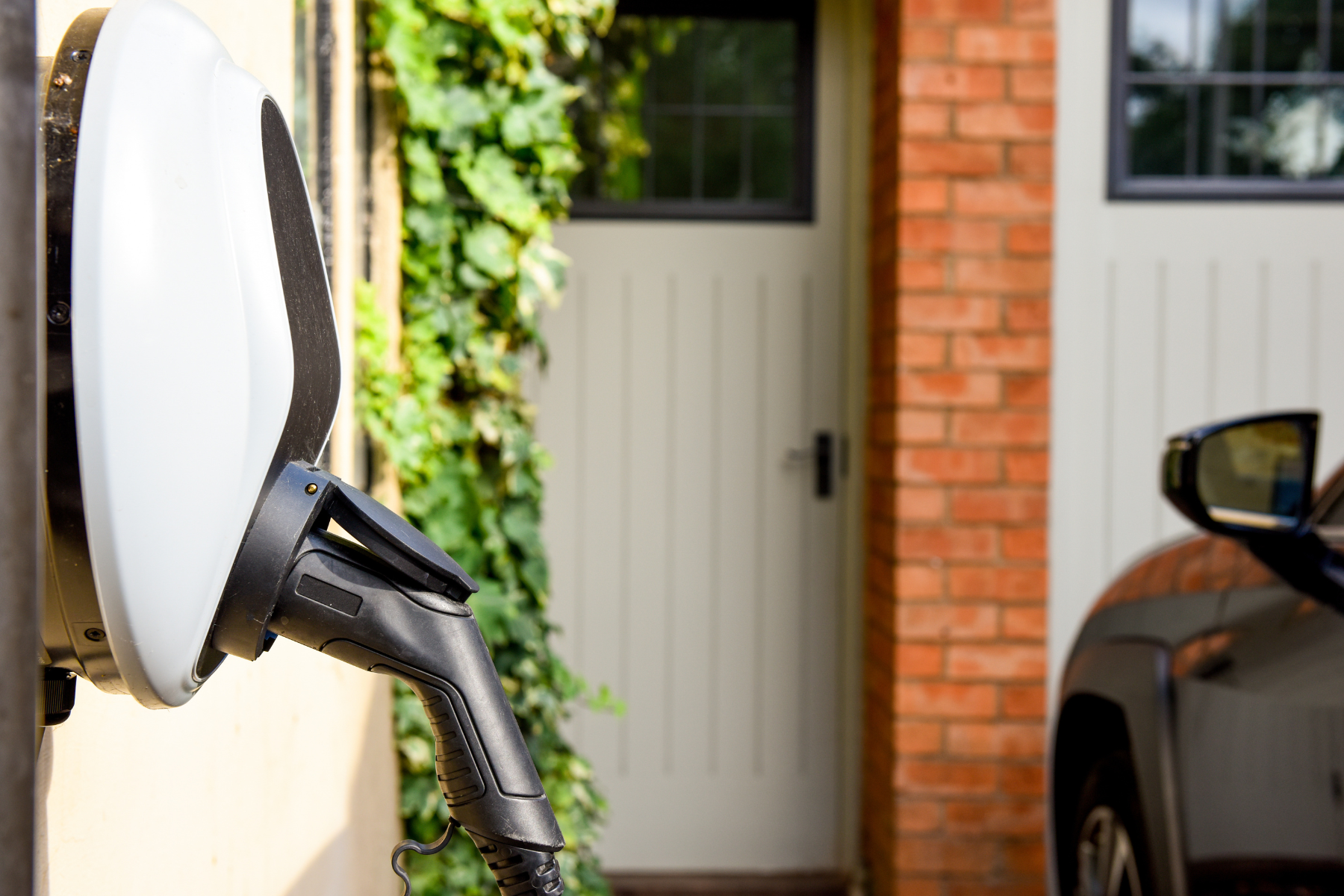 Why More Homeowners Are Installing EV Chargers
Electric vehicles rely on consistent access to charging. While standard wall outlets can provide power, many homeowners choose dedicated EV chargers for practical reasons.
Convenience and Reliability
Charging at home allows drivers to start each day with a charged vehicle. There’s no need to plan trips around public chargers or wait for availability.
Faster Charging
Dedicated EV chargers typically deliver power more efficiently than standard outlets, reducing charging time and improving daily usability.
Long-Term Home Readiness
As EV ownership continues to grow, homes equipped with proper charging infrastructure are better positioned for future needs.
Understanding Home EV Charger Basics
Before installing a charger, it’s helpful to understand the basic types of home charging options.
Level 1 Charging
Level 1 charging uses a standard household outlet. While it requires no installation changes, it delivers power slowly and may not meet the needs of many drivers.
Level 2 Charging
Level 2 chargers are designed for home installation and operate on higher voltage circuits. These chargers require electrical upgrades in many homes and must be installed correctly to ensure safety and performance.
Professional installation is especially important for Level 2 chargers due to their electrical demands.
Why Professional Installation Matters
Installing an EV charger involves more than mounting a unit on the wall. It requires evaluating your home’s electrical system and making sure everything operates within safe limits.
- Electrical Capacity Assessment
- Not all homes are immediately ready to support EV charging. A professional electrician evaluates your electrical panel, available capacity, and overall system condition before installation.
- Circuit and Panel Upgrades
- Some homes may require:
- Dedicated circuits
- Breaker upgrades
- Electrical panel improvements
- Professional assessment ensures upgrades are handled correctly and safely.
- Code Compliance and Safety
- EV charger installations must meet local electrical codes and safety standards. Professional installers ensure compliance, reducing the risk of hazards and inspection issues.
- Manufacturer Requirements
Many EV chargers require professional installation to maintain warranty coverage. Improper installation can void manufacturer protections.
Common Electrical Considerations for EV Charger Installation
Every home is different, but several key electrical factors are reviewed during professional installation.
Electrical Panel Condition
Older or undersized panels may not support additional electrical load. A professional can determine whether upgrades are needed.
Load Balancing
EV chargers add ongoing electrical demand. Proper load balancing helps prevent overloading circuits and protects household systems.
Grounding and Wiring
Correct grounding and appropriate wiring materials are essential for safe EV charging. Professionals ensure connections are secure and rated for the intended load.
Distance from Panel to Charger
The physical distance between the electrical panel and charger location affects installation complexity and material requirements.
Choosing the Right Location for Your EV Charger
Where your EV charger is installed matters just as much as how it’s installed.
Garage Installations
Garages are common installation locations due to protection from weather and easy access to vehicles.
Outdoor Installations
Outdoor-rated chargers can be installed near driveways or parking areas. These require weather-resistant materials and proper sealing.
Accessibility and Convenience
Professional installers help determine a location that balances convenience, safety, and electrical efficiency.
Safety Risks of DIY EV Charger Installation
While some homeowners consider installing EV chargers themselves, this approach carries risks.
Electrical Overload
Incorrect wiring or undersized circuits can overload your electrical system, increasing the risk of breaker trips or damage.
Fire Hazards
Improper connections or inadequate materials can lead to overheating and fire risk.
Hidden Issues
Without professional evaluation, underlying electrical problems may go unnoticed until a failure occurs.
Insurance and Liability Concerns
Improper installations can complicate insurance claims if electrical damage occurs.
Professional installation minimizes these risks by addressing both visible and hidden concerns.
Long-Term Benefits of Professional EV Charger Installation
Professional installation isn’t just about getting power to your vehicle—it’s about protecting your home long-term.
- System Reliability
A properly installed charger delivers consistent performance without disrupting other household systems.
- Reduced Maintenance Issues
Correct installation helps prevent wear on wiring, breakers, and panels over time.
- Home Value and Appeal
Homes equipped with professionally installed EV chargers may appeal to future buyers who own or plan to own electric vehicles.
- Peace of Mind
Knowing your charger is installed correctly allows you to charge confidently without worrying about safety or system strain.
Integrating EV Charging with Other Home Systems
EV chargers are part of your home’s overall electrical ecosystem. Professional installers consider how charging interacts with other systems.
HVAC Systems
Heating and cooling equipment already place significant demand on electrical systems. Proper planning ensures EV charging doesn’t interfere with HVAC operation.
Appliances and Smart Devices
Homes with smart technology and high electrical usage benefit from coordinated load management.
Surge Protection
Electrical surges can damage chargers and vehicles. Whole-home surge protection may be recommended as part of installation planning.
Planning Ahead for Future Needs
Even if your current EV charging needs are modest, planning ahead offers long-term advantages.
Future Vehicle Changes
As vehicle technology evolves, charging requirements may increase. Professional installation can accommodate future upgrades.
Additional EVs
Households with multiple EVs may need expanded charging capacity later.
Smart Charging Capabilities
Some chargers integrate with home energy systems, scheduling charging during off-peak hours. Proper installation supports these features.
What to Expect During Professional Installation
A professional EV charger installation typically includes:
- Electrical system evaluation
- Load and capacity assessment
- Panel or circuit upgrades if needed
- Charger mounting and wiring
- Safety testing and verification
- Guidance on charger operation and care
The goal is not just functionality, but safe, long-lasting performance.
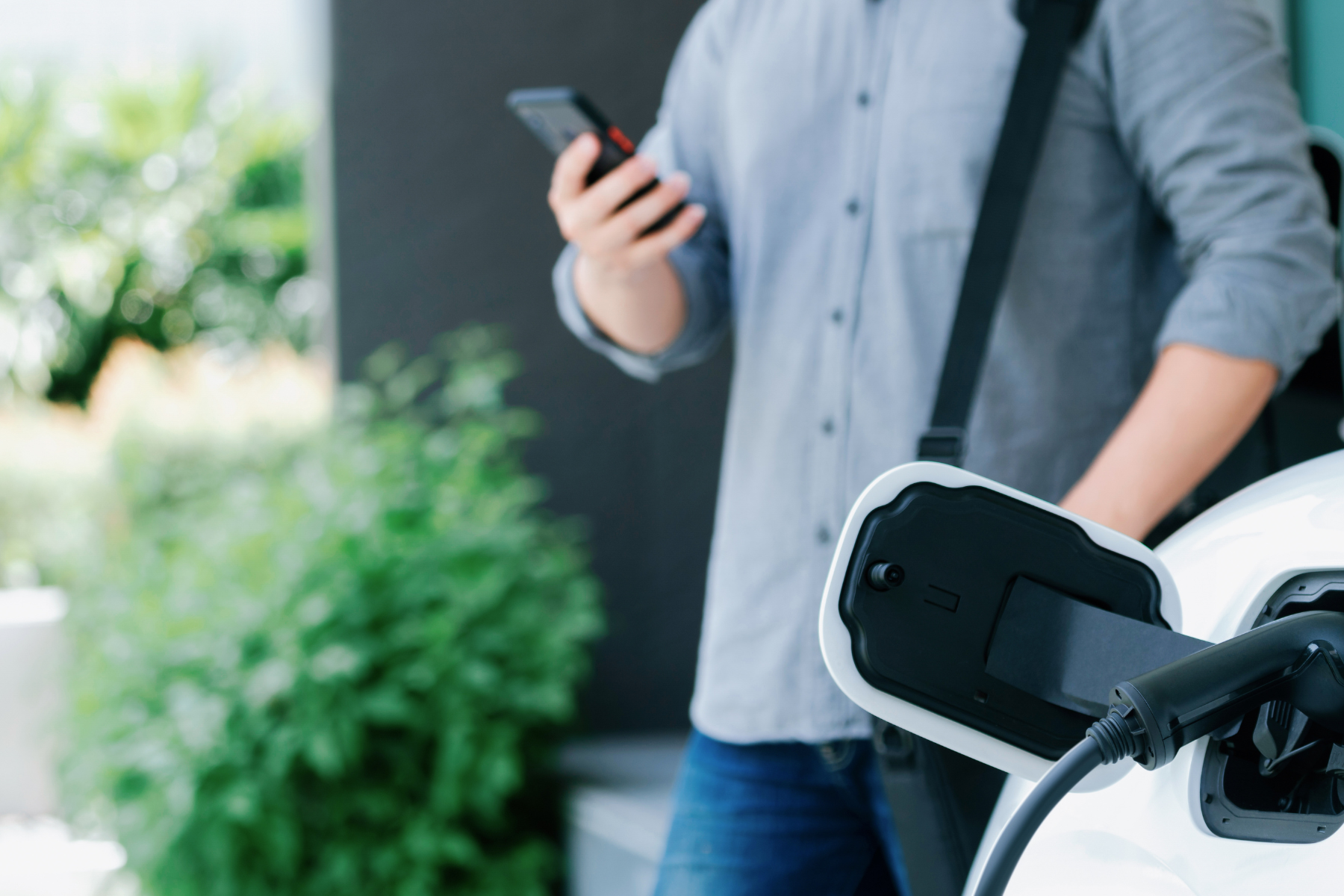 Why Spring and Summer Are Popular Installation Times
Many homeowners schedule EV charger installation during warmer months when electrical upgrades are easier to complete and schedules are more flexible. Planning ahead helps avoid delays and ensures your system is ready when you need it.
Schedule Professional EV Charger Installation Today
If you’re considering a home EV charger, Stack Heating, Cooling, Plumbing, and Electric offers professional electrical services designed to support safe and reliable installation. Our experienced team can evaluate your home, recommend the right solutions, and install your EV charger with safety and performance in mind. Contact us at (440) 937-9134
Common FAQS About Professional EV Charger Installation
1. Why should I consider installing an EV charger at home?
A home EV charger provides convenience, reliability, and consistent access to charging without relying on public stations. It allows you to charge your vehicle where you park it most.
2. What’s the difference between a standard outlet and a home EV charger?
A standard outlet provides slower charging, while a dedicated EV charger delivers higher power and faster charging. Dedicated chargers also require proper electrical installation to operate safely.
3. Do I need an electrical upgrade to install a home EV charger?
Some homes may need electrical upgrades such as a dedicated circuit or panel improvements. A professional evaluation determines whether your existing system can support EV charging.
4. Why is professional EV charger installation important?
Professional installation ensures the charger is wired correctly, safely integrated with your electrical system, and compliant with local electrical codes.
5. Can EV chargers overload a home’s electrical system?
If not installed properly, EV chargers can place strain on electrical systems. Professional installers assess capacity and load to prevent overloading and system issues.
6. Where can a home EV charger be installed?
EV chargers can be installed in garages or outdoors near parking areas. The location must support safe wiring, accessibility, and proper protection from weather when installed outside.
7. Is it safe to install an EV charger myself?
EV charger installation involves high-voltage electrical work. DIY installation can create safety hazards and may not meet code requirements, making professional installation the safer option.
8. Will professional installation help protect my EV charger warranty?
Many charger manufacturers require professional installation to maintain warranty coverage. Improper installation can void manufacturer protections.
9. Can EV chargers be integrated with other home systems?
Yes. EV chargers can be installed alongside HVAC systems, appliances, and smart home technology when electrical capacity is properly managed.
10. When is the best time to install a home EV charger?
Any time you own an electric vehicle is a good time, but scheduling installation before increased driving seasons or vehicle delivery helps ensure your home is ready when needed.

Stack Heating, Cooling, Plumbing & Electric has been serving Northeast Ohio since 1976. What began as a family business specializing in steam and hot-water heating has grown into a trusted provider of complete home comfort solutions, including HVAC, plumbing, and electrical services. With decades of expertise and a commitment to quality, Stack is dedicated to keeping local homes safe, efficient, and comfortable year-round.
