 Skip to content


By the time February rolls around in Cleveland, most homeowners are ready to see winter fade in the rearview mirror. The promise of longer days, milder temperatures, and a break from constant snow shoveling is enough to make anyone optimistic. But your furnace may not be sharing your enthusiasm. After months of running almost nonstop to combat the lake-effect cold, your heating system is more stressed now than at any other point in the season.
Late winter—especially February and early March—is a critical time for your furnace. Any strange noises, performance issues, or signs of strain are often warnings that the system is reaching its breaking point. While it may be tempting to shrug off these issues now that the coldest weeks of winter are behind you, ignoring them can lead to much larger and more expensive problems by the time next heating season arrives.
For Cleveland homes that endure long, punishing winters year after year, late winter furnace repair isn’t just convenient—it’s smart, strategic, and financially beneficial. Here’s why February 2026 may be the best time to schedule furnace repair before your system goes dormant for the summer, and why calling on Stack Heating, Cooling, Plumbing & Electric is one of the most reliable decisions a homeowner can make.
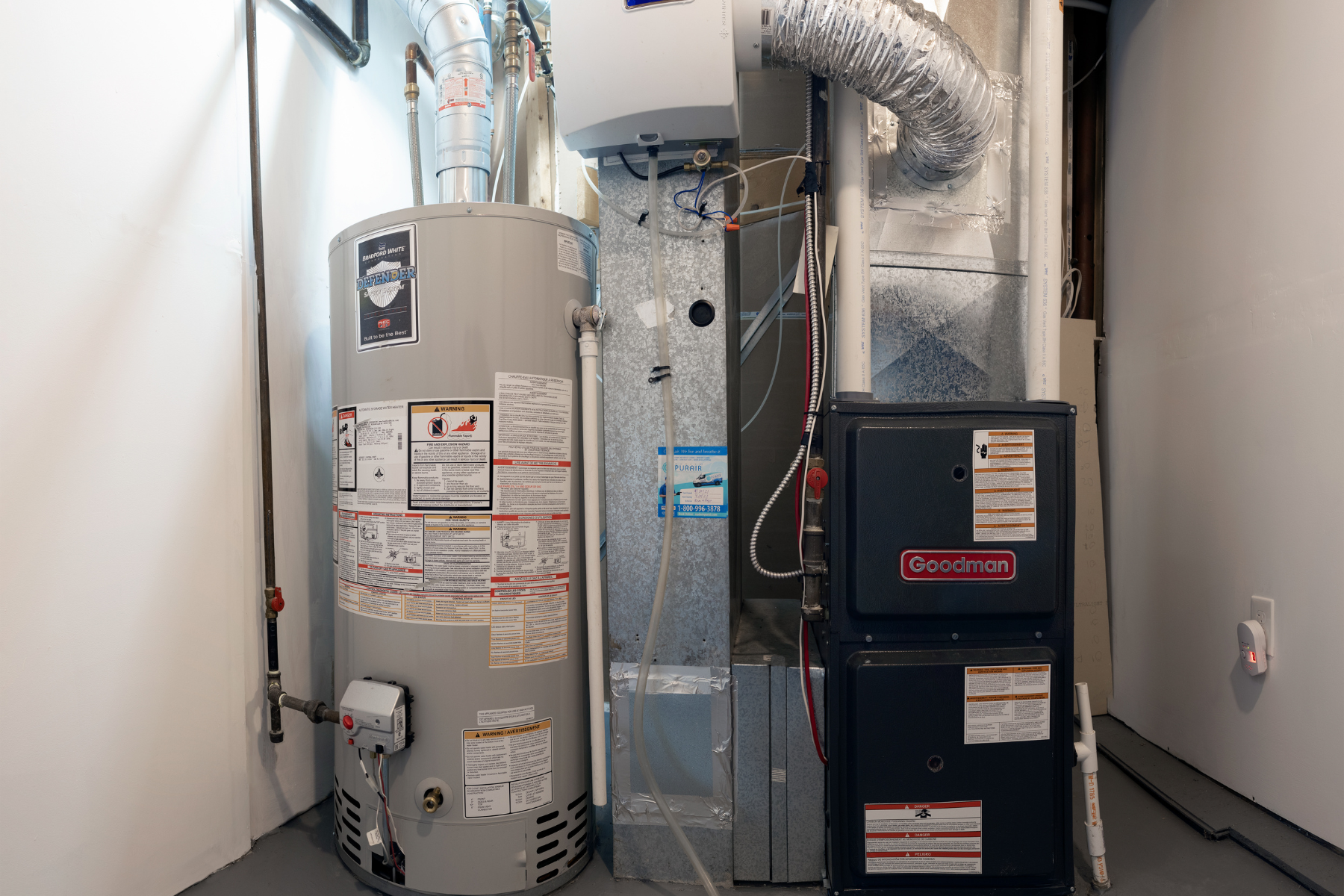 Your Furnace Has Reached Peak Wear by Late Winter
Cleveland winters are famously demanding. From December through early February, furnaces in Northeast Ohio work harder than in many other parts of the country. Long stretches of subzero wind chills, frequent snowstorms, and rapid temperature swings put enormous strain on heating equipment.
By February, your furnace has likely been operating at elevated intensity for several months. Even small internal issues that began in early winter—such as a weakening blower motor, a dirty burner, or a developing crack in the heat exchanger—tend to worsen as the season goes on.
Many homeowners mistakenly believe that because furnace issues didn’t cause a full breakdown during the coldest months, the system must be fine. In reality, late-winter performance problems often signal approaching failure. Issues that begin as subtle sounds or slight performance drops can escalate into major repairs if left unaddressed. This is why dependable professionals like Stack Heating, Cooling, Plumbing & Electric are so valuable for early diagnostics and repair.
Strange Noises Indicate Serious Mechanical Stress
Unusual furnace noises are one of the clearest signs that something inside the system needs professional attention. In late winter, these sounds often become more pronounced because components that have been under heavy strain for months are finally starting to wear out or operate outside of normal tolerances.
Some of the noises homeowners commonly hear include:
Banging or booming
This can indicate delayed ignition, fuel buildup on the burners, or expansion issues within aging ductwork. In some cases, loud booming noises point to conditions that can worsen quickly if not inspected by a trained professional.
Squealing or screeching
Often caused by a worn blower motor belt or mounting issues within the motor assembly, this sound frequently appears after months of continuous operation.
Grinding or rumbling
These tend to signal internal motor problems, failing bearings, or other mechanical breakdowns that require immediate evaluation.
Whistling or high-pitched airflow noises
These sounds can indicate air movement restrictions, blower problems, or issues within the duct system.
Noises are communication. A healthy furnace does not typically call attention to itself. By February, if your furnace has suddenly become louder or more dramatic, it’s rarely a minor issue. Addressing the noise promptly with help from Stack Heating, Cooling, Plumbing & Electric reduces the risk of sudden failure during a cold snap or an unpleasant surprise when the furnace is turned back on next fall.
Late Winter Repairs Prevent Early Winter Emergencies
One of the biggest advantages of addressing furnace issues in February or March is simple: you’re avoiding peak-season emergency repair situations later.
Many homeowners wait until October or November to think about their furnace again. That’s often when problems reveal themselves—usually the moment the system is turned on for the first time after sitting idle for months.
If an issue that existed in February goes unrepaired, it may worsen during the off-season. Corrosion can develop, parts can seize, and minor stress points can turn into major damage. When the first cold front of November 2026 arrives and thousands of homes power up their heating systems at the same time, HVAC companies experience a surge in calls. Unfortunately, that often leads to delays.
By repairing your furnace at the end of the heating season, you avoid:
- Long wait times during fall rush
- Emergency rates or after-hours charges
- The risk of being without heat on the first cold day
- Last-minute scrambling to schedule service
Instead, you can enter the 2026–2027 heating season confident that your system is already in top condition and ready to handle Cleveland’s unpredictable autumn weather. Partnering with Stack Heating, Cooling, Plumbing & Electric ensures your furnace receives the detailed attention it needs before demand spikes again.
Repairing Now Helps Lower Energy Bills
A furnace that’s straining, damaged, or running inefficiently often shows its condition in your utility bills. February and March are months when Cleveland homeowners commonly notice increased heating costs, even if the outside temperature isn’t as severe as earlier in the winter.
Late-winter furnace repairs can help restore efficiency by correcting issues such as:
- Improper combustion
- Airflow blockages
- Failing blower components
- Inaccurate thermostat readings
- Dirty or misaligned burners
- Worn electrical parts
Addressing these problems now ensures that your furnace finishes the season operating efficiently. And just as importantly, it reduces the chances of entering next fall with a system that’s already compromised. Stack Heating, Cooling, Plumbing & Electric can evaluate your system’s performance and identify the repairs needed to help lower monthly heating costs.
A Post-Season Inspection Is the Perfect Transition Into Spring
Once the furnace stops running regularly, months of inactivity can cause issues of their own. Moisture in basements, corrosion on idle components, and dust accumulation can all affect furnace performance when the system is fired up again.
A professional post-season inspection ensures the furnace is shut down properly and that any problems are dealt with before they worsen. Late winter and early spring inspections typically include:
- Evaluation of heat exchanger condition
- Blower motor and assembly check
- Burner and ignition system inspection
- Voltage and amperage checks
- Gas pressure verification
- Safety control testing
- Airflow assessment
- System cleaning and performance measurement
This sets the stage for a smooth transition from heating season to cooling season and ensures your furnace begins fall in the best condition possible. A trusted team like Stack Heating, Cooling, Plumbing & Electric provides thorough inspections that keep your home safe and prepared year-round.
You Avoid the “Out of Sight, Out of Mind” Trap
As soon as temperatures warm up, furnace problems quickly fade from focus. Homeowners shift their attention to air conditioning, outdoor projects, and spring maintenance tasks. But furnace issues never resolve on their own. They persist quietly until the furnace is needed again—and by that time, the damage is often worse.
Late winter is the ideal time to act because:
- The problems are fresh and noticeable
- The system is still accessible for testing under real conditions
- Repairs can be completed well before next season
- You avoid the risk of forgetting about the issue entirely
Taking action now makes next winter easier, safer, and more predictable. With Stack Heating, Cooling, Plumbing & Electric, you can schedule repairs while the furnace is still in active use, ensuring the most accurate diagnostics.
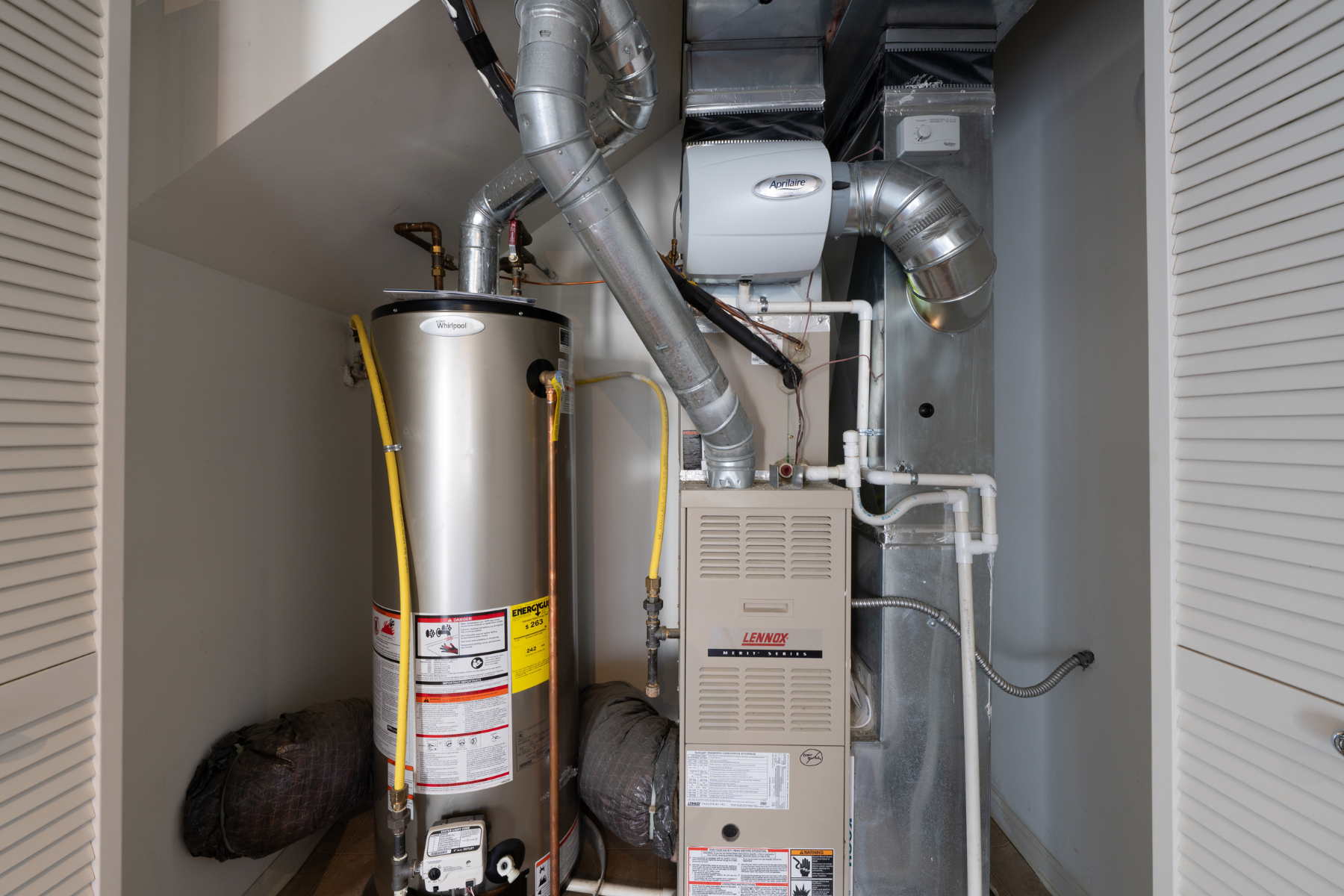 Safety Concerns Can Become More Serious if Ignored
Even small furnace malfunctions can contribute to safety hazards. Problems with combustion, ventilation, or heat exchanger integrity often arise late in the heating season. While a system may still be producing heat, it might not be operating safely.
A professional technician can assess issues such as:
- Carbon monoxide risks
- Heat exchanger deterioration
- Faulty safety shutoff mechanisms
- Improper venting
- Electrical irregularities
Ensuring your furnace remains safe is one of the most important reasons to schedule repairs promptly—especially as a long heating season comes to an end. Stack Heating, Cooling, Plumbing & Electric prioritizes safety in every repair and inspection, giving homeowners peace of mind.
Prepare Your Home for the 2026–2027 Winter Now
Your furnace has been working hard for months. By giving it the attention it needs now, you protect your comfort, safety, and investment for years to come. For expert furnace repair, seasonal maintenance, and dependable service across Northeast Ohio, contact Stack Heating, Cooling, Plumbing & Electric.
10 FAQs About Late Winter Furnace Repair
1. Why is late winter considered the best time for furnace repair?
Late winter is when furnaces have worked their hardest and are showing the most wear. Scheduling repairs in February or March helps address issues before they worsen during the off-season and ensures your system is ready for the next heating season.
2. Are furnace noises in late winter normal?
No. While some minor sound variations can occur, banging, rattling, whistling, squealing, or grinding are not normal and often indicate mechanical stress, airflow problems, or failing components that require professional attention.
3. What types of furnace noises should I be most concerned about?
Banging, booming, grinding, and high-pitched squealing often signal serious issues such as ignition problems, motor failure, or worn mechanical parts. These should be evaluated by a licensed technician as soon as possible.
4. Can a furnace develop new problems even after making it through the coldest months?
Absolutely. Many components are more prone to failure after prolonged heavy use. Issues that begin in December often become noticeable—or severe—by February or March.
5. Will repairing my furnace in late winter help lower energy bills?
Yes. A furnace that’s struggling or running inefficiently consumes more energy. Repairing worn parts, fixing airflow issues, and correcting combustion problems can help reduce utility costs.
6. What does a late-winter or post-season furnace inspection include?
A professional inspection typically includes evaluating the heat exchanger, checking blower components, inspecting burners and ignition systems, verifying electrical and gas connections, testing safety controls, and measuring airflow and overall performance.
7. Why shouldn’t I wait until fall to fix furnace issues?
Waiting until fall often leads to long wait times because HVAC companies experience heavy service demand when temperatures first drop. Issues can also worsen during months of inactivity, leading to more expensive repairs.
8. Are furnace noises dangerous?
Some noises can indicate safety risks, such as improper combustion, ventilation issues, or potential carbon monoxide concerns. Strange sounds should never be ignored and must be evaluated by a qualified technician.
9. How do late-winter furnace repairs improve system reliability for next season?
Repairing the furnace now prevents small issues from becoming major failures, ensures the system is shut down properly, and gives technicians time to correct problems before the next heating season begins.
10. Who should I call for professional furnace repair in Cleveland?
Cleveland homeowners trust Stack Heating, Cooling, Plumbing & Electric for expert late-winter furnace repair, inspections, and maintenance.

Stack Heating, Cooling, Plumbing & Electric has been serving Northeast Ohio since 1976. What began as a family business specializing in steam and hot-water heating has grown into a trusted provider of complete home comfort solutions, including HVAC, plumbing, and electrical services. With decades of expertise and a commitment to quality, Stack is dedicated to keeping local homes safe, efficient, and comfortable year-round.
