 Skip to content


When an air conditioner is running, most homeowners focus on temperature and airflow. But behind the scenes, your AC system is also managing moisture. Every time your air conditioner cools the air, it removes humidity—and that moisture has to go somewhere. That’s the job of the AC drain line.
When the drain line becomes clogged, problems can develop quickly. From water leaks and system shutdowns to humidity issues and hidden damage, a blocked drain line is a small issue that can cause big headaches if ignored.
Understanding what causes AC drain line clogs, how they’re fixed, and how to prevent them long-term can help protect your system and your home.
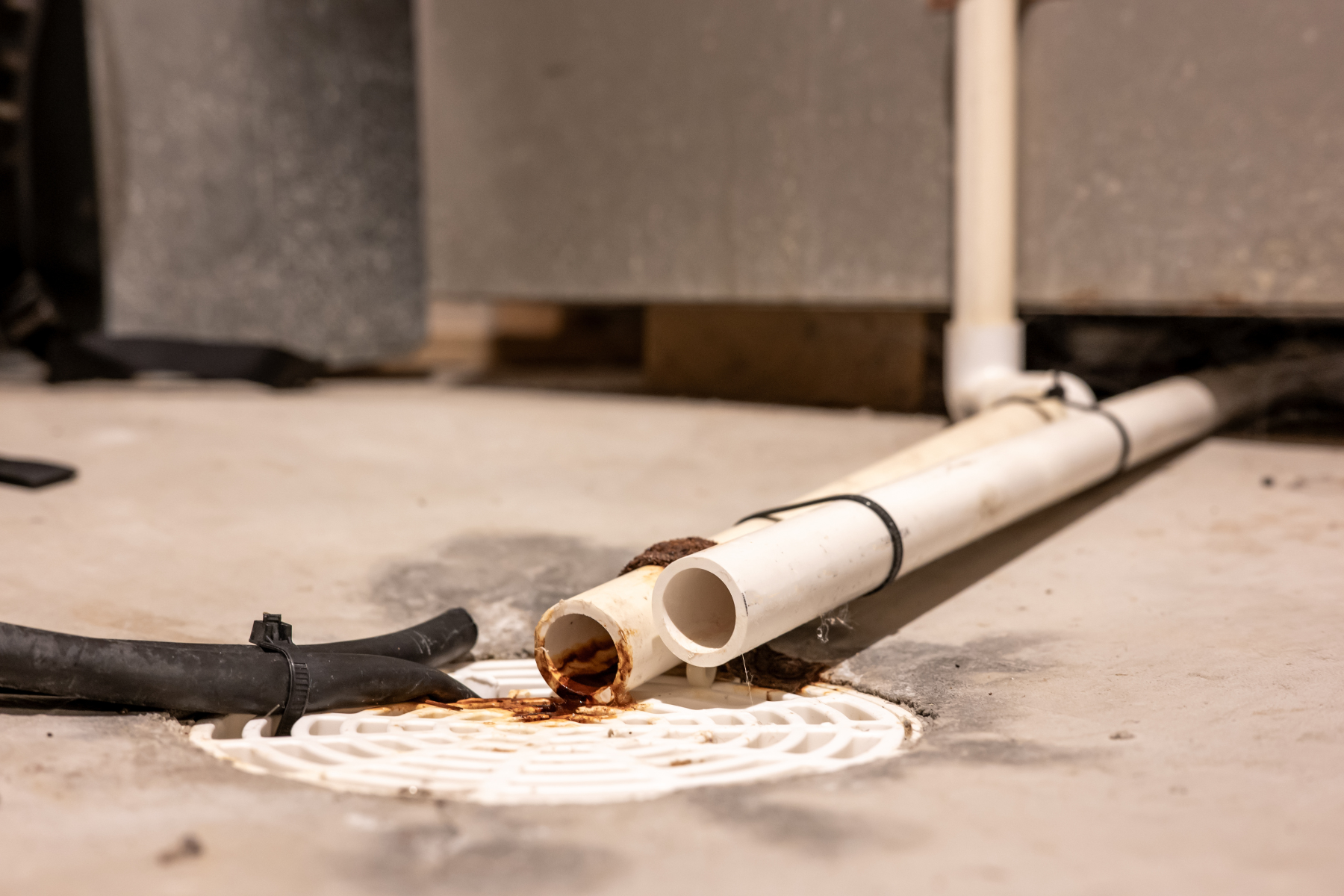 What Is an AC Drain Line and Why Does It Matter?
Your air conditioner removes heat and moisture from indoor air as it cools. The moisture condenses on the evaporator coil and drips into a drain pan. From there, it flows out of your home through the condensate drain line.
The drain line’s job is simple but critical:
- Carry condensation safely away from the system
- Prevent water buildup inside the unit
- Protect surrounding areas from moisture damage
When the drain line works properly, you rarely notice it. When it doesn’t, the effects can be immediate.
Common Signs of a Clogged AC Drain Line
AC drain line clogs don’t always announce themselves loudly, but there are common warning signs homeowners should watch for.
Water Leaks Around the Indoor Unit
One of the most noticeable signs is water pooling near the air handler or furnace. When the drain line is blocked, condensation has nowhere to go.
AC System Shutting Off
Many modern systems include a safety switch that shuts the unit down when water backs up. This prevents overflow but also stops cooling.
Musty or Damp Odors
Standing water in the drain pan or line can create unpleasant smells that circulate through the home.
Higher Indoor Humidity
If moisture isn’t draining properly, humidity levels inside the home may feel higher even when the AC is running.
Visible Algae or Debris in the Drain Line
In some cases, homeowners may see buildup at the drain line opening or termination point.
What Causes AC Drain Line Clogs?
Drain line clogs develop gradually. Several common factors contribute to blockages over time.
Dirt and Dust Buildup
Even with air filters in place, small amounts of dust and debris can reach the evaporator coil. When moisture mixes with that debris, it can wash into the drain line and begin to accumulate.
Over time, this buildup narrows the line and slows drainage until a full blockage occurs.
Algae and Biological Growth
The AC drain line is dark, damp, and warm during cooling season—conditions that encourage biological growth. Algae, mold, and bacteria can grow inside the line, creating a slimy blockage.
This is one of the most common causes of recurring clogs.
Improper Drain Line Installation
If a drain line wasn’t installed with the correct slope or routing, water may not flow freely. Standing water inside the line increases the likelihood of buildup and blockage.
Poor installation can also make the line harder to clean or maintain.
Cracked or Damaged Drain Lines
Over time, drain lines can crack, sag, or separate. These issues can slow drainage or allow debris to collect at connection points.
Damage may not be visible without professional inspection.
Neglected Maintenance
AC drain lines require routine attention, especially in humid climates or homes where the system runs frequently. Without regular maintenance, small issues can grow unnoticed.
Why a Clogged Drain Line Is More Than an Inconvenience
A clogged drain line isn’t just a nuisance—it can create secondary problems that affect your home and HVAC system.
Water Damage
Overflowing condensate can damage flooring, drywall, insulation, and nearby components.
System Downtime
Safety shutoffs may stop the AC entirely until the issue is resolved, leaving your home without cooling.
Increased Wear on Equipment
Excess moisture inside the unit can affect components and reduce system reliability over time.
Indoor Air Quality Concerns
Standing water can contribute to odors and unwanted microbial growth inside the system.
Addressing clogs promptly helps prevent these complications.
How AC Drain Line Clogs Are Fixed
The correct fix depends on the severity of the blockage and the condition of the drain line. Professional HVAC technicians use several methods to safely restore proper drainage.
Clearing the Blockage
Technicians may use:
- Specialized vacuum equipment
- Pressurized air or nitrogen
- Mechanical cleaning tools
- These methods remove buildup without damaging the line.
- Flushing the Drain Line
After clearing the clog, the line is often flushed to remove residual debris and verify proper flow. This helps reduce the chance of immediate re-clogging.
Inspecting the Drain Pan and Safety Switch
The drain pan is inspected for damage or standing water. If a safety switch triggered a shutdown, it’s tested to ensure it’s functioning properly.
Checking Installation and Drainage Slope
If clogs are recurring, technicians may evaluate the drain line’s slope, routing, and connections to ensure proper drainage.
Repairing or Replacing Damaged Sections
Cracked or sagging drain lines may need repair or replacement to prevent future issues.
Why DIY Drain Line Fixes Can Be Risky
Some homeowners attempt to clear drain lines themselves using household tools or chemicals. While minor surface clogs may seem easy to handle, DIY fixes carry risks.
Potential issues include:
- Pushing debris deeper into the line
- Cracking or disconnecting drain piping
- Using chemicals that damage components
- Missing underlying installation or damage issues
Professional service ensures the blockage is fully resolved and prevents accidental damage.
Long-Term Prevention: Keeping the Drain Line Clear
Preventing clogs is far easier than dealing with water damage or system shutdowns. Long-term prevention focuses on routine care and professional maintenance.
Schedule Regular AC Maintenance
Routine HVAC maintenance includes drain line inspection and cleaning. This helps catch buildup before it becomes a blockage.
Annual or seasonal service is especially important before peak cooling season.
Change Air Filters Regularly
Clean air filters reduce the amount of dust and debris that can reach the evaporator coil and drain system.
Following manufacturer recommendations for filter replacement helps protect multiple system components.
Keep the Area Around the Air Handler Clean
Dust and debris near the indoor unit can find their way into the system. Keeping the area clean supports proper operation.
Address Small Issues Early
Unusual odors, minor leaks, or inconsistent cooling may signal early drain line issues. Addressing them promptly can prevent larger problems.
Professional Drain Line Treatments
During maintenance visits, professionals may recommend drain line treatments designed to discourage biological growth. These are applied carefully and safely as part of system care.
How Drain Line Health Affects Overall HVAC Performance
The AC drain line may seem like a minor component, but it plays a role in system efficiency and reliability.
A properly draining system:
- Manages humidity effectively
- Avoids unnecessary shutdowns
- Reduces moisture-related wear
- Supports consistent cooling
Neglecting drain line health can undermine even a well-maintained AC system.
 When to Call a Professional
You should contact a professional HVAC provider if:
- Water is leaking from your indoor unit
- Your AC shuts off unexpectedly
- You notice persistent musty odors
- Drain line clogs keep returning
- You’re unsure whether the issue is resolved
Professional service ensures the root cause is identified—not just the symptoms.
Schedule HVAC Service with Stack Heating, Cooling, Plumbing, and Electric
If you’re dealing with a clogged AC drain line—or want to prevent one—Stack Heating, Cooling, Plumbing, and Electric is here to help. Our experienced technicians provide professional HVAC services designed to protect your system, your home, and your comfort. Contact us at (440) 937-9134.
Common FAQs About AC Drain Lines
1. What does the AC drain line do?
The AC drain line carries condensation away from the indoor unit. As your system removes humidity from the air, the drain line safely routes that moisture out of your home.
2. What are the most common signs of a clogged AC drain line?
Common signs include water leaking near the indoor unit, the AC shutting off unexpectedly, musty odors, or higher indoor humidity while the system is running.
3. What causes an AC drain line to clog?
Clogs are typically caused by dust, dirt, algae, or biological growth inside the line. Improper installation or lack of routine maintenance can also contribute.
4. Can a clogged drain line cause my AC to stop working?
Yes. Many systems have a safety switch that shuts the AC off when water backs up to prevent overflow and water damage.
5. Is a clogged drain line an emergency?
It can become urgent if water is leaking or the system shuts down. Ignoring the issue may lead to water damage or additional HVAC problems.
6. Can I clear an AC drain line myself?
Some surface clogs may seem accessible, but DIY attempts can push debris deeper, damage the line, or miss underlying issues. Professional service is the safest option.
7. How do professionals clear clogged AC drain lines?
Technicians use specialized tools such as vacuums, pressurized air, and flushing methods to remove buildup safely and restore proper drainage.
8. How often should the AC drain line be cleaned?
Drain lines are typically checked and cleaned during routine HVAC maintenance, often once a year or before peak cooling season.
9. How can I prevent future AC drain line clogs?
Regular maintenance, timely air filter changes, keeping the area around the air handler clean, and addressing minor issues early all help prevent clogs.
10. When should I call a professional for a drain line issue?
You should call a professional if you see water leaks, notice recurring clogs, smell musty odors, or if your AC shuts off unexpectedly.

Stack Heating, Cooling, Plumbing & Electric has been serving Northeast Ohio since 1976. What began as a family business specializing in steam and hot-water heating has grown into a trusted provider of complete home comfort solutions, including HVAC, plumbing, and electrical services. With decades of expertise and a commitment to quality, Stack is dedicated to keeping local homes safe, efficient, and comfortable year-round.
